Baked Ziti Recipe is the kind of dinner I turn to when I want something comforting, a little dramatic, and reliably crowd-pleasing. I first learned this version from a neighbor who taught me that good timing and creamy ricotta make all the difference. The balance of bright tomato, browned sausage, and molten cheese makes the Baked Ziti Recipe worth the few extra steps. Over the years I’ve tweaked the assembly and timing so the middle is never weepy and the top gets that perfect golden crown.
How This Dish Found Its Way to My Weeknight Rotation
The first time I made this Baked Ziti Recipe for friends, the house hummed with the smell of garlic and tomato for hours. I remember stirring the sauce while rain tapped the windows, the warm scent wrapping the kitchen like a blanket. When I pulled the bubbling casserole from the oven, everyone paused mid-conversation, as if the steam itself had declared dinner ready. The ricotta layer, whipped smooth with egg and Parmesan, felt indulgent and a little cheeky; it cut the acidity of the tomatoes and made each slice feel like a small celebration. That night I learned how easy it is to make a casual evening feel special, simply by letting a good recipe do the heavy lifting. Friends still ask for the leftovers, and the dish has become my unofficial hospitality trick for cozy gatherings.
Primary Ingredients and What They Do
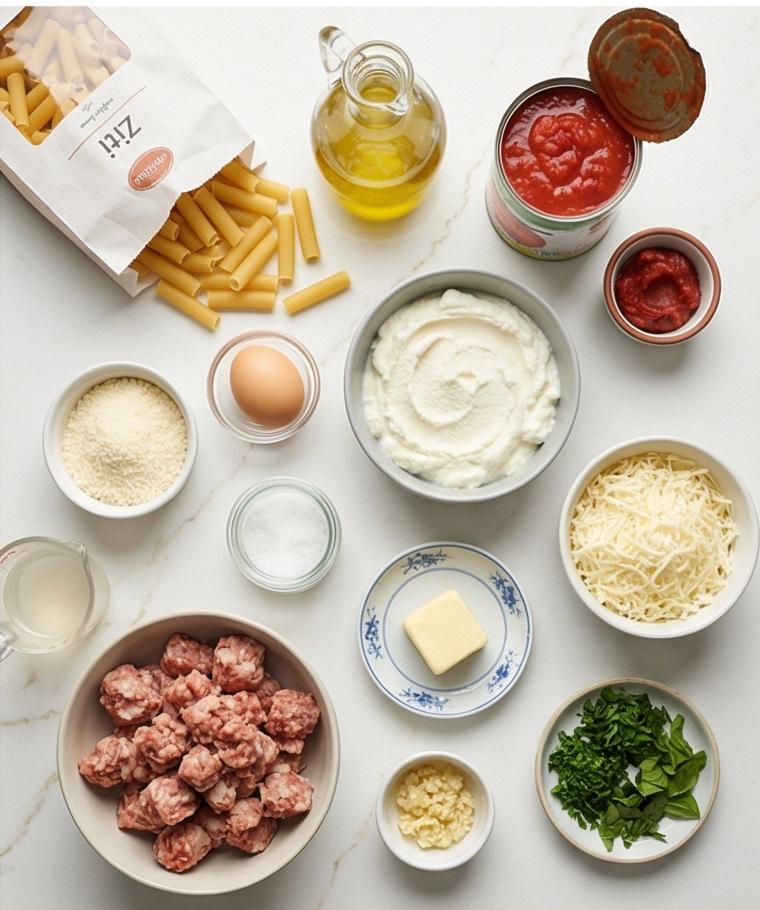
- Ziti pasta: The tubes carry sauce into the center; substitute penne or rigatoni if needed and look for bronze-cut shapes for rougher texture.
- Italian sausage: Adds savory, spiced depth; swap ground beef or turkey for a milder profile and brown well for flavor.
- Crushed tomatoes: The saucy backbone; San Marzano or a high-quality crushed tomato gives a brighter, cleaner tomato flavor.
- Ricotta cheese: Creates a creamy, cooling layer; use whole-milk ricotta and drain excess liquid if overly wet.
- Mozzarella and Parmesan: Mozzarella gives stretch, Parmesan adds umami; fresh-grated cheese melts more evenly.
- Onion, garlic, olive oil, tomato paste: Build the aromatic base and concentrated tomato note; sweat the onion and toast the paste for best flavor.
Essential Kitchen Tools and Why They Matter
A few reliable tools make this Baked Ziti Recipe fuss-free and more predictable. A large pot is essential for boiling pasta without sticking; a wide mouth and plenty of water keep the tubes separate. A heavy skillet holds steady heat for browning sausage without burning the aromatics. You will want a roomy mixing bowl to combine pasta and sauce without smashing the tubes. A 9×13-inch baking dish gives classic layered edges and even baking; if you use a different size, watch bake time. Finally, a good spatula and a sharp grater help with assembly and finishing.
- Large stockpot: For rolling, well-salted pasta water.
- Heavy skillet: For building the meat-tomato sauce.
- Large mixing bowl: To toss pasta with sauce and cheeses.
- 9×13-inch baking dish: For even layering and baking.
- Spatula and cheese grater: For gentle folding and fresh-grated cheese.
Step-by-Step Preparation Guide.
Step 1: Preheat and prepare the baking dish
Preheat the oven to 375°F (190°C), then lightly grease a 9×13-inch (23×33 cm) rectangular baking dish with the room-temperature unsalted butter so the surface is satin and imperceptibly slick. This simple step sets the stage: the butter is just enough to give the final crust a gentle release and a faint golden edge. Keep the prepared pan on the quartz surface, ready and waiting.
Step 2: Cook, drain, and rest the pasta
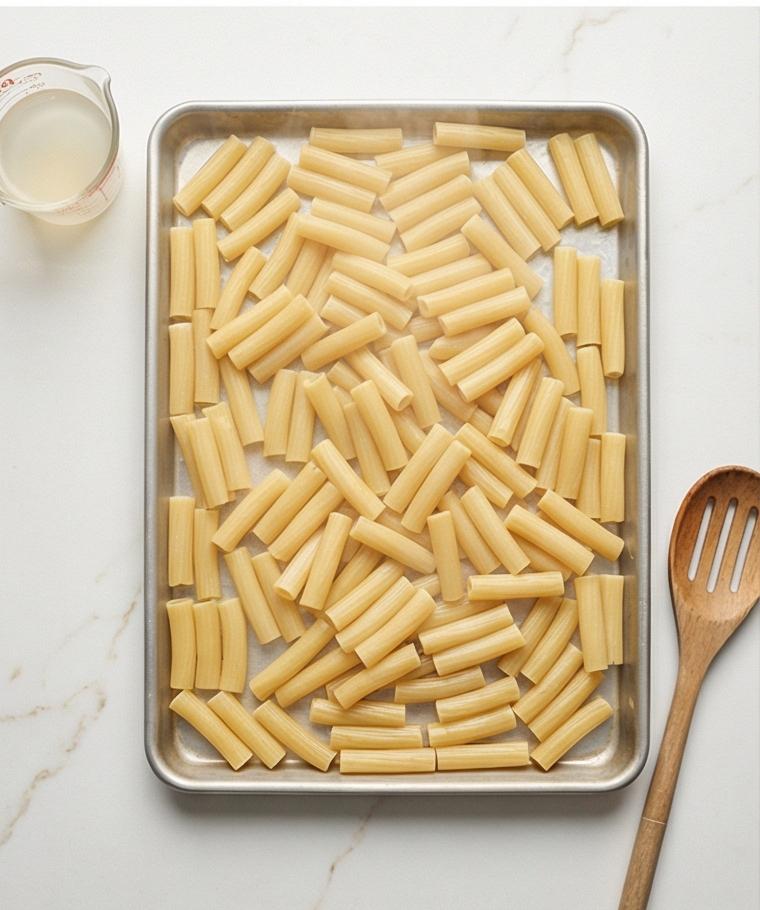
Bring a large pot of heavily salted water to a rolling boil and cook the ziti until very al dente—tender at the edges but still firm in the center—then reserve 1/2 cup of the starchy cooking water and drain. Spread the drained ziti out on a shallow metal baking sheet so the tubes cool slightly and do not clump; this keeps the pasta separate and porous so sauce clings to the edges. Set the reserved pasta water in a small glass measure nearby for adjusting sauce viscosity later.
Step 3: Build the meat-tomato sauce until rich and glossy
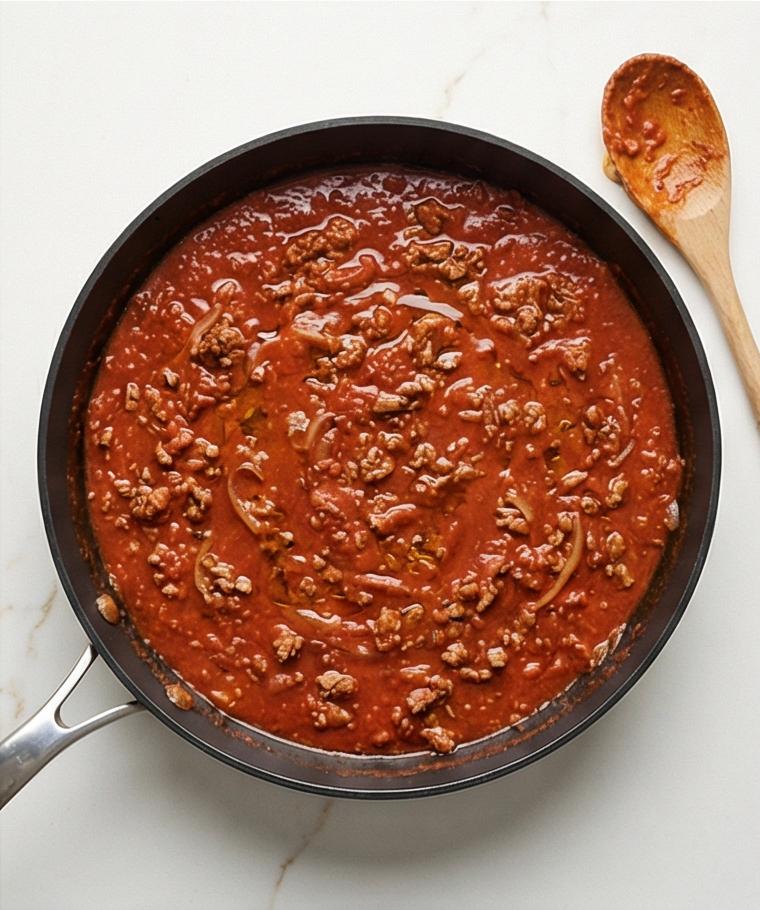
Heat extra-virgin olive oil and sweat the finely chopped onion until translucent with soft golden edges, add garlic for only a few seconds until fragrant, then brown the removed-casing Italian sausage, breaking it into small crumbles. Stir in tomato paste until it darkens and coats the meat, then add crushed tomatoes, water, dried herbs, sugar, salt and pepper and simmer gently until the sauce is slightly reduced, glossy, and richly flavored—thick enough to cling to the pasta but still spoonable. Keep a wooden spoon resting on the pan rim; if the sauce tightens too much, a splash of the reserved pasta water loosens it back to a saucy sheen.
Step 4: Whip the ricotta filling to a silky, spreadable texture
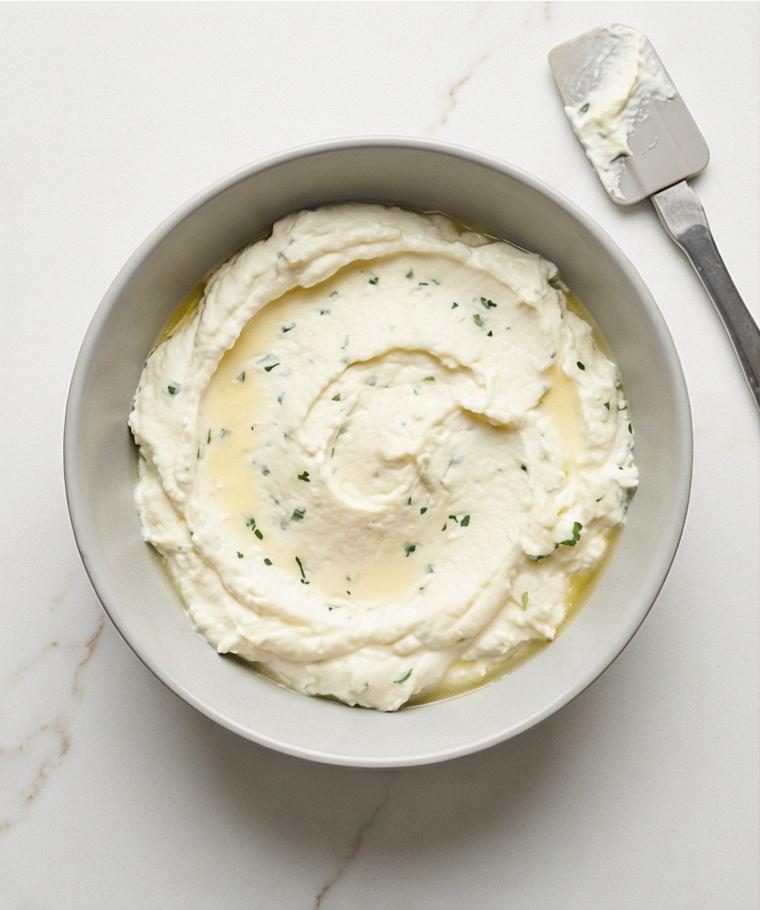
In a medium matte grey ceramic bowl combine whole-milk ricotta, the room-temperature egg, grated Parmesan, chopped parsley, salt and pepper, mixing until completely smooth and uniform with no visible egg streaks. The mixture should be thick, creamy, and spreadable—almost like a dense whipped cream—so it will hold distinct dollops between pasta layers. Rest the spatula in the bowl, showing a glossy ridge of ricotta that captures light.
Step 5: Toss pasta with sauce, fold in cheeses, and assemble the layered casserole
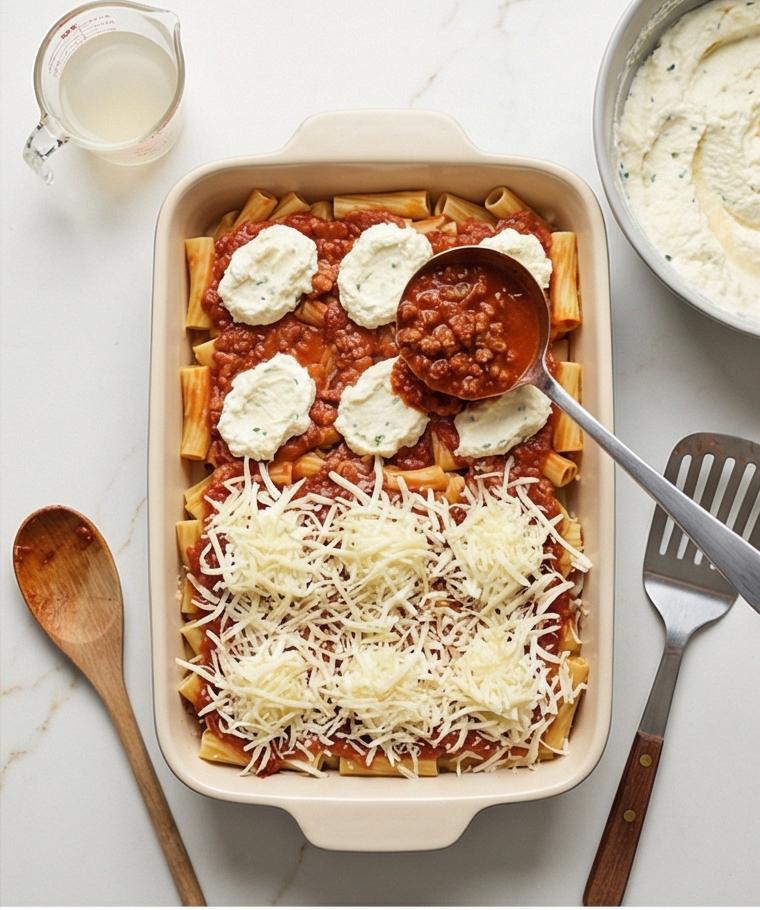
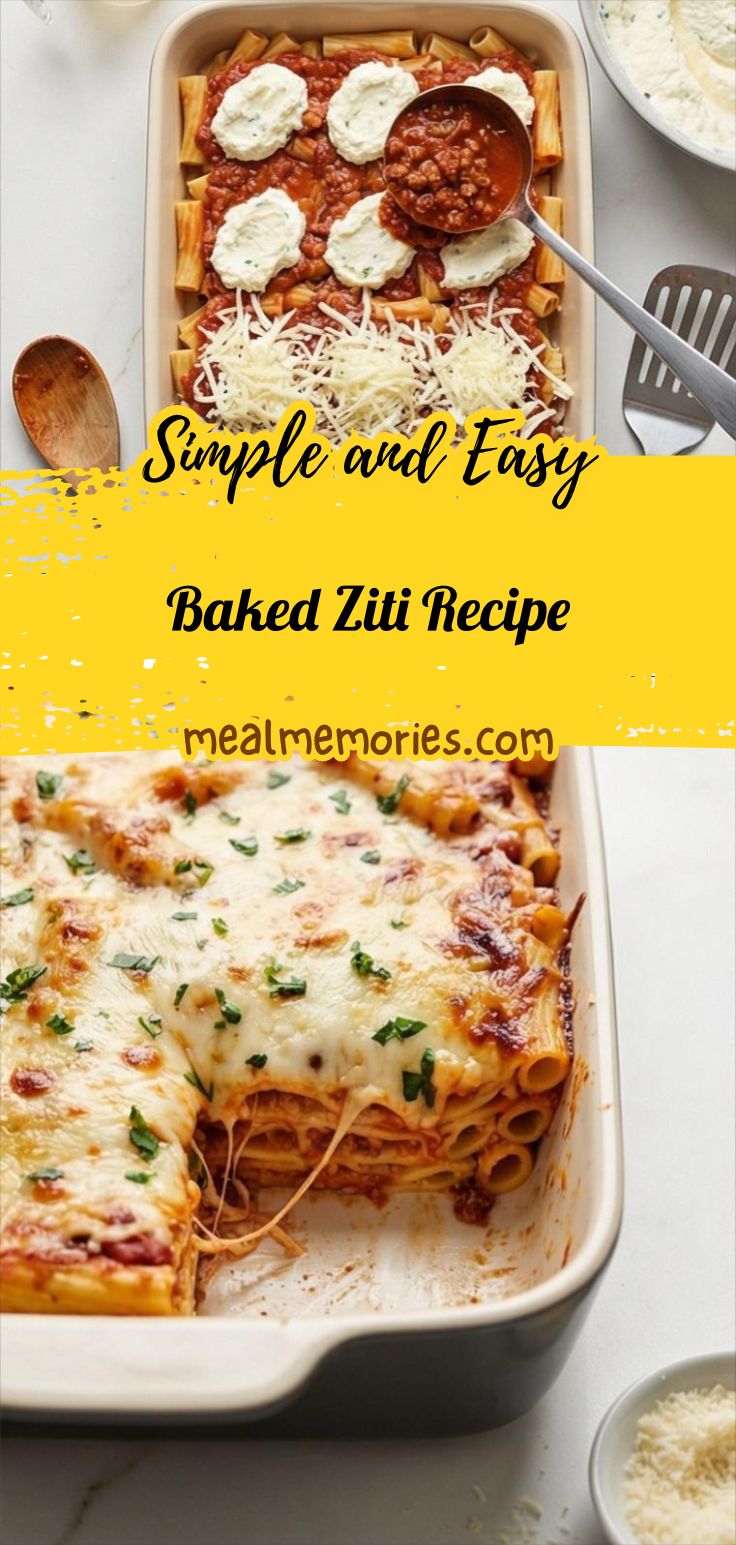
In a very large mixing bowl gently combine the drained ziti with about three cups of the meat sauce so each tube is evenly coated, then fold in one cup of shredded mozzarella and a quarter-cup of grated Parmesan so there are viscous strings and small pockets of melting cheese throughout. Spread half of this sauced pasta evenly into the buttered rectangular baking dish, dollop the entire ricotta mixture across the surface and gently spread into a rustic even layer, spoon half the remaining meat sauce over the ricotta, sprinkle half the remaining mozzarella and Parmesan, then top with the rest of the sauced pasta and the final layer of sauce and cheeses. If edges look dry, drizzle 2–3 tablespoons of the reserved pasta water around the sides to create steam during baking.
Step 6: Bake until bubbling, rest, garnish, and serve
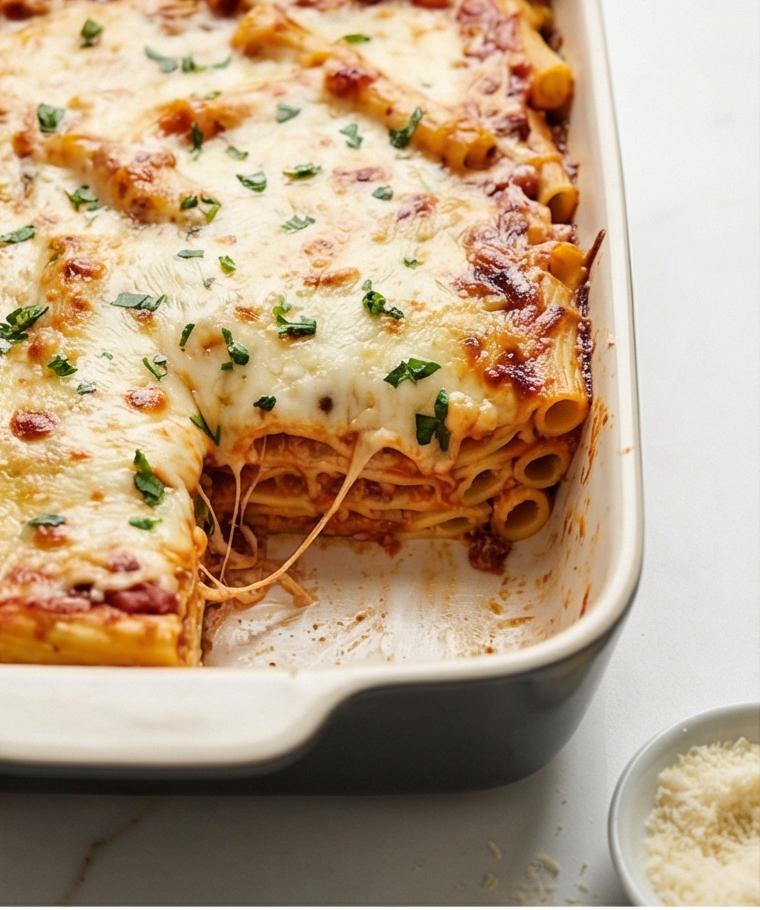
Cover the assembled casserole loosely with foil and bake until the sauce bubbles at the edges, then remove the foil and continue baking until the top is fully melted and golden-browned in spots with glossy, blistered cheese. Let the dish rest for 10–15 minutes to set the layers, then finish with a scattering of finely chopped fresh basil or parsley and a crack of black pepper. Cut into neat rectangular squares and lift out with a wide spatula—each piece should show sealed layers, a moist interior, a golden, slightly crisped cheese crown, and steam that carries the scent of tomatoes, herbs, and browned sausage.
Making It Your Own
I like to experiment with the Baked Ziti Recipe when seasons change. In spring I stir in wilted spinach or ramps for a bright lift, adding them to the sauce so they give color without too much moisture. For a vegetarian turn, I swap the sausage for roasted mushrooms and smoked paprika for depth. In winter I add a splash of cream to the ricotta for extra lushness, or swap sweet Italian sausage for spicy fennel sausage when I want more bite.
If you need to lighten it up, use part-skim ricotta and a mix of turkey sausage and mushrooms. If you want more herb flavor, fold finely chopped basil into the ricotta before assembling.
How to Serve
When I host, I bake the Baked Ziti Recipe about an hour before guests arrive so it rests and slices cleanly. For a casual family dinner, serve straight from the dish with big spoons and crusty bread. If I am hosting a sit-down dinner, I portion squares onto warm plates and finish with a drizzle of good olive oil and a few basil leaves for color.
To scale up, use two baking dishes or a larger pan and increase bake time by 10 to 15 minutes. For smaller crowds, a half recipe fits nicely into an 8×8-inch pan and bakes a bit faster. Pair with a crisp green salad and a bright vinaigrette to cut through the cheese.
Storage and Reheating Tips
Cool the leftovers to room temperature within an hour and cover tightly with foil or an airtight lid. Stored in the refrigerator, the baked ziti keeps well for 3 to 4 days. If you want to freeze portions, wrap individual squares in plastic wrap and place them in a freezer-safe container for up to 2 months.
To reheat, thaw overnight in the fridge if frozen. Warm single portions in the microwave in short bursts until heated through, or reheat larger pieces in a 350°F oven, covered with foil, for 15 to 25 minutes until warmed and bubbling. Remove the foil for the last 5 minutes to refresh the top.
Common Mistakes and How to Avoid Them
One frequent slip is overcooking the pasta. If the ziti is too soft before baking, the casserole can become mushy. Cook to very al dente and rinse briefly if the pasta is sticking. Another misstep is a watery ricotta. If your ricotta is loose, let it drain in a fine sieve or add a bit more grated Parmesan to help firm the mixture.
Another easy mistake is skimping on browning the sausage and toasting the tomato paste. That extra caramelization builds flavor you will notice in every bite. Finally, let the baked ziti rest before slicing; impatient serving will yield sloppy pieces that fall apart.
Final Thoughts
If you want a dependable comfort-dinner that still feels a little special, give this Baked Ziti Recipe a try. It rewards a bit of attention in the sauce and assembly with generous flavors and happy leftovers. Serve it when you want food that feels like a hug from the oven.
Frequently Asked Questions.
- What is the best pasta to use for baked ziti? I recommend ziti for its tube shape, but penne or rigatoni work well and will hold sauce the same way.
- Can I make the Baked Ziti Recipe ahead of time? Yes, assemble up to a day ahead, keep covered in the refrigerator, and bake when ready; add a few extra minutes if the dish is cold from the fridge.
- How do I prevent the casserole from becoming watery? Cook pasta to very al dente, drain well, and avoid overly wet ricotta; reserve pasta water only to adjust sauce consistency sparingly.
- Can I freeze baked ziti? Yes, freeze cooled portions in an airtight container for up to 2 months; thaw overnight and reheat in a 350°F oven until heated through.
- How can I make it spicier or milder? Adjust the sausage type or add crushed red pepper flakes for heat; use mild sausage or omit the flakes for a gentler flavor.
Baked Ziti Recipe
Make Baked Ziti Recipe: a hearty, cheesy casserole with sausage, ricotta, and golden-browned mozzarella.
Ingredients
Instructions
Step 1: Preheat and prepare the baking dish
Preheat the oven to 375°F (190°C), then lightly grease a 9x13-inch (23x33 cm) rectangular baking dish with the room-temperature unsalted butter so the surface is satin and imperceptibly slick. This simple step sets the stage: the butter is just enough to give the final crust a gentle release and a faint golden edge. Keep the prepared pan on the quartz surface, ready and waiting.
Step 2: Cook, drain, and rest the pasta
Bring a large pot of heavily salted water to a rolling boil and cook the ziti until very al dente—tender at the edges but still firm in the center—then reserve 1/2 cup of the starchy cooking water and drain. Spread the drained ziti out on a shallow metal baking sheet so the tubes cool slightly and do not clump; this keeps the pasta separate and porous so sauce clings to the edges. Set the reserved pasta water in a small glass measure nearby for adjusting sauce viscosity later.
Step 3: Build the meat-tomato sauce until rich and glossy
Heat extra-virgin olive oil and sweat the finely chopped onion until translucent with soft golden edges, add garlic for only a few seconds until fragrant, then brown the removed-casing Italian sausage, breaking it into small crumbles. Stir in tomato paste until it darkens and coats the meat, then add crushed tomatoes, water, dried herbs, sugar, salt and pepper and simmer gently until the sauce is slightly reduced, glossy, and richly flavored—thick enough to cling to the pasta but still spoonable. Keep a wooden spoon resting on the pan rim; if the sauce tightens too much, a splash of the reserved pasta water loosens it back to a saucy sheen.
Step 4: Whip the ricotta filling to a silky, spreadable texture
In a medium matte grey ceramic bowl combine whole-milk ricotta, the room-temperature egg, grated Parmesan, chopped parsley, salt and pepper, mixing until completely smooth and uniform with no visible egg streaks. The mixture should be thick, creamy, and spreadable—almost like a dense whipped cream—so it will hold distinct dollops between pasta layers. Rest the spatula in the bowl, showing a glossy ridge of ricotta that captures light.
Step 5: Toss pasta with sauce, fold in cheeses, and assemble the layered casserole
In a very large mixing bowl gently combine the drained ziti with about three cups of the meat sauce so each tube is evenly coated, then fold in one cup of shredded mozzarella and a quarter-cup of grated Parmesan so there are viscous strings and small pockets of melting cheese throughout. Spread half of this sauced pasta evenly into the buttered rectangular baking dish, dollop the entire ricotta mixture across the surface and gently spread into a rustic even layer, spoon half the remaining meat sauce over the ricotta, sprinkle half the remaining mozzarella and Parmesan, then top with the rest of the sauced pasta and the final layer of sauce and cheeses. If edges look dry, drizzle 2–3 tablespoons of the reserved pasta water around the sides to create steam during baking.
Step 6: Bake until bubbling, rest, garnish, and serve
Cover the assembled casserole loosely with foil and bake until the sauce bubbles at the edges, then remove the foil and continue baking until the top is fully melted and golden-browned in spots with glossy, blistered cheese. Let the dish rest for 10–15 minutes to set the layers, then finish with a scattering of finely chopped fresh basil or parsley and a crack of black pepper. Cut into neat rectangular squares and lift out with a wide spatula—each piece should show sealed layers, a moist interior, a golden, slightly crisped cheese crown, and steam that carries the scent of tomatoes, herbs, and browned sausage.
Notes
- Cook the ziti to very al dente to avoid a mushy casserole.
- Drain or press excess moisture from ricotta if it seems watery.
- Reserve a little pasta water to adjust sauce consistency as needed.
- Let the baked ziti rest 10 to 15 minutes before slicing for cleaner portions.
- For extra flavor, brown the tomato paste in the pan until it darkens before adding crushed tomatoes.