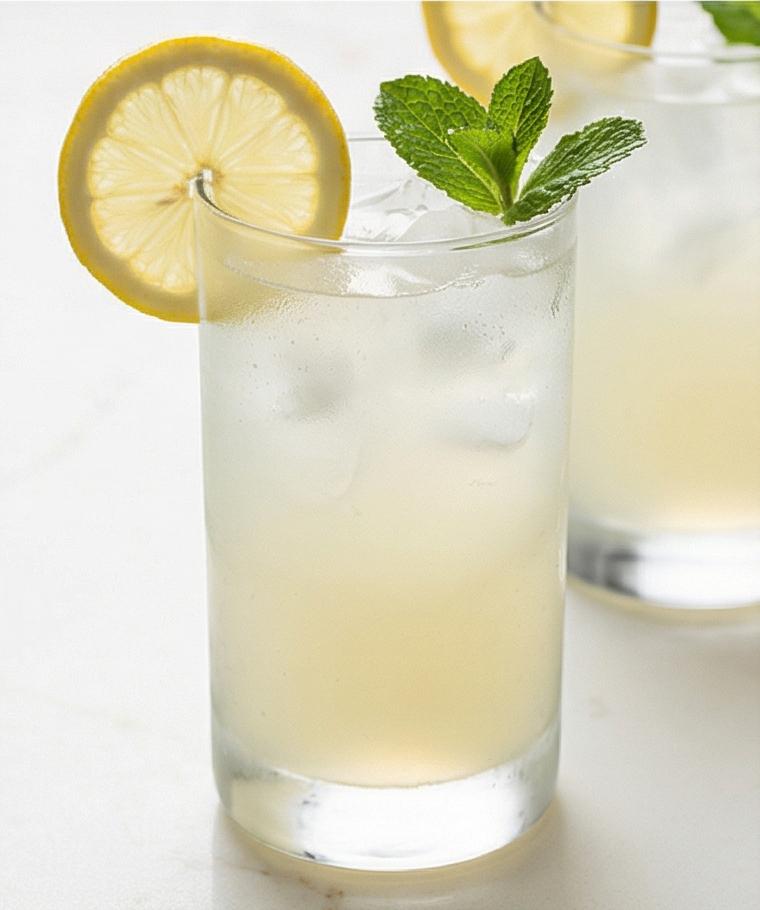
Sangria Recipe — a pitcher that I keep returning to whenever friends drop by, when the light is late and the kitchen smells like citrus and stone fruit. I first learned this Sangria Recipe from an old notebook where I’d scribbled ratios and tasting notes, and it feels like the right balance of sweet, tart, and boozy every time. It is an easy crowd-pleaser that plays well with improvisation, so you can swap fruit or spirits and still end up with something bright and memorable. Pouring a glass always feels like a small celebration, and that sense of ritual is why I make this Sangria Recipe often.
How This Pitcher Became a Summer Ritual
The first time I made this Sangria Recipe for company, the kitchen was chaotic in the best way: music on, windows open, a sticky countertop dotted with citrus peels. I can still see the sun passing over the rim of the pitcher as I stirred the sugar into fresh orange and lemon juice. The scent of brandy folding into the juice made everyone pause and breathe, and when the wine hit the mix and the fruit sunk into that ruby liquid, conversations slowed and smiles arrived. It was not perfect at first; I adjusted the sweetness a little, added a cinnamon stick because someone mentioned it, and we sipped while the evening cooled. That night taught me how simple technique and good fruit turn a recipe into company, and why I reach for this Sangria Recipe whenever I want an easy, shared moment.
Primary Ingredients and Why They Matter
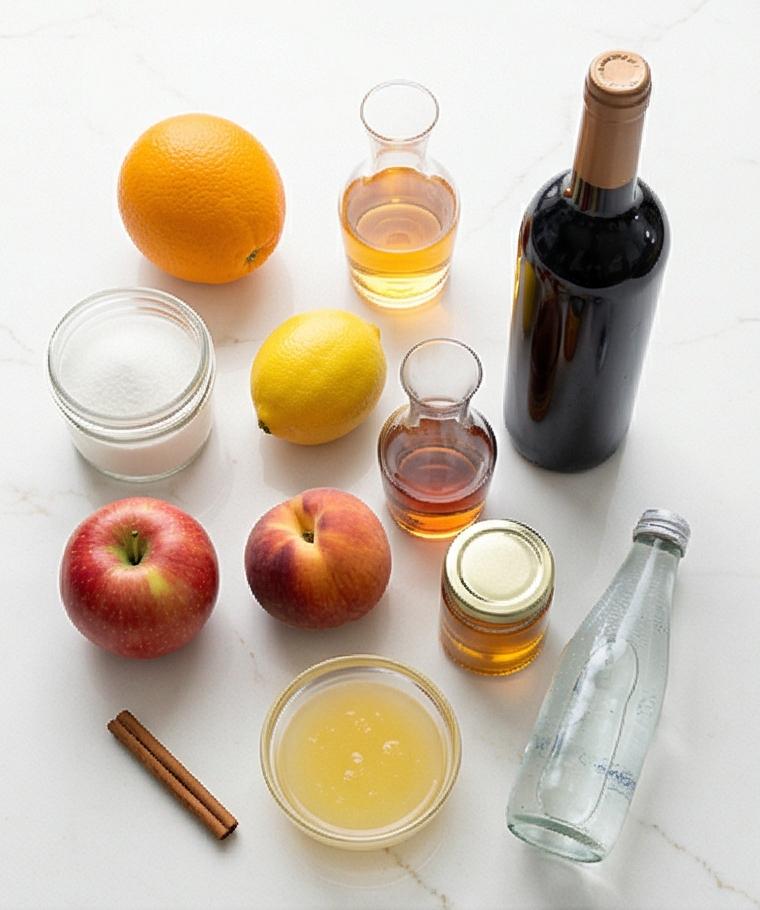
- Granulated Sugar: Balances the wine’s tannins and bright citrus. Substitute with simple syrup if you prefer instant dissolving, or reduce for a dryer finish. Pick fine sugar for faster integration.
- Orange and Lemon: Provide acidity and aromatic oils from the peel. Use ripe but firm fruit; Meyer lemons are a softer swap. Wash well and zest only if you like extra perfume.
- Orange Liqueur and Brandy: Add depth and warming notes. Triple sec or orange curaçao works in place of Cointreau. Use a decent brandy for roundness.
- Apple and Peach or Nectarine: Offer texture and sweet juiciness. Choose crisp apple varieties and firm but ripe stone fruit.
- Dry Spanish Red Wine: The backbone that carries everything. Rioja or Tempranillo are classic; use any medium-bodied dry red.
- Sparkling Water: Gives lift and light effervescence. Club soda is a fine substitute; add just before serving.
Essential Kitchen Tools and Why They Help
A few reliable tools make this Sangria Recipe faster and more satisfying. A sturdy glass pitcher lets you see the fruit suspend in the wine, which is helpful for presentation and for judging infusion. A long mixing spoon makes stirring and gentle muddling simple without bruising fruit too much. A citrus juicer or reamer speeds up extracting bright, clean juice and helps avoid seeds. A fine mesh strainer is handy if you prefer juice without stray pulp. If you want bubbles that last, chill the glassware ahead of time. Alternatives: use a large mason jar if you lack a pitcher, and a wooden spoon will do in place of a long metal one.
Step-by-Step Preparation Guide
Step 1: Prepare and transform the fruit
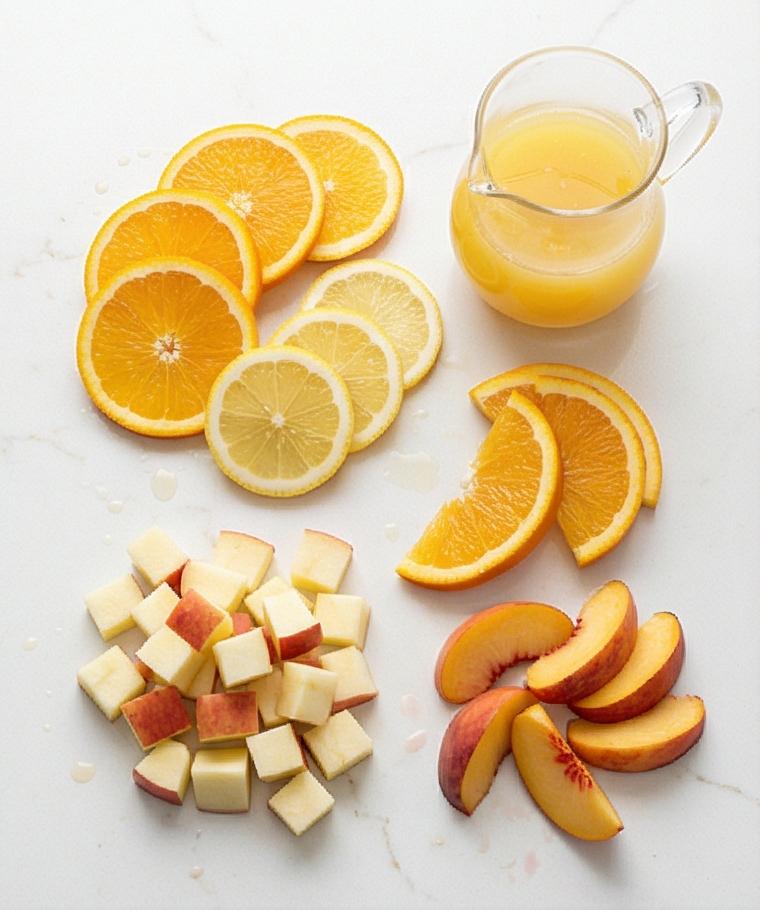
Rinse all fruit under cool running water and pat dry, then halve the orange and lemon. Juice one half of each into a small bowl, straining any seeds, and reserve the remaining halves to be cut into thin 1/4-inch (6 mm) rounds. Core the apple and cut it into 1/2-inch (1.25 cm) cubes; pit and cut the peach or nectarine into 1/2-inch wedges or cubes. Arrange the sliced citrus rounds and the cubed apple and peach on a clean cutting board and transfer the strained citrus juice into a small glass pitcher or bowl so it’s ready to dissolve sugar and marry with spirits. This step is all about bright, wet textures — the glossy citrus rinds, the translucent juice, the matte apple cubes and the soft, slightly fuzzy peach flesh, each prepared and resting on the Calacatta-like surface, ready for assembly.
Step 2: Build the citrus-sugar spirit base and dissolve
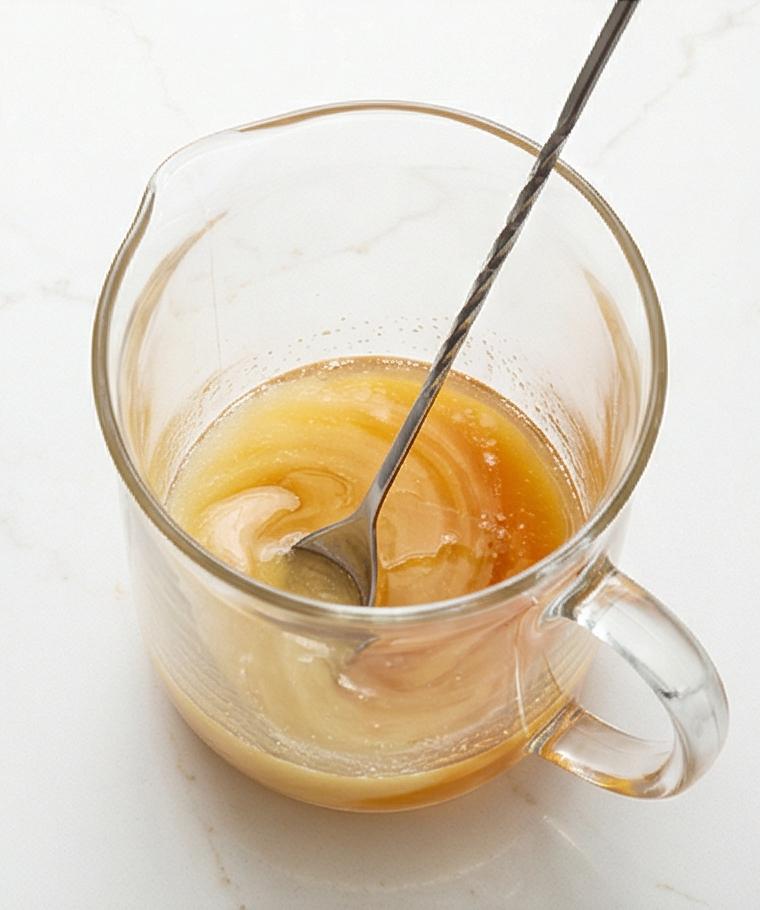
Place 1/4 cup granulated sugar into a large clear glass pitcher. Pour the freshly strained orange and lemon juices over the sugar, then add the orange liqueur and brandy. Using a long spoon, stir for 1–2 minutes until the sugar is mostly dissolved and the liquid takes on a slightly syrupy sheen. Photograph-ready details: the syrup clinging to the spoon, tiny juice droplets on the pitcher rim, and the way the pale gold of liqueur and amber of brandy swirl into the citrus — a glossy, viscous core that will season the wine.
Step 3: Add the cut fruit and lightly muddle
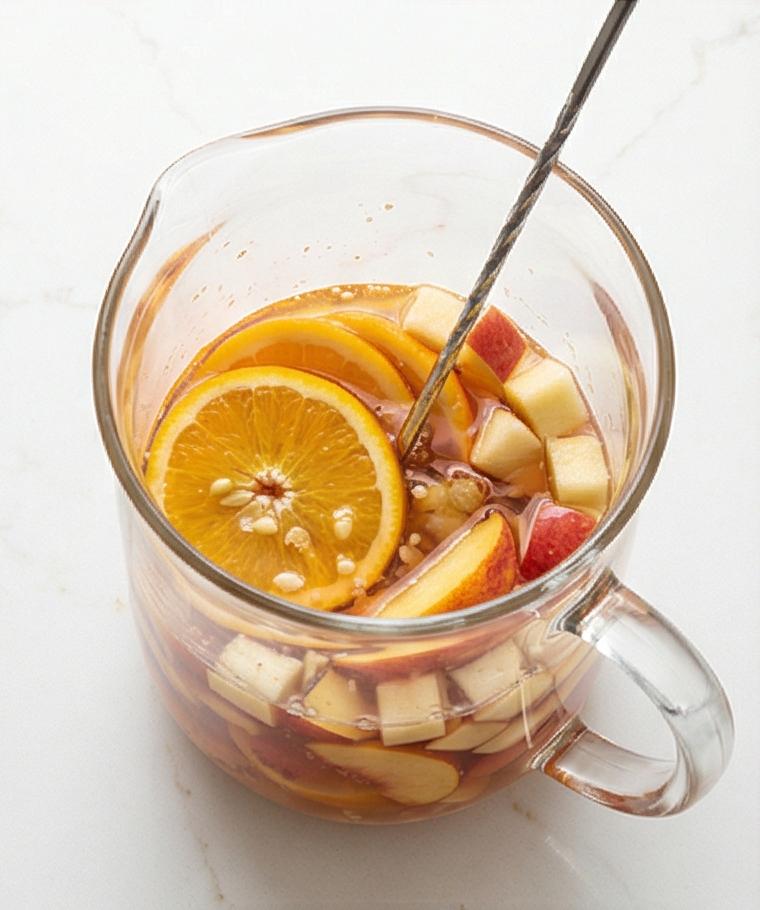
Drop the orange and lemon rounds, apple cubes, and peach pieces into the pitcher. Gently press the fruit against the glass with the back of the long spoon for about 20–30 seconds — releasing a few beads of juice and citrus oil without crushing the fruit. Capture the resulting tableau: fruit layered against the clear pitcher walls, pith and pulp visible, tiny suspended bubbles beginning to cling to apple edges, and wet flesh glistening. Keep the same clear pitcher and long spoon visible in-frame to show utensil persistence.
Step 4: Incorporate wine and aromatics, then chill to infuse
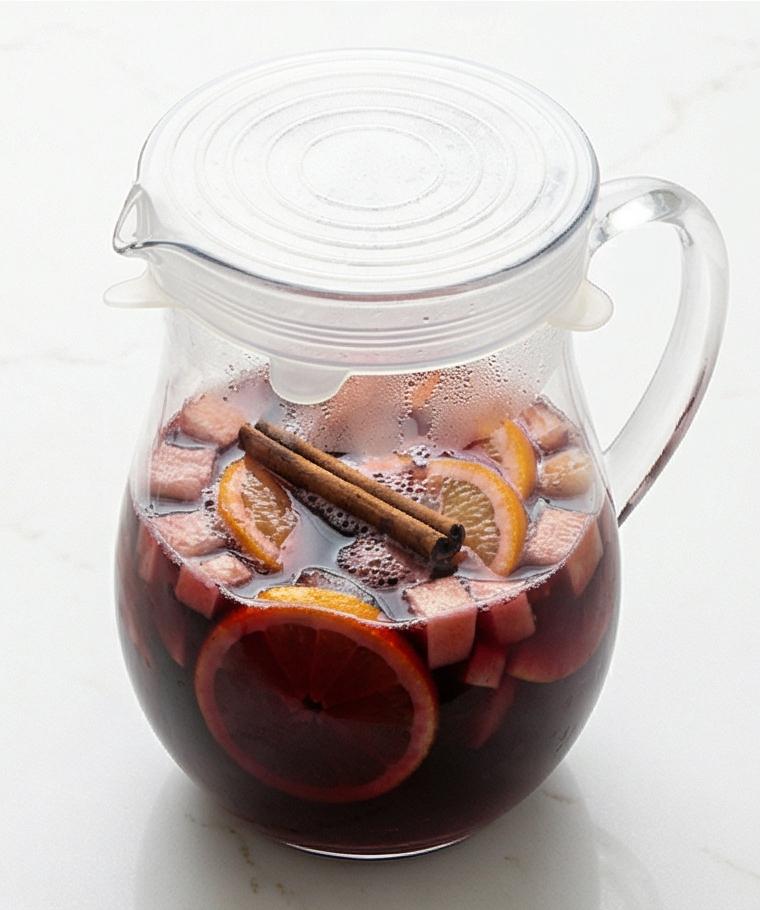
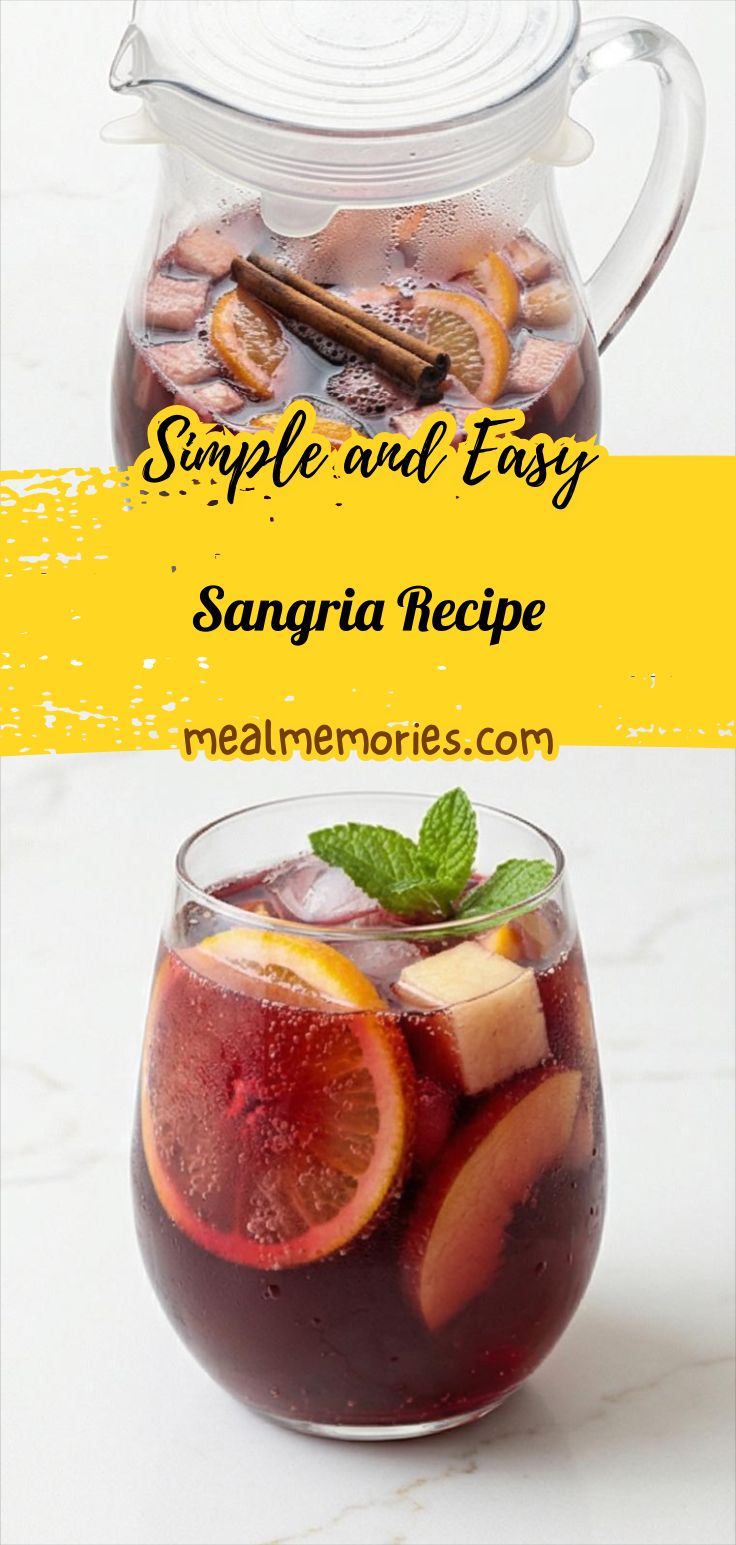
Slowly pour the entire bottle of dry Spanish red wine into the pitcher, stirring gently as you pour so the dark ruby liquid evenly envelops the citrus-spirit base and fruit. If using, nest a small cinnamon stick into the mix and stir briefly to distribute it. The pitcher should now read as a saturated, jewel-toned suspension: translucent citrus slices, saturated peach flesh, and apple cubes softened slightly at the edges, all buoyant in deep red wine. Cover and place on the cool surface (fridge refrigeration is implied) to chill and infuse for at least four hours — this is when flavors meld and fruit textures relax into the wine.
Step 5: Final balancing and effervescence
After chilling, return the pitcher to the surface and give a gentle stir. Taste and, if you want more sweetness, add honey teaspoon by teaspoon until you reach the desired balance — stir until fully dissolved so the honey becomes part of the glossy body. Just before serving, pour in the chilled sparkling water or club soda and stir very gently for about 10 seconds to retain carbonation. This step shifts the texture: the sangria brightens, tiny effervescent bubbles cling to fruit and glass, and the liquid lightens slightly in opacity from the soda.
Step 6: Serve and garnish
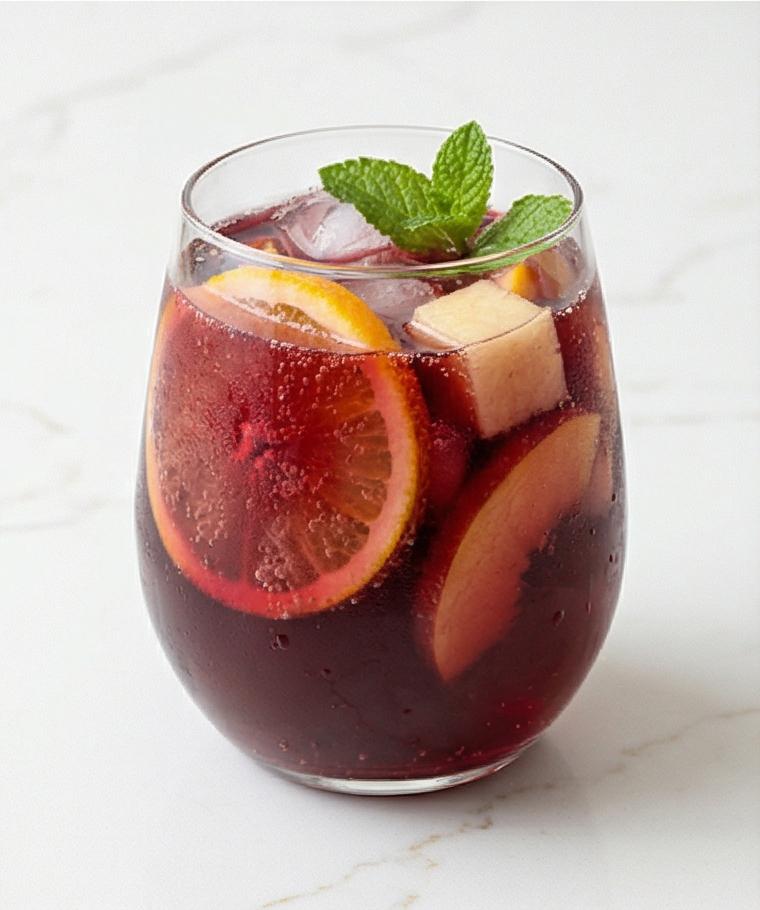
Fill individual glasses halfway with ice cubes, then use a ladle to scoop macerated fruit into each glass and pour the sangria over the ice and fruit, leaving a small headspace. Garnish each serving with a thin slice of orange or lemon and a fresh mint sprig. Present the final close-up as a very-close eye-level shot that emphasizes the chilled condensation on the glass, distinct fruit textures (glossy citrus wheels, juicy peach segments, and jewel-like apple cubes), the delicate fizz, and a fresh mint sprig standing upright — all set on the elegant Calacatta-inspired quartz surface, ready to drink.
Seasonal and Dietary Variations
I like to treat this recipe as a template. For a white wine version, swap in a dry Spanish white and use stone fruit and green apple for a lighter, crisper feel. For a low-sugar option, halve the granulated sugar and skip the honey; increase citrus slightly to keep brightness. Tropical variations with pineapple and mango work well if you replace orange liqueur with coconut rum for a beachy spin. If you want an alcohol-free pitcher, use nonalcoholic sparkling wine or a mix of black grape juice and sparkling water; reduce sugar to taste. Small swaps change the mood dramatically, so experiment in small batches before scaling up.
How to Serve and Present
If I am hosting, I chill the pitcher and the glasses ahead of time. For a crowd of six, one standard recipe is usually perfect; for larger groups, double it but keep the fruit proportions similar. Serve with a ladle and small bowls for used ice and extra garnishes so guests can customize. For a brunch or daytime party, present the sangria in clear glasses over lots of ice with colorful citrus wheels on top. For an evening gathering, skip the ice in the pitcher and serve chilled glasses with mint sprigs and a small cinnamon stick for a more sophisticated look.
Storage Tips and Reheating Notes
Sangria keeps well chilled in the refrigerator for up to 48 hours. The flavors will continue to meld, and fruit will become softer; if you plan to store, wait to add the sparkling water until just before serving so the fizz does not dissipate.
Reheating is not recommended since heat flattens the wine and dissolves effervescence. If you prefer a warm spiced punch, start from the base flavors but use fresh wine and gently warm with spices, without boiling.
Common Mistakes and How to Avoid Them
Under-sweetening or over-sweetening are the usual slip-ups. Taste after chilling and add honey or sugar gradually to reach balance. Keeping a small jar of honey on hand makes adjustments easy.
Another common error is adding the sparkling water too early. Always wait until the last minute so the sangria retains its sparkle and bright mouthfeel.
Raise a Glass Soon
Try this Sangria Recipe next time you want an effortless party pitcher that rewards a little patience. It is forgiving, adaptable, and always a conversation starter. Make a pitcher, sit back, and enjoy the way simple fruit and good wine make an ordinary moment feel festive.
Frequently Asked Questions.
- Can I make Sangria ahead of time? Yes, you can make the sangria up to 48 hours ahead. Keep it chilled and add sparkling water just before serving for best fizz.
- What wine is best for sangria? A dry Spanish red like Rioja or Tempranillo works beautifully, but any medium-bodied dry red is fine.
- Can I use frozen fruit? Yes, frozen fruit works in a pinch and chills the drink, but it will release extra water as it thaws which can dilute the sangria.
- How do I adjust sweetness? Taste after chilling and add honey or sugar teaspoon by teaspoon until you reach your preferred balance.
- Is there a nonalcoholic version? Yes, use nonalcoholic wine or a mix of black grape juice and sparkling water, and reduce added sugar to taste.
Sangria Recipe
Make this Sangria Recipe with fresh fruit, brandy, and Rioja for a sparkling, party-ready pitcher.
Ingredients
Instructions
Step 1: Prepare and transform the fruit
Rinse all fruit under cool running water and pat dry, then halve the orange and lemon. Juice one half of each into a small bowl, straining any seeds, and reserve the remaining halves to be cut into thin 1/4-inch (6 mm) rounds. Core the apple and cut it into 1/2-inch (1.25 cm) cubes; pit and cut the peach or nectarine into 1/2-inch wedges or cubes. Arrange the sliced citrus rounds and the cubed apple and peach on a clean cutting board and transfer the strained citrus juice into a small glass pitcher or bowl so it’s ready to dissolve sugar and marry with spirits. This step is all about bright, wet textures — the glossy citrus rinds, the translucent juice, the matte apple cubes and the soft, slightly fuzzy peach flesh, each prepared and resting on the Calacatta-like surface, ready for assembly.
Step 2: Build the citrus-sugar spirit base and dissolve
Place 1/4 cup granulated sugar into a large clear glass pitcher. Pour the freshly strained orange and lemon juices over the sugar, then add the orange liqueur and brandy. Using a long spoon, stir for 1–2 minutes until the sugar is mostly dissolved and the liquid takes on a slightly syrupy sheen. Photograph-ready details: the syrup clinging to the spoon, tiny juice droplets on the pitcher rim, and the way the pale gold of liqueur and amber of brandy swirl into the citrus — a glossy, viscous core that will season the wine.
Step 3: Add the cut fruit and lightly muddle
Drop the orange and lemon rounds, apple cubes, and peach pieces into the pitcher. Gently press the fruit against the glass with the back of the long spoon for about 20–30 seconds — releasing a few beads of juice and citrus oil without crushing the fruit. Capture the resulting tableau: fruit layered against the clear pitcher walls, pith and pulp visible, tiny suspended bubbles beginning to cling to apple edges, and wet flesh glistening. Keep the same clear pitcher and long spoon visible in-frame to show utensil persistence.
Step 4: Incorporate wine and aromatics, then chill to infuse
Slowly pour the entire bottle of dry Spanish red wine into the pitcher, stirring gently as you pour so the dark ruby liquid evenly envelops the citrus-spirit base and fruit. If using, nest a small cinnamon stick into the mix and stir briefly to distribute it. The pitcher should now read as a saturated, jewel-toned suspension: translucent citrus slices, saturated peach flesh, and apple cubes softened slightly at the edges, all buoyant in deep red wine. Cover and place on the cool surface (fridge refrigeration is implied) to chill and infuse for at least four hours — this is when flavors meld and fruit textures relax into the wine.
Step 5: Final balancing and effervescence
After chilling, return the pitcher to the surface and give a gentle stir. Taste and, if you want more sweetness, add honey teaspoon by teaspoon until you reach the desired balance — stir until fully dissolved so the honey becomes part of the glossy body. Just before serving, pour in the chilled sparkling water or club soda and stir very gently for about 10 seconds to retain carbonation. This step shifts the texture: the sangria brightens, tiny effervescent bubbles cling to fruit and glass, and the liquid lightens slightly in opacity from the soda.
Step 6: Serve and garnish
Fill individual glasses halfway with ice cubes, then use a ladle to scoop macerated fruit into each glass and pour the sangria over the ice and fruit, leaving a small headspace. Garnish each serving with a thin slice of orange or lemon and a fresh mint sprig. Present the final close-up as a very-close eye-level shot that emphasizes the chilled condensation on the glass, distinct fruit textures (glossy citrus wheels, juicy peach segments, and jewel-like apple cubes), the delicate fizz, and a fresh mint sprig standing upright — all set on the elegant Calacatta-inspired quartz surface, ready to drink.
Notes
- Chill the pitcher and glasses ahead for better presentation and longer-lasting fizz.
- Add sparkling water just before serving to retain carbonation.
- Taste after chilling and add honey or sugar gradually to adjust sweetness.
- Use firm but ripe fruit so pieces hold up during maceration.
- For nonalcoholic sangria, use nonalcoholic wine or grape juice and reduce added sugar.