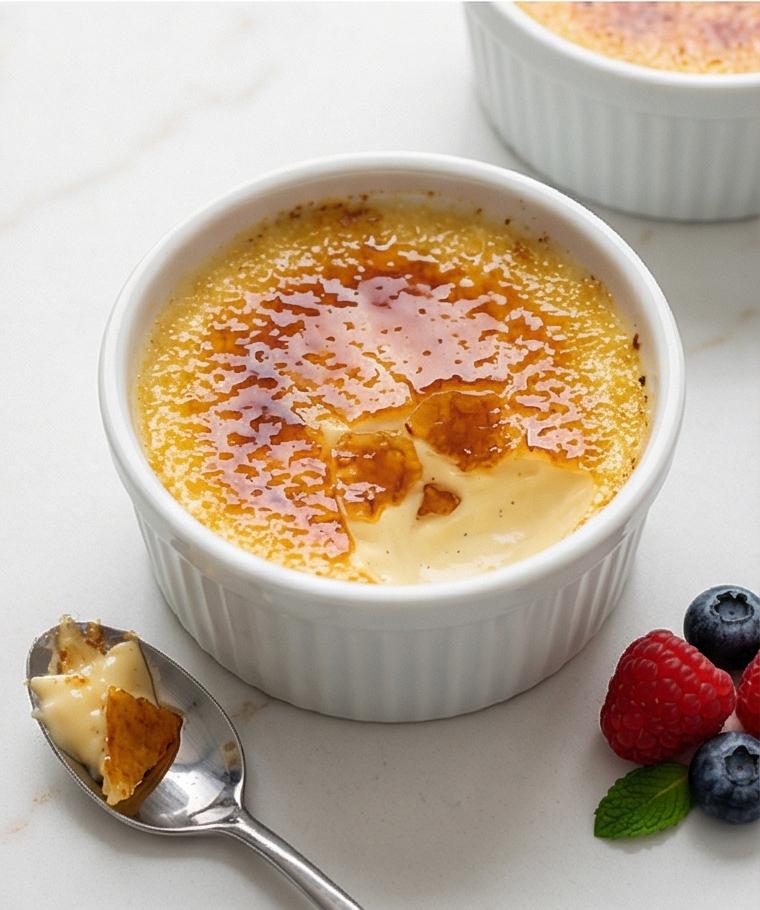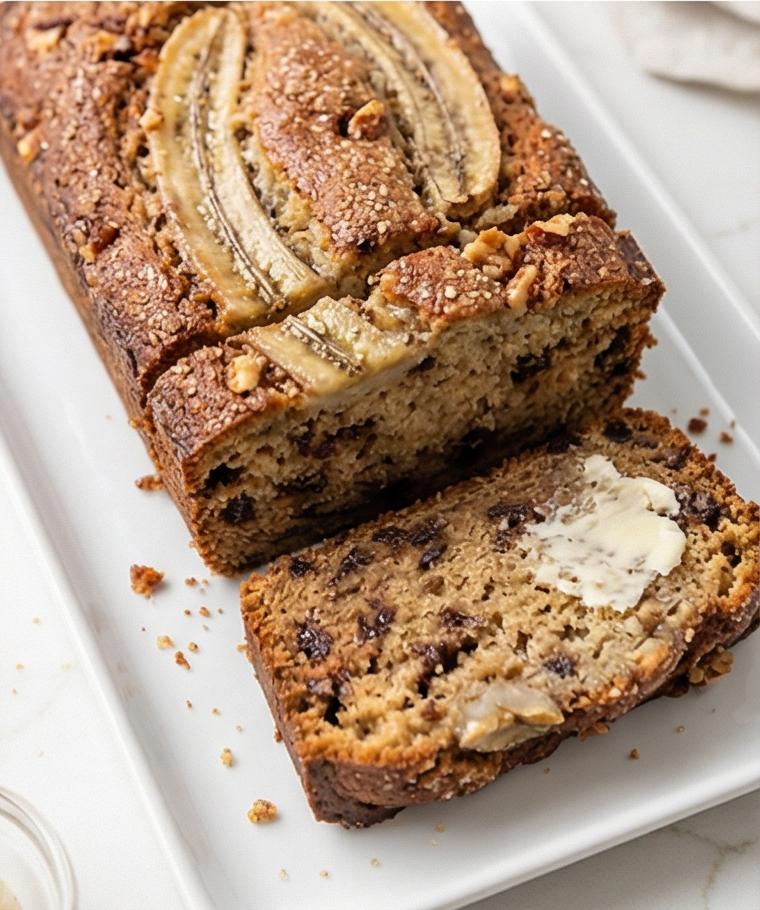
I have a soft spot for the Tres Leches Cake Recipe; it is the kind of dessert that turns ordinary evenings into small celebrations. This cake has taught me patience: you let a light sponge absorb a silky trio of milks and the payoff is worth every minute. I find myself making this Tres Leches Cake Recipe for family get-togethers and quiet Sunday afternoons alike because its texture and balance feel effortless once you know the rhythm. If you love a dessert that is both nostalgic and refreshingly simple, this Tres Leches Cake Recipe will quickly become a go-to.
How This Recipe Became My Rainy-Day Favorite
There was one rainy afternoon when I tried this cake for the first time and the whole house smelled like warm vanilla and toasted cream. I remember separating the eggs while thunder murmured in the distance, and the rhythm of whisking felt oddly comforting. When I poured the milk soak over the warm sponge, it sounded like a gentle rain on the roof, little taps as the liquid found its way into the crumb. The first bite was cool and tender, the whipped cream light and fragrant, the berries popping with a fresh tang. I felt proud and oddly calm, like I had turned a gray day into something celebratory with only a whisk and a 9×13 pan. Since then, this cake has been my rainy-day ritual and my impromptu party trick, a dessert that invites sharing and slow conversation.
The Heart of Tres Leches Cake Recipe: Primary Ingredients
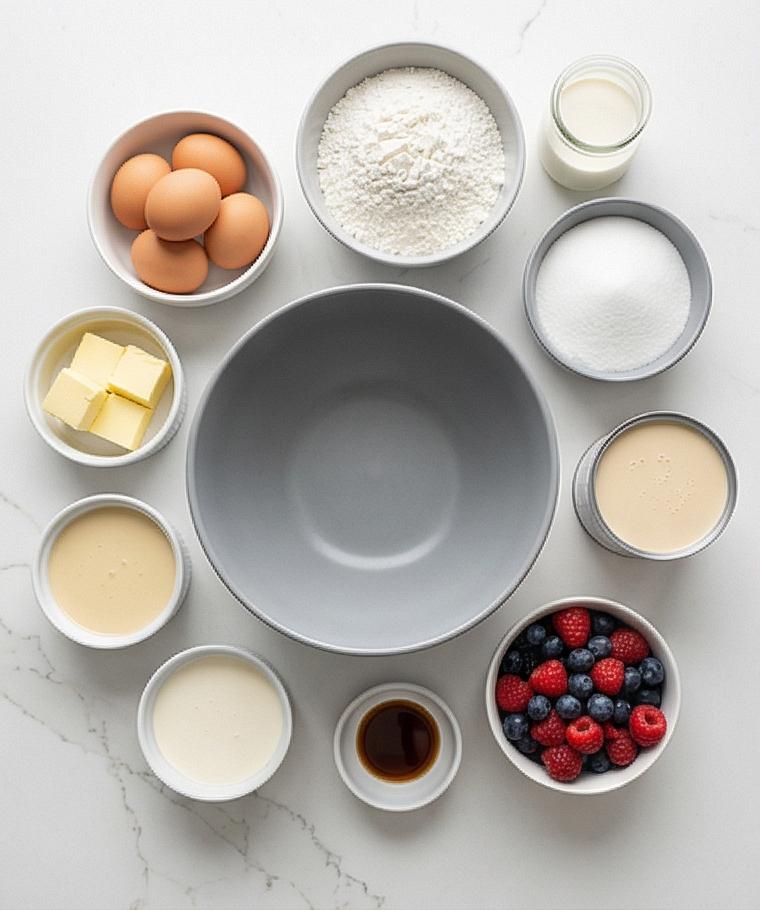
- All-Purpose Flour: Provides structure for the sponge; cake flour is a lighter substitute if you prefer a more tender crumb. Choose fine, sifted flour for even aeration.
- Eggs: The main leavening and richness; separate them to create an airy batter. Use fresh, room-temperature eggs for best volume.
- Granulated Sugar: Sweetens and stabilizes whipped egg whites; you can reduce slightly for less sweetness.
- Evaporated and Sweetened Condensed Milk: The soak’s soul; evaporated adds body, condensed adds sweetness. Light evaporated milk works as a lower-fat option.
- Heavy Cream: For both the soak and the topping; choose full-fat for the richest texture and stable whipped cream.
- Vanilla, Baking Powder, Salt, Cinnamon: Flavor and lift; use pure vanilla and fine sea salt to balance sweetness.
Essential Kitchen Tools and Why They Matter
A few reliable tools make the Tres Leches Cake Recipe feel easy and precise. You do not need a lot, but the right items save time and help the texture come out right. A medium mixing bowl keeps ingredients tidy while you whip and fold, and a separate clean bowl for egg whites is crucial for volume. An electric mixer speeds up the process and helps reach the ribbon stage consistently, though a sturdy whisk will work if you have patience. A 9×13 inch baking pan gives the cake its classic shape, and an offset spatula makes smoothing and topping effortless. Finally, a fine sieve for dusting cinnamon and a ladle for soaking help with even distribution and a neat finish.
Step-by-Step Preparation Guide
Step 1: Preheat, prepare the pan, and combine the dry ingredients
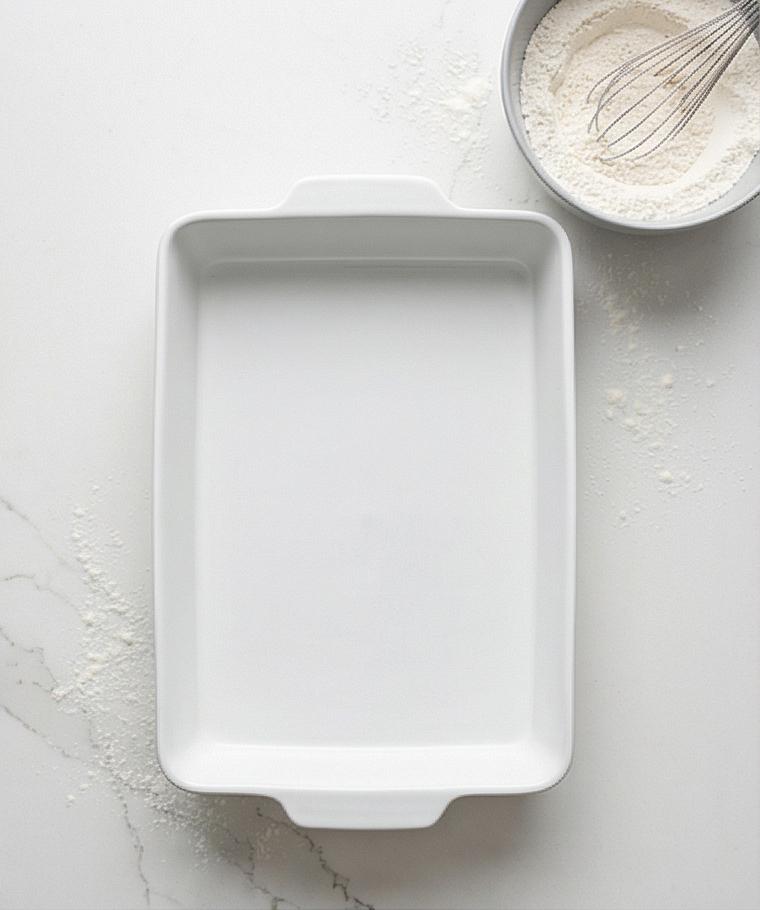
Preheat the oven to 350°F (175°C). Lightly grease a 9×13 inch rectangular baking pan with a teaspoon of room-temperature unsalted butter, dust it with a teaspoon of all-purpose flour, and tap out any excess; set the prepared pan to the side. In a medium mixing bowl whisk together the sifted 1 1/2 cups all-purpose flour, 2 teaspoons baking powder, and 1/2 teaspoon fine sea salt until evenly combined and airy, then set the dry mix aside. Keep your tools simple and tidy — a single matte grey mixing bowl and a small ceramic jar for the butter make for a clean workflow.
Step 2: Separate eggs and whip yolks to the ribbon stage
Separate the five large eggs carefully, placing the yolks in a large bowl and the whites in a clean, dry bowl. With a whisk attachment, beat the yolks together with 3/4 cup granulated sugar on medium-high speed until very pale, glossy and thick enough to fall off the whisk in broad ribbons, about 3–5 minutes. The texture should be satiny and dense, holding a soft mound when the whisk is lifted — this is the structural heart of the cake.
Step 3: Enrich the yolks and gently fold in the flour
Lower the mixer and beat in 1/4 cup whole milk and 1 teaspoon vanilla extract until smooth and uniform, keeping the mixture light. Add the reserved dry flour mixture in two to three additions, folding each time with a flexible spatula just until no dry streaks remain; the batter should be thick, slightly elastic and not overworked, a pale gold with delicate streaks from the folding.
Step 4: Whip the egg whites and finish the batter
Whip the egg whites on medium speed until foamy, then gradually add the remaining 1/4 cup granulated sugar and continue to whip until glossy, medium-stiff peaks form — soft, cohesive peaks that still glisten. Fold one-third of the whites into the yolk batter to loosen it, then fold in the remainder in two gentle additions, using broad sweeping turns until the batter is airy, homogeneous and streak-free. You should see a light, aerated batter with a slightly billowy texture, ready to be transferred to the prepared pan.
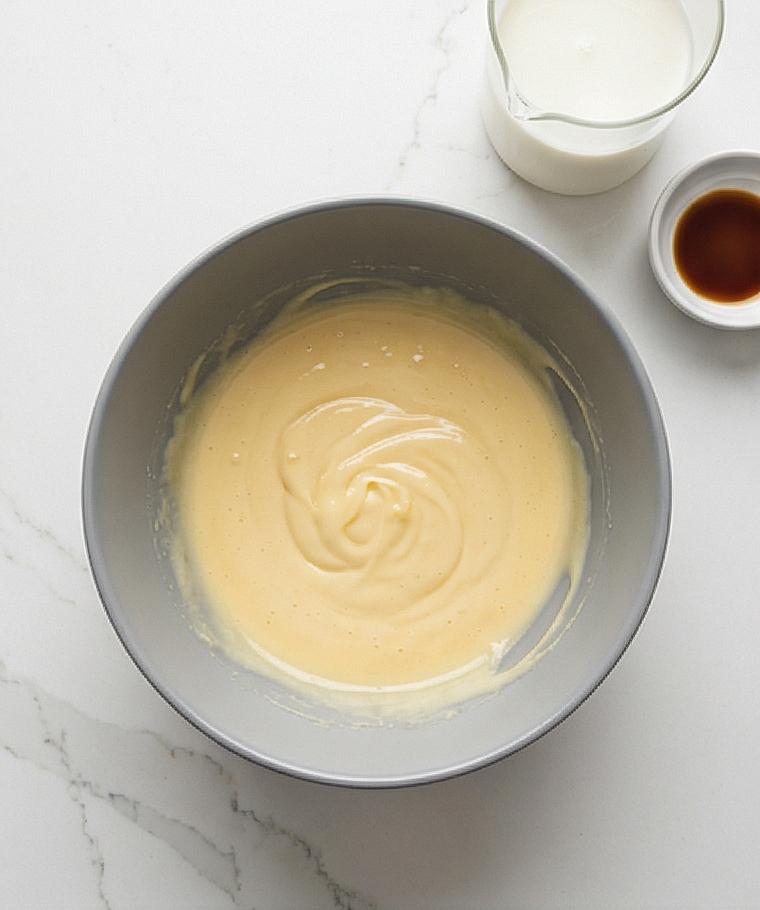
Step 5: Bake until golden and prepare the milk soak
Pour the finished batter into the greased 9×13 rectangular pan, smooth the surface with an offset spatula, and tap the pan on the counter a few times to release large bubbles. Bake in the preheated oven 22–28 minutes until the top is deep golden and the center springs back lightly. While the cake bakes, whisk together the tres leches soak in a large jug: 1 can evaporated milk, 1 can sweetened condensed milk, 3/4 cup heavy cream, 1 teaspoon vanilla extract and a pinch of salt, until smooth. When the cake comes out, let it cool 10–15 minutes in the pan until warm but not hot.
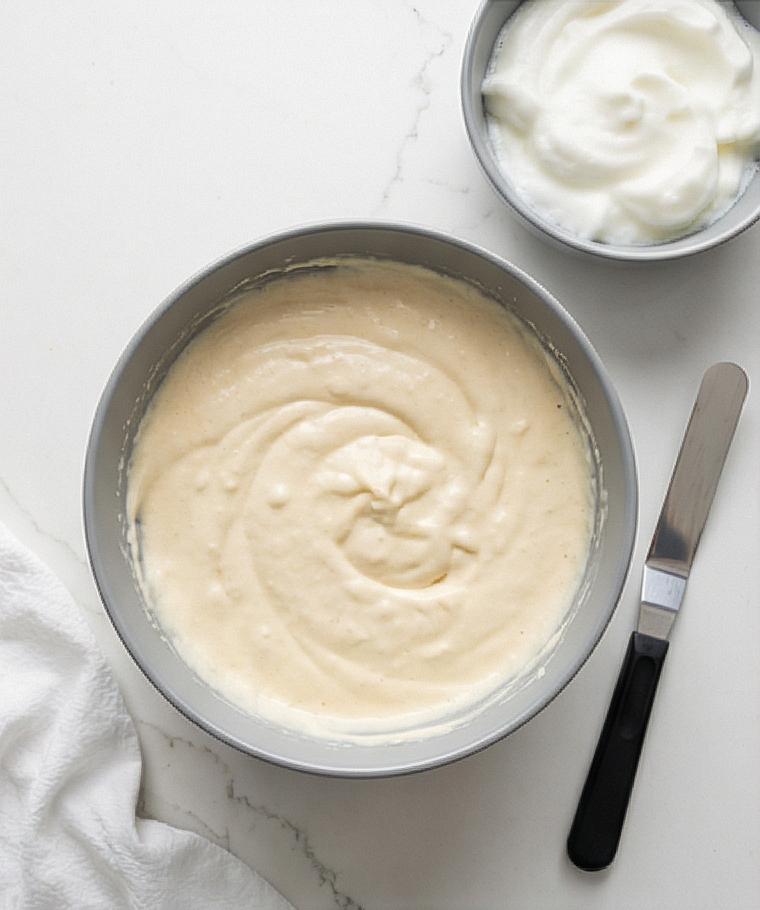
Step 6: Poke, soak slowly, and chill until fully absorbed
Using a toothpick or skewer, poke holes all over the warm cake, spacing them about 1/2 inch apart and reaching down to the bottom so the soak can penetrate. Slowly ladle the milk mixture over the cake in 3–4 passes, allowing each addition to sink in before adding more, tilting the pan slightly if needed to help redistribution — the surface will glisten and become evenly saturated. Let the cake cool completely at room temperature for about an hour, then cover and refrigerate for at least 4 hours or overnight so the milk is mostly absorbed and the crumb becomes tender and plush.
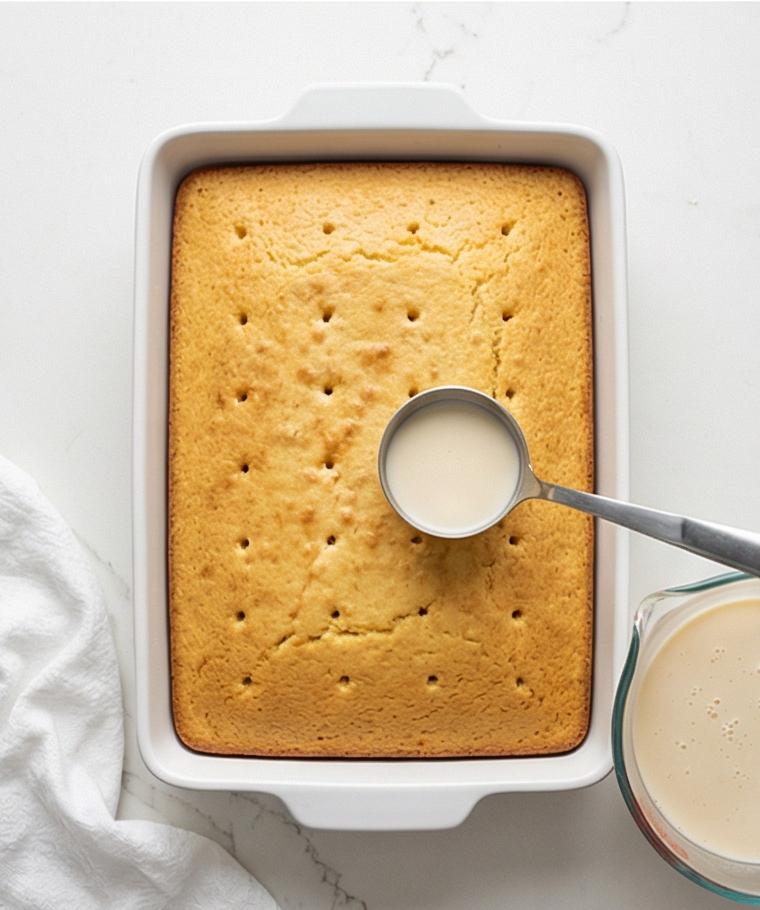
Step 7: Whip the topping and finish the cake
In a chilled bowl beat 2 cups cold heavy cream with 1/4 cup sifted powdered sugar and 1 teaspoon vanilla until medium-soft peaks form; it should be smooth, glossy and thick enough to hold soft swirls. Spread the whipped cream evenly over the fully chilled, soaked cake with an offset spatula, creating gentle swirls that read as pillowy texture across the top.
Step 8: Garnish, slice into rectangles, and serve
Just before serving, dust the whipped top lightly with 1/2 teaspoon ground cinnamon through a fine sieve and scatter 1 cup fresh berries plus a few small mint sprigs for color contrast. Using a sharp knife, cut the cake into 12–16 neat rectangular pieces (retain the rectangular geometry of the original pan), wiping the blade between cuts for clean edges. Transfer slices to plates and, if desired, spoon a little of the extra milk from the pan over each piece for an indulgently moist finish.
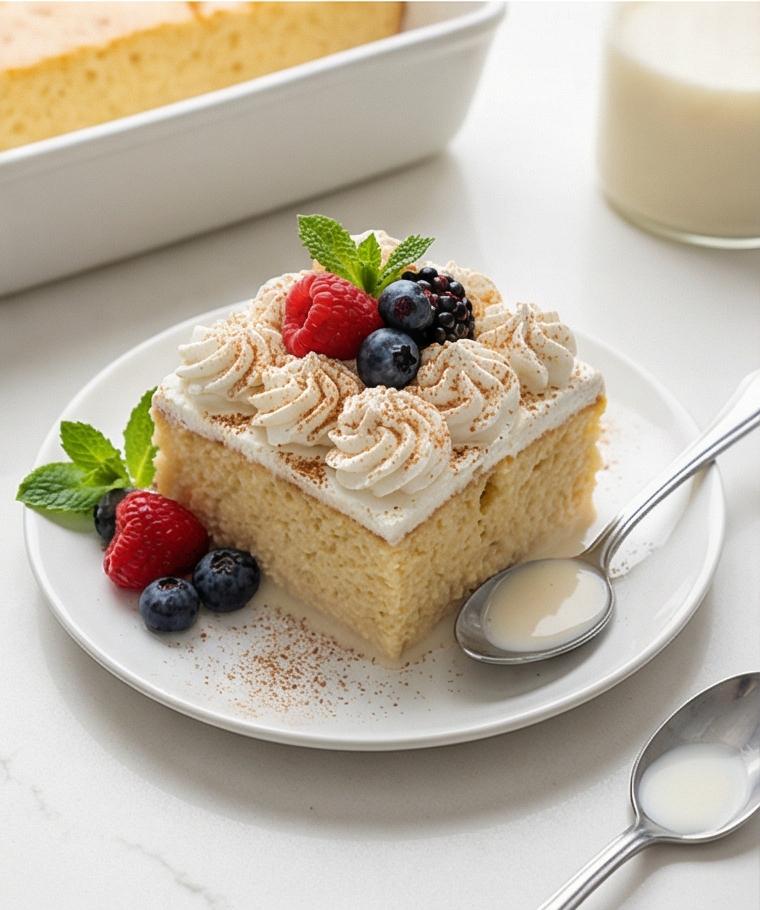
Making It Your Own
I like to tinker with the Tres Leches Cake Recipe by changing one element at a time. For a lighter version, I swap half of the heavy cream in the soak for whole milk and reduce the powdered sugar in the topping by a tablespoon; the cake stays moist but feels less rich. For a tropical twist, I stirred in a tablespoon of coconut rum into the soak and replaced berries with toasted coconut and mango slices. During berry season, I fold a few macerated strawberries into the whipped cream for pockets of bright acidity. For a dairy-free option, try canned coconut milk in place of evaporated and coconut cream for the topping.
How to Serve
When I host, I plan servings and presentation so the cake reads as both casual and special. For a party of 12, slice into 12 rectangles and plate each with a small spoonful of reserved milk from the pan and a neat cluster of berries. For a smaller gathering of six, slice into larger pieces and serve with a dollop of extra whipped cream and an espresso shot. If you want to transport slices, chill the cake fully, cut and place pieces into a shallow container with parchment between layers. For an elegant dinner, finish each plate with a delicate mint sprig and a light dusting of cinnamon.
Storage and Reheating Tips
Store this cake covered in the refrigerator; it keeps beautifully for up to 4 days. Because the cake is soaked, the texture can become denser over time, so store tightly to prevent absorption of other fridge odors. If you plan to keep it longer, cut individual portions and freeze them in airtight containers for up to 1 month.
To revive chilled slices, let them sit at room temperature for 15 to 20 minutes before serving so the cream softens. Avoid microwaving whole slices; if you must warm a piece, use short 8 to 10 second bursts on low power and watch closely to preserve texture.
Common Mistakes and How to Avoid Them
Overbeating the egg whites or underfolding can either deflate the batter or leave streaks of white. Be patient folding: use gentle, broad turns and stop as soon as the batter looks uniform. Keep the technique relaxed and steady.
Pouring the milk soak too quickly leads to puddles rather than even absorption. Ladle slowly in passes and allow each addition to sink in. Give the cake ample time to chill so the crumb sets and the flavors meld.
Final Thoughts
You are likely to fall in love with how forgiving and rewarding the Tres Leches Cake Recipe is. It rewards small attentions and invites sharing, whether you are feeding a crowd or treating yourself. Try it once and I think you will find reasons to make it again.
Frequently Asked Questions.
- What is the best way to prevent a soggy top when making Tres Leches Cake Recipe? Answer: Let the cake cool slightly before poking holes and add the soak slowly so the liquid absorbs rather than pooling.
- Can I make Tres Leches Cake Recipe ahead of time? Answer: Yes, it gets better after a few hours or overnight in the fridge; just keep it covered.
- How do I stabilize the whipped cream topping? Answer: Chill the bowl and beaters, use cold heavy cream, and add sifted powdered sugar; a tablespoon of mascarpone can add stability.
- Are there good non-dairy swaps for Tres Leches Cake Recipe? Answer: Use full-fat canned coconut milk and coconut cream as substitutes for the evaporated milk and heavy cream.
- How should I store leftover slices? Answer: Refrigerate them covered for up to 4 days or freeze individually wrapped for up to 1 month.
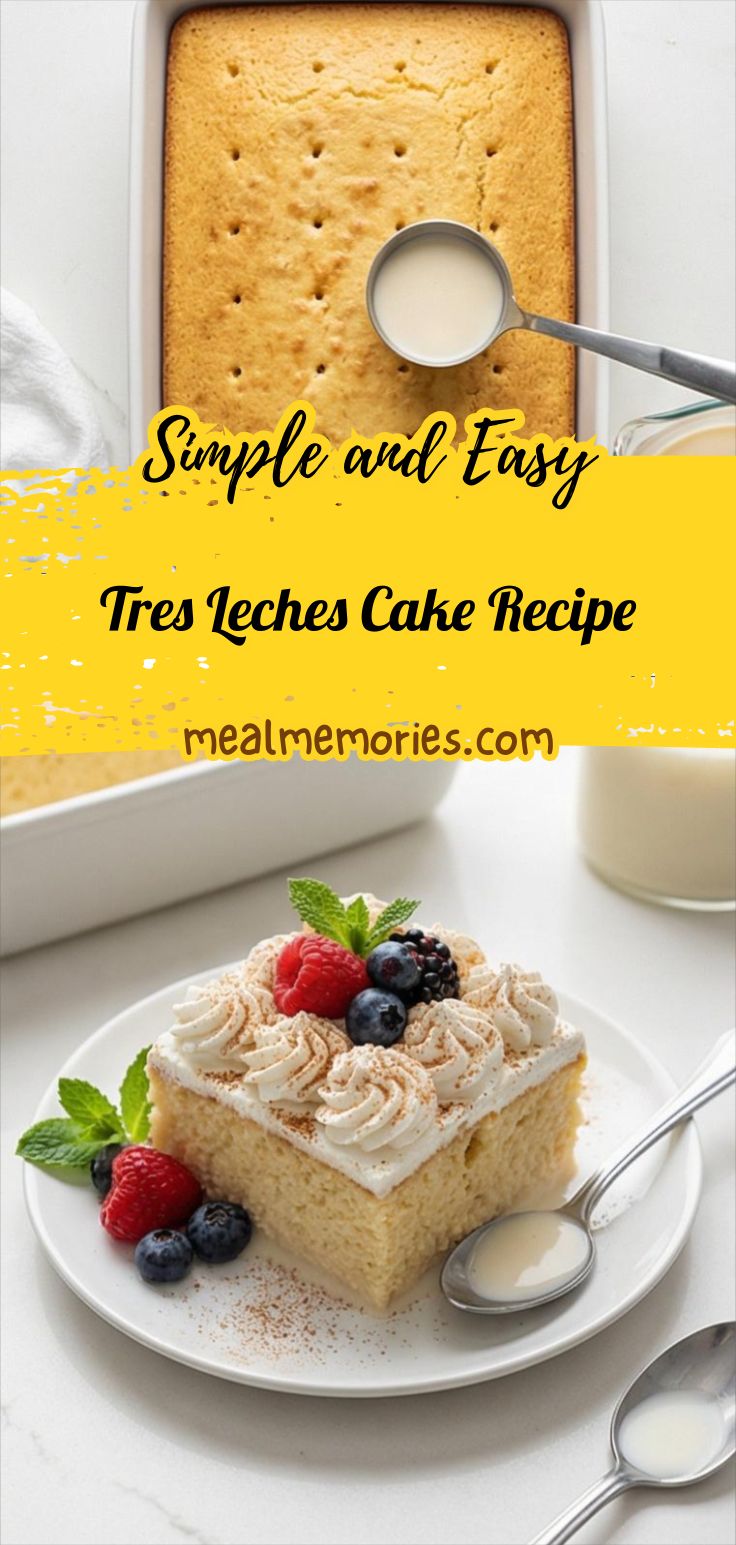
Tres Leches Cake Recipe
Make Tres Leches Cake Recipe now: a pillowy, milk-soaked cake topped with whipped cream and berries.
Ingredients
Instructions
Step 1: Preheat, prepare the pan, and combine the dry ingredients
Preheat the oven to 350°F (175°C). Lightly grease a 9x13 inch rectangular baking pan with a teaspoon of room-temperature unsalted butter, dust it with a teaspoon of all-purpose flour, and tap out any excess; set the prepared pan to the side. In a medium mixing bowl whisk together the sifted 1 1/2 cups all-purpose flour, 2 teaspoons baking powder, and 1/2 teaspoon fine sea salt until evenly combined and airy, then set the dry mix aside. Keep your tools simple and tidy — a single matte grey mixing bowl and a small ceramic jar for the butter make for a clean workflow.
Step 2: Separate eggs and whip yolks to the ribbon stage
Separate the five large eggs carefully, placing the yolks in a large bowl and the whites in a clean, dry bowl. With a whisk attachment, beat the yolks together with 3/4 cup granulated sugar on medium-high speed until very pale, glossy and thick enough to fall off the whisk in broad ribbons, about 3–5 minutes. The texture should be satiny and dense, holding a soft mound when the whisk is lifted — this is the structural heart of the cake.
Step 3: Enrich the yolks and gently fold in the flour
Lower the mixer and beat in 1/4 cup whole milk and 1 teaspoon vanilla extract until smooth and uniform, keeping the mixture light. Add the reserved dry flour mixture in two to three additions, folding each time with a flexible spatula just until no dry streaks remain; the batter should be thick, slightly elastic and not overworked, a pale gold with delicate streaks from the folding.
Step 4: Whip the egg whites and finish the batter
Whip the egg whites on medium speed until foamy, then gradually add the remaining 1/4 cup granulated sugar and continue to whip until glossy, medium-stiff peaks form — soft, cohesive peaks that still glisten. Fold one-third of the whites into the yolk batter to loosen it, then fold in the remainder in two gentle additions, using broad sweeping turns until the batter is airy, homogeneous and streak-free. You should see a light, aerated batter with a slightly billowy texture, ready to be transferred to the prepared pan.
Step 5: Bake until golden and prepare the milk soak
Pour the finished batter into the greased 9x13 rectangular pan, smooth the surface with an offset spatula, and tap the pan on the counter a few times to release large bubbles. Bake in the preheated oven 22–28 minutes until the top is deep golden and the center springs back lightly. While the cake bakes, whisk together the tres leches soak in a large jug: 1 can evaporated milk, 1 can sweetened condensed milk, 3/4 cup heavy cream, 1 teaspoon vanilla extract and a pinch of salt, until smooth. When the cake comes out, let it cool 10–15 minutes in the pan until warm but not hot.
Step 6: Poke, soak slowly, and chill until fully absorbed
Using a toothpick or skewer, poke holes all over the warm cake, spacing them about 1/2 inch apart and reaching down to the bottom so the soak can penetrate. Slowly ladle the milk mixture over the cake in 3–4 passes, allowing each addition to sink in before adding more, tilting the pan slightly if needed to help redistribution — the surface will glisten and become evenly saturated. Let the cake cool completely at room temperature for about an hour, then cover and refrigerate for at least 4 hours or overnight so the milk is mostly absorbed and the crumb becomes tender and plush.
Step 7: Whip the topping and finish the cake
In a chilled bowl beat 2 cups cold heavy cream with 1/4 cup sifted powdered sugar and 1 teaspoon vanilla until medium-soft peaks form; it should be smooth, glossy and thick enough to hold soft swirls. Spread the whipped cream evenly over the fully chilled, soaked cake with an offset spatula, creating gentle swirls that read as pillowy texture across the top.
Step 8: Garnish, slice into rectangles, and serve
Just before serving, dust the whipped top lightly with 1/2 teaspoon ground cinnamon through a fine sieve and scatter 1 cup fresh berries plus a few small mint sprigs for color contrast. Using a sharp knife, cut the cake into 12–16 neat rectangular pieces (retain the rectangular geometry of the original pan), wiping the blade between cuts for clean edges. Transfer slices to plates and, if desired, spoon a little of the extra milk from the pan over each piece for an indulgently moist finish.
Notes
- Chill the mixing bowl and beaters for firmer whipped cream.
- Ladle the milk soak in several passes to avoid pooling.
- Let the cake refrigerate at least 4 hours or overnight for best texture.
- Use fresh, room-temperature eggs for better volume when whipping whites.