Couscous Recipe has been my go-to quick side for evenings when I want something bright and comforting. I first learned this Couscous Recipe from a friend who wrote down the spices and the tiny trick of toasting the grains. It smells like warm citrus and cumin in the kitchen, and it comes together faster than most sides, which is why I keep it in my weekly rotation. If you love small, fragrant grains that pair with everything, this Couscous Recipe will become your easy favorite too.
How This Couscous Recipe Became My Rainy-Day Favorite
I remember the first time I made this Couscous Recipe on a slow, rainy afternoon: the windows fogged, a kettle was humming, and I wanted something that felt nourishing but not heavy. The butter and spices on the stove filled the apartment with a cozy scent, and when I added the golden raisins they reminded me of autumn light in a bowl. I sat down with a lemon wedge in one hand and a fork in the other and felt unexpectedly cheered. The texture was delicate, each grain separate and airy, and the little pops of parsley and toasted almonds made it feel like more than a side. Since then, it has been my comfort food for quick dinners and an easy thing to bring to potlucks when I want to share a simple, thoughtful dish.
Ingredients and What They Do
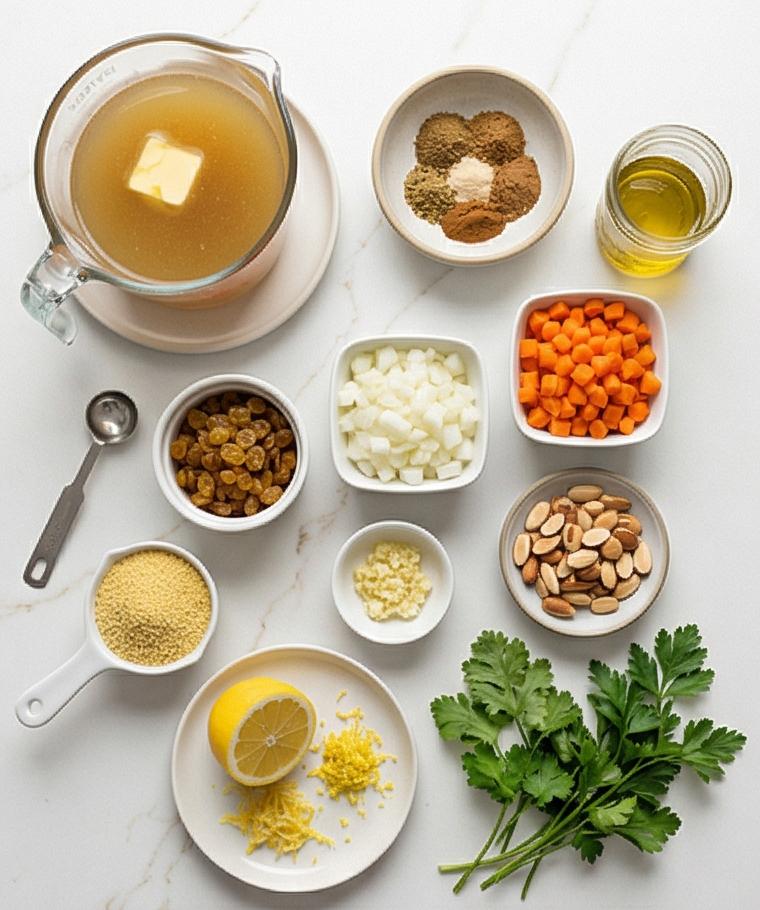
- Low-sodium chicken or vegetable broth: The flavorful liquid that steams the couscous and seasons it from the inside. Substitute vegetable broth for a vegetarian version. Choose low-sodium so you can control the salt.
- Unsalted butter: Adds silkiness and richness; use a good quality butter or swap for olive oil for a lighter feel.
- Fine sea salt: Balances flavors; add gradually and taste.
- Ground cumin, coriander, ground cinnamon: Provide warm, aromatic depth; adjust cumin for a smokier note.
- Extra-virgin olive oil: Used for sautéing aromatics; a neutral oil can work in a pinch.
- Yellow onion, carrot, garlic: The aromatic base that gives sweetness and texture; red onion or shallot are fine substitutes.
- Moroccan-style couscous: The star grain; do not use pearl (Israeli) couscous here.
- Golden raisins: Add sweet, chewy pops; swap for chopped apricots for a different fruit note.
- Lemon zest, parsley, cilantro: Bright finishing elements; cilantro is optional but lovely.
- Black pepper, toasted sliced almonds, lemon wedges: Final seasoning and garnish; almonds add crunch if desired.
Essential Kitchen Tools and Why They Matter
A few simple tools make this Couscous Recipe effortless and consistent. A medium saucepan brings the spiced broth to a reliable, rolling boil so the liquid is hot enough to steam the grains properly. A wide skillet gives room to toast the couscous and toss it with the softened aromatics and raisins, ensuring even toasting and separation. Use a fine grater or microplane for lemon zest so you get fragrant ribbons without bitter pith. A fork is indispensable for fluffing; it teases the grains apart without crushing them. If you do not have a skillet, a shallow saucepan works fine, and an immersion blender is unnecessary—just good heat control and a fork.
Step-by-Step Preparation Guide
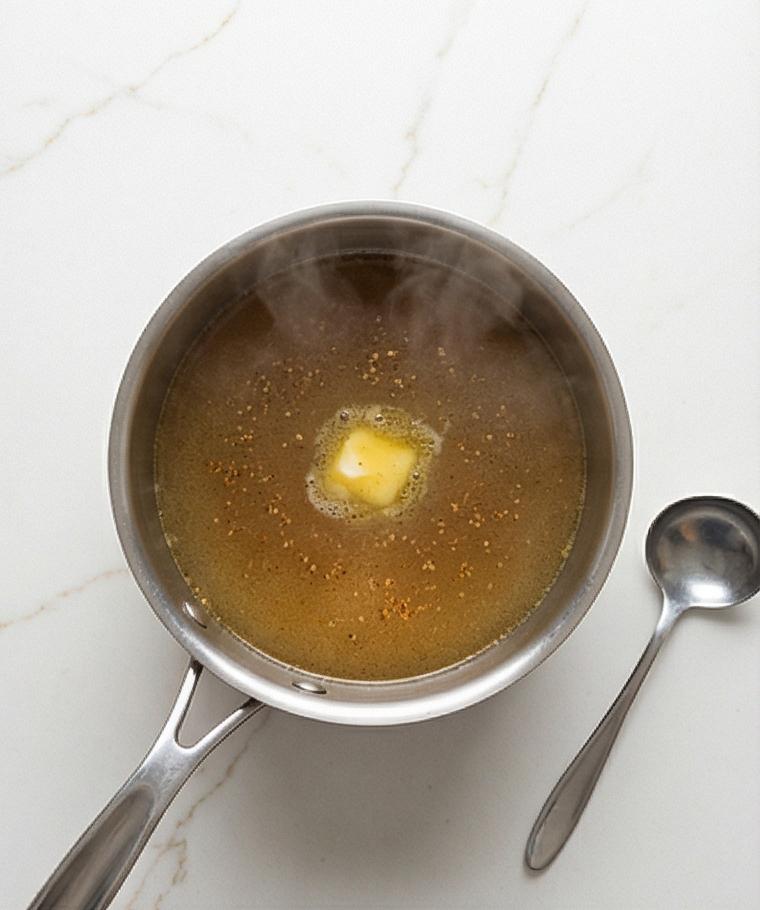
Step 1: Bring the spiced broth to a full boil
Warm the pot: combine the low-sodium chicken or vegetable broth with the small cubes of unsalted butter, fine sea salt, ground cumin, ground coriander, and a whisper of ground cinnamon in a medium saucepan. Place it over heat and bring the mixture to a full, rolling boil, stirring occasionally so the butter melts into a glossy, aromatic broth — this concentrated, fragrant liquid is what will steam and season the couscous.
Step 2: Gently soften the aromatics in olive oil
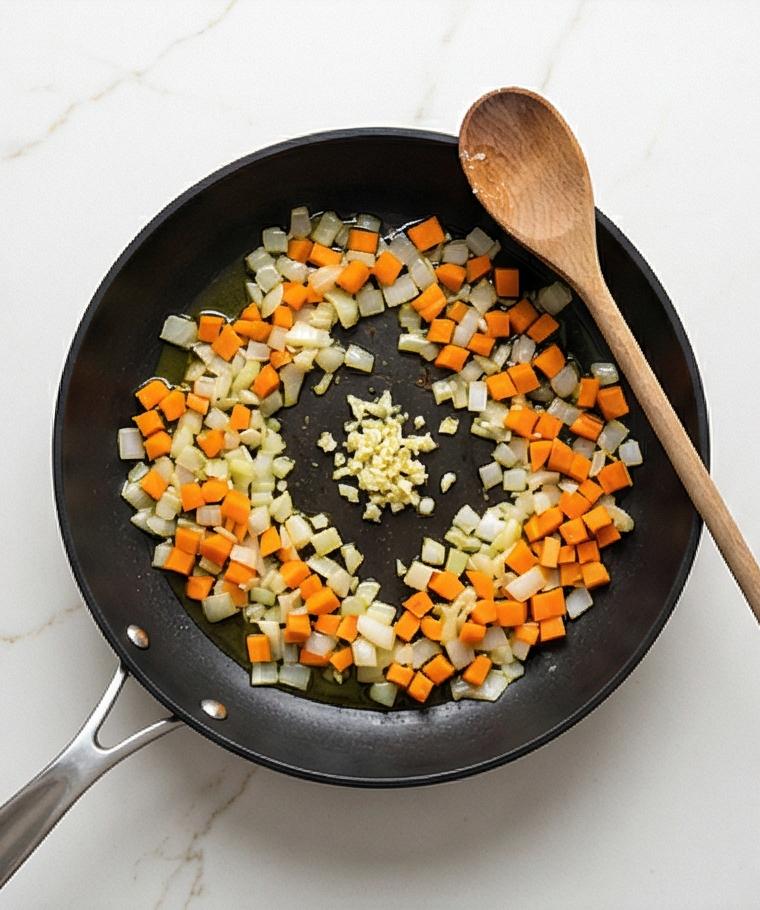
Heat a tablespoon of extra-virgin olive oil in a wide skillet until shimmering and add the finely diced yellow onion and carrot. Cook, stirring frequently, until the onion is translucent and the carrot is tender but still bright, then stir in the minced garlic for just half a minute so it becomes fragrant without taking color; the result should be glossy, soft vegetables studded with tiny golden garlic flecks, the fragrant base that will coat each couscous grain.
Step 3: Toast the couscous and fold in the raisins
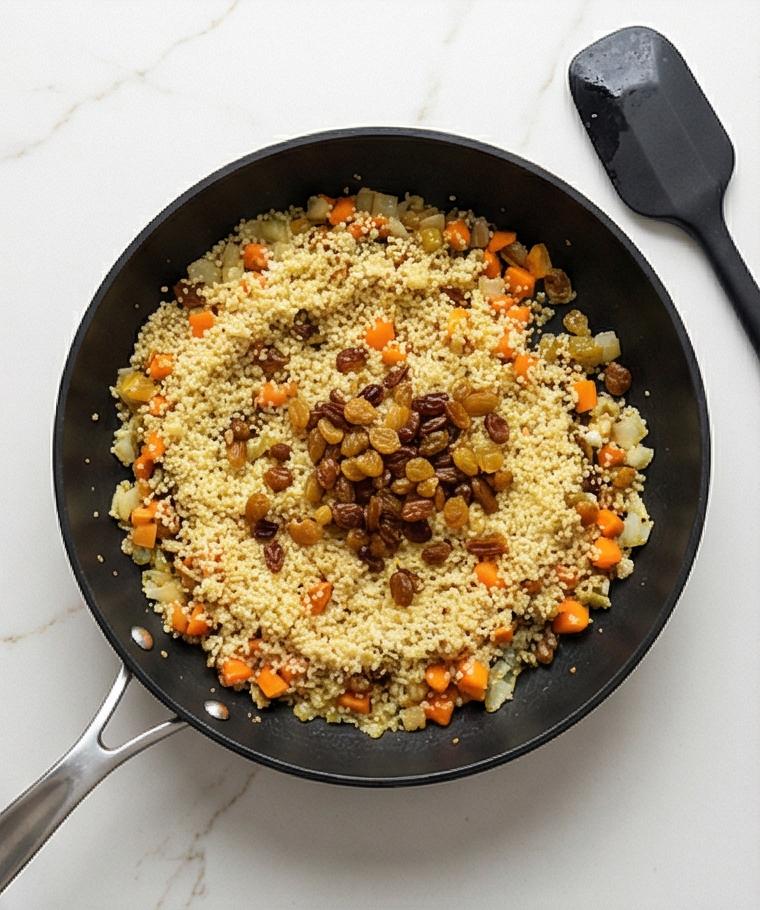
Add the dry Moroccan-style couscous directly into the skillet with the softened vegetables and stir constantly for a minute or two so each tiny granule becomes lightly toasted and coated in oil, taking on a gentle nutty scent. Stir in the golden raisins so they warm and begin to plump from residual heat — the pan should show evenly separated, slightly toasted granules with pockets of amber raisins and flecks of translucent onion and carrot.
Step 4: Add boiling spiced broth, steam, then fluff
Carefully pour the boiling spiced broth over the toasted couscous so every grain is submerged, then turn off the heat and cover the skillet tightly; let it sit undisturbed for ten minutes so the couscous absorbs the liquid and becomes tender. Remove the cover and, using a fork, gently fluff and lift the grains for a minute or two until the texture is airy and each granule separates cleanly — the surface should read as a light, cloud-like bed of tiny pearls threaded with softened vegetables and plumped raisins.
Step 5: Brighten, finish, and plate to serve
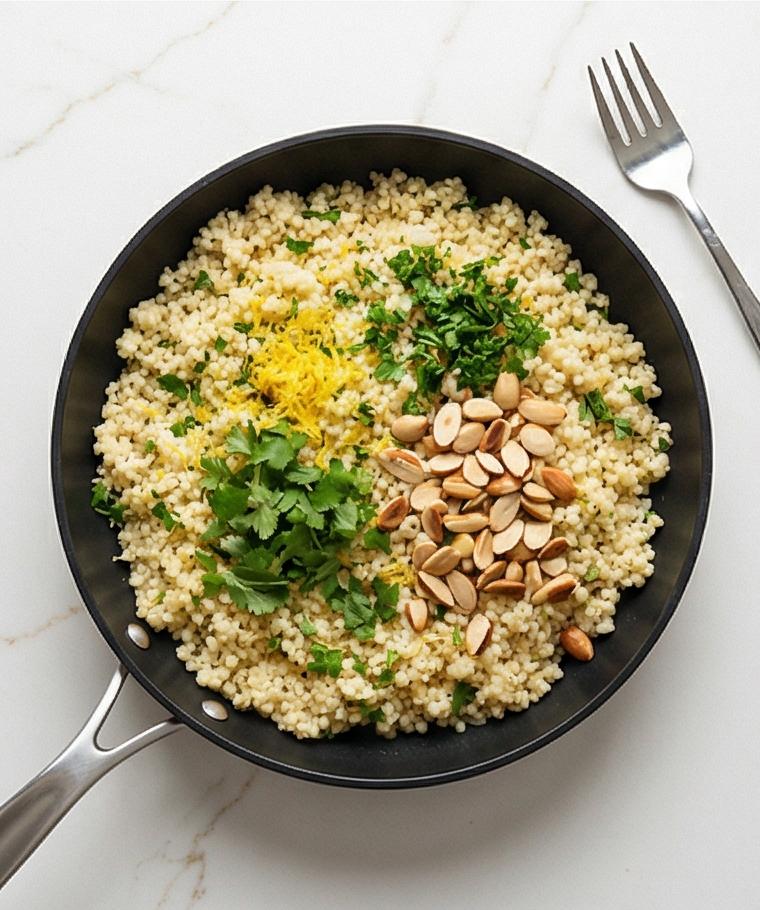
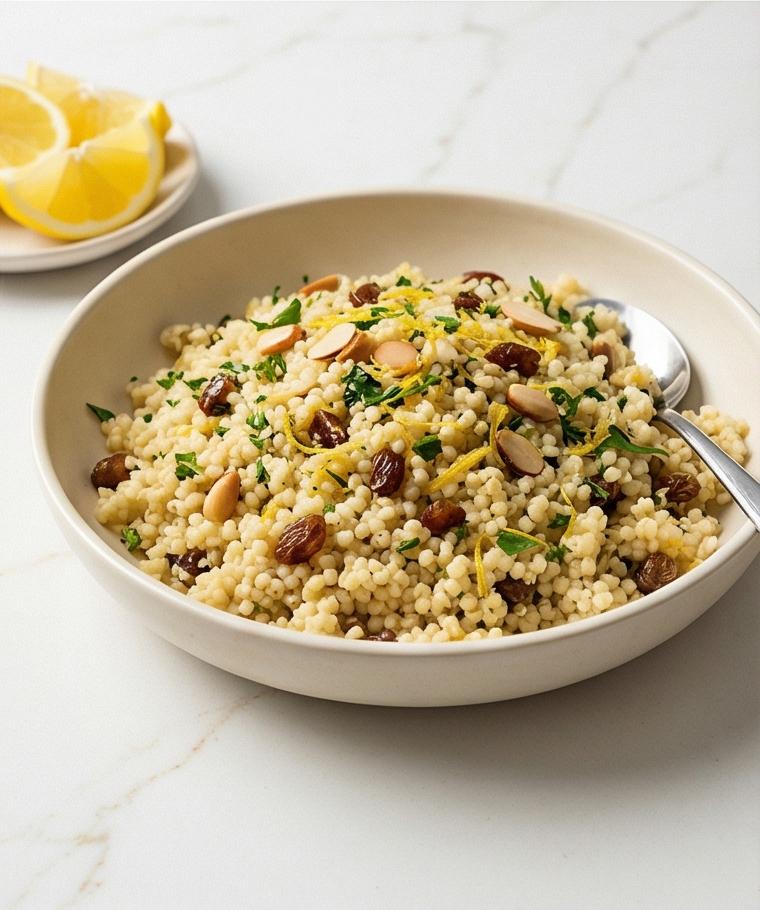
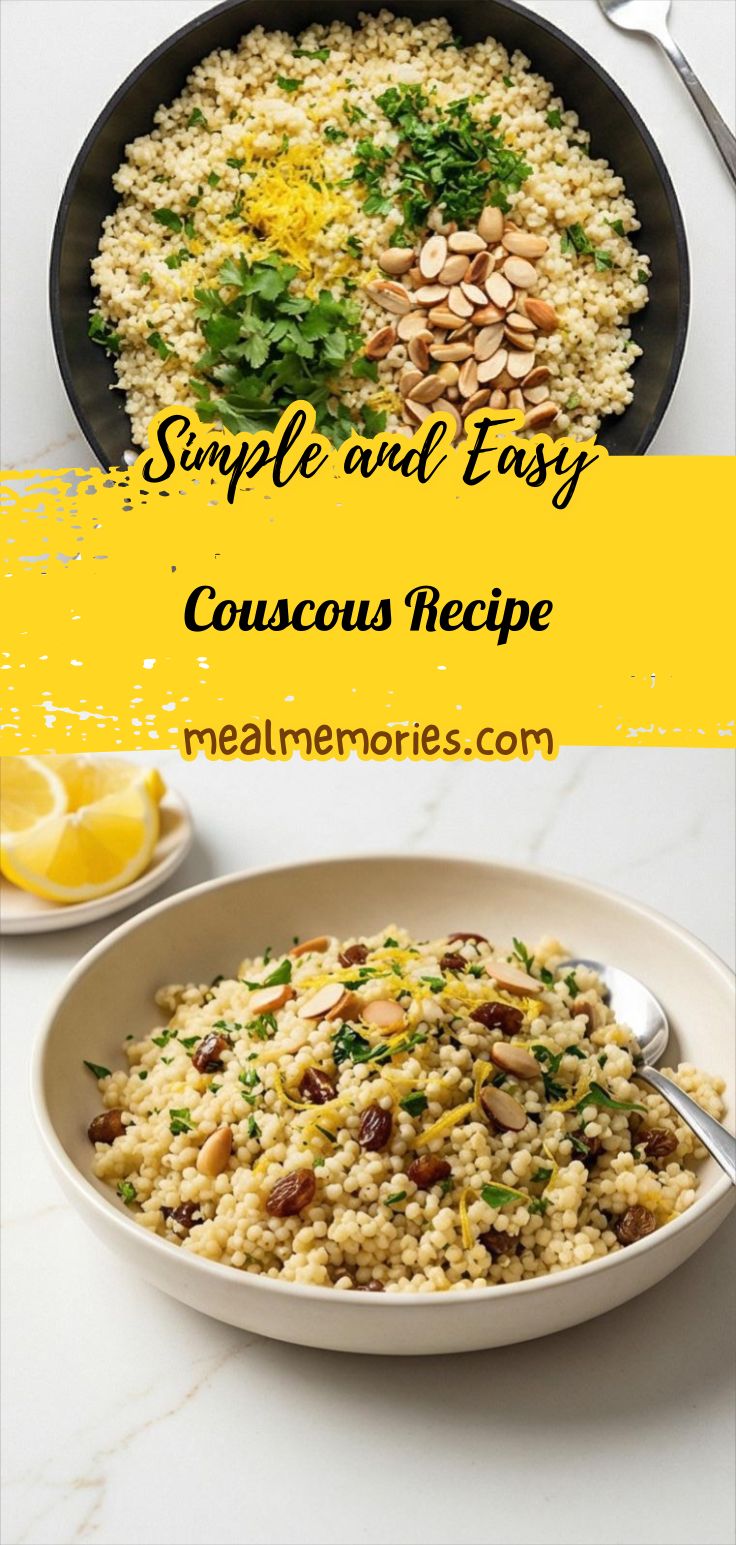
Fold in the finely grated lemon zest, chopped parsley and optional cilantro, and finish with freshly ground black pepper, tasting for salt and balancing as needed; the herbs should be evenly distributed, the zest lending tiny bright ribbons across the pale grains. If desired, transfer the warm couscous into a serving bowl, scatter toasted sliced almonds across the top for a delicate crunch, and arrange lemon wedges to the side for squeezing — a final composition of light, separated pearls flecked with green herbs, amber raisins, and pale toasted almonds.
Making It Your Own
I often experiment by swapping the golden raisins for chopped dried apricots and a pinch of smoked paprika for a subtle heat; it evokes a slightly different regional mood for the same base. For a winter version, fold in toasted pumpkin seeds and a handful of chopped roasted root vegetables to make the dish heartier. If you need a gluten-free alternative, try millet or quinoa with the same spiced broth and aromatics; the technique still works and the flavor remains familiar. For a vegan Couscous Recipe, replace butter with olive oil and use vegetable broth—the result is just as vivid and satisfying.
How to Serve
When hosting, I spoon the warm couscous into a shallow, wide bowl so the herbs and raisins sit on top and look inviting. For a family dinner, double the recipe and keep it in a warm oven-proof dish covered with foil; it holds nicely for about 20 to 30 minutes at low heat. Pair the couscous with roasted chicken, grilled fish, or a tagine; for a vegetarian spread, serve it alongside baba ganoush, roasted vegetables, and marinated olives. Add lemon wedges and a small bowl of extra toasted almonds at the table so guests can personalize each plate.
Storage and Reheating Tips
Store leftover Couscous Recipe in an airtight container in the refrigerator for up to 3 days. Cool it to room temperature before sealing to avoid condensation that can make the grains gummy.
To reheat, sprinkle a little water or broth over the couscous, cover, and microwave briefly, stirring halfway through, or warm it gently in a skillet with a teaspoon of olive oil to restore separation and a fresh texture. If it seems dry, a quick squeeze of lemon brightens the flavor and livens the dish.
Common Mistakes and How to Avoid Them
Over-salting is easy to do, especially if your broth is not low in sodium. Always taste the finished couscous and adjust salt at the end rather than adding too much up front. Also, avoid stirring the couscous while it steams; lifting the lid too soon can release steam and leave some grains undercooked.
Another frequent slip is using the wrong couscous. Israeli or pearl couscous has a different size and texture and needs different timing. Toasting the tiny Moroccan couscous briefly in oil enhances flavor and keeps the grains from clumping, so don’t skip that quick toasting step.
Conclusion: Try It Tonight
Give this Couscous Recipe a try tonight and see how a handful of spices, a little butter, and a quick steam can transform simple grains into something bright and memorable. It is quick, adaptable, and a lovely way to make weeknight meals feel special.
Frequently Asked Questions
- What kind of couscous should I use? – Use Moroccan-style couscous with small granules, not Israeli or pearl couscous.
- Can I make this Couscous Recipe vegan? – Yes, substitute the butter with extra-virgin olive oil and use vegetable broth.
- How do I keep couscous fluffy when reheating? – Add a splash of water or broth and warm gently in a skillet or microwave, then fluff with a fork.
- Can I prepare this ahead for a party? – Yes, make it earlier in the day, cool, refrigerate, and gently reheat with a little liquid before serving.
- What can I serve with this couscous? – It pairs well with roasted meats, grilled fish, tagines, or a mezze spread of salads and dips.
Couscous Recipe
Make this Couscous Recipe as a bright, fragrant side—quick, easy, and ready in about 20 minutes.
Ingredients
Instructions
Step 1: Bring the spiced broth to a full boil
Warm the pot: combine the low-sodium chicken or vegetable broth with the small cubes of unsalted butter, fine sea salt, ground cumin, ground coriander, and a whisper of ground cinnamon in a medium saucepan. Place it over heat and bring the mixture to a full, rolling boil, stirring occasionally so the butter melts into a glossy, aromatic broth — this concentrated, fragrant liquid is what will steam and season the couscous.
Step 2: Gently soften the aromatics in olive oil
Heat a tablespoon of extra-virgin olive oil in a wide skillet until shimmering and add the finely diced yellow onion and carrot. Cook, stirring frequently, until the onion is translucent and the carrot is tender but still bright, then stir in the minced garlic for just half a minute so it becomes fragrant without taking color; the result should be glossy, soft vegetables studded with tiny golden garlic flecks, the fragrant base that will coat each couscous grain.
Step 3: Toast the couscous and fold in the raisins
Add the dry Moroccan-style couscous directly into the skillet with the softened vegetables and stir constantly for a minute or two so each tiny granule becomes lightly toasted and coated in oil, taking on a gentle nutty scent. Stir in the golden raisins so they warm and begin to plump from residual heat — the pan should show evenly separated, slightly toasted granules with pockets of amber raisins and flecks of translucent onion and carrot.
Step 4: Add boiling spiced broth, steam, then fluff
Carefully pour the boiling spiced broth over the toasted couscous so every grain is submerged, then turn off the heat and cover the skillet tightly; let it sit undisturbed for ten minutes so the couscous absorbs the liquid and becomes tender. Remove the cover and, using a fork, gently fluff and lift the grains for a minute or two until the texture is airy and each granule separates cleanly — the surface should read as a light, cloud-like bed of tiny pearls threaded with softened vegetables and plumped raisins.
Step 5: Brighten, finish, and plate to serve
Fold in the finely grated lemon zest, chopped parsley and optional cilantro, and finish with freshly ground black pepper, tasting for salt and balancing as needed; the herbs should be evenly distributed, the zest lending tiny bright ribbons across the pale grains. If desired, transfer the warm couscous into a serving bowl, scatter toasted sliced almonds across the top for a delicate crunch, and arrange lemon wedges to the side for squeezing — a final composition of light, separated pearls flecked with green herbs, amber raisins, and pale toasted almonds.
Notes
- Use low-sodium broth so you can control the final salt level.
- Toast the couscous briefly in oil for better flavor and separation.
- Add a splash of water or broth when reheating to restore fluffiness.
- Swap golden raisins for dried apricots or cherries for variation.
- For a vegan version, replace butter with extra-virgin olive oil.