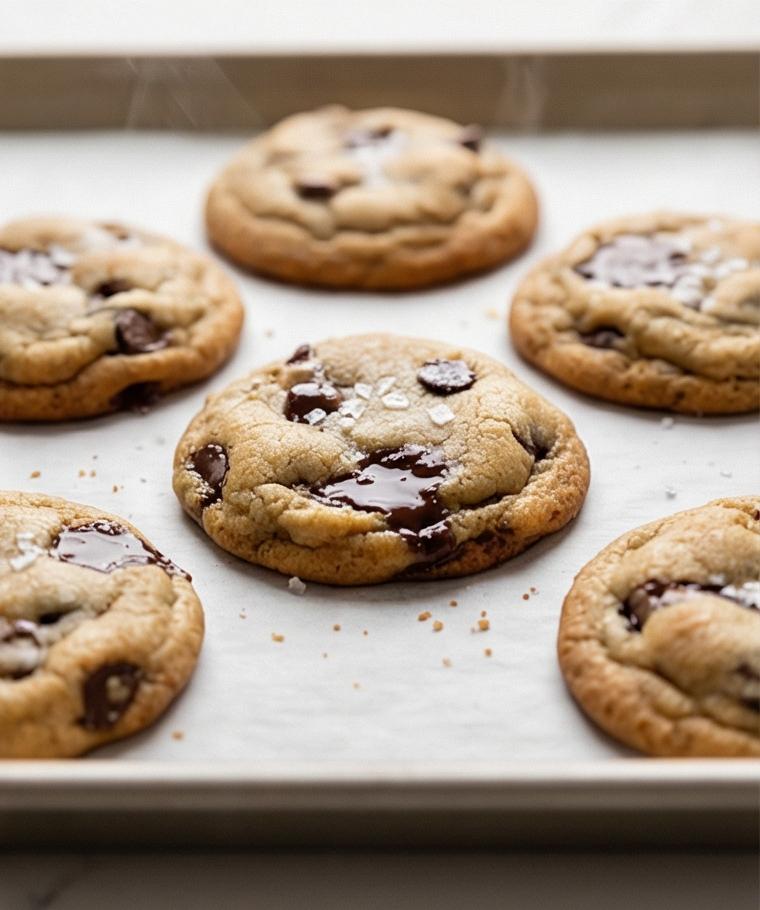
Carrot Cake Recipe has been a go-to in my kitchen for years, and I still get a little thrill every time I slice into that moist, spiced crumb topped with tangy cream cheese frosting. I make this Carrot Cake Recipe when friends drop by unexpectedly or when I want a baked treat that feels like a hug. The balance of warm spices, bright carrot, toasted nuts, and the silky frosting never gets old. If you love a cake that is generous, homey, and just a little bit nostalgic, this Carrot Cake Recipe will become one of your favorites too.
How This Recipe Became My Rainy-Day Favorite
I remember the first time I baked this cake on a gray Saturday when the power was flickering from wind and the kitchen smelled like cinnamon. The carrots grated into tiny ribbons, the walnuts toasted and popped a little louder in my memory, and the frosting came together silky and forgiving. I sliced a corner while the cake was still a little warm and watched the frosting soften then settle. It felt like when you put on an old sweater and it fits perfectly. That memory is why this cake is my rainy-day option: it warms the house, it comforts whoever is in it, and it makes ordinary moments feel special. Every time I make this Carrot Cake Recipe now, the same quiet contentment follows, and I find myself smiling just before the first forkful.
The Ingredients That Make It Sing
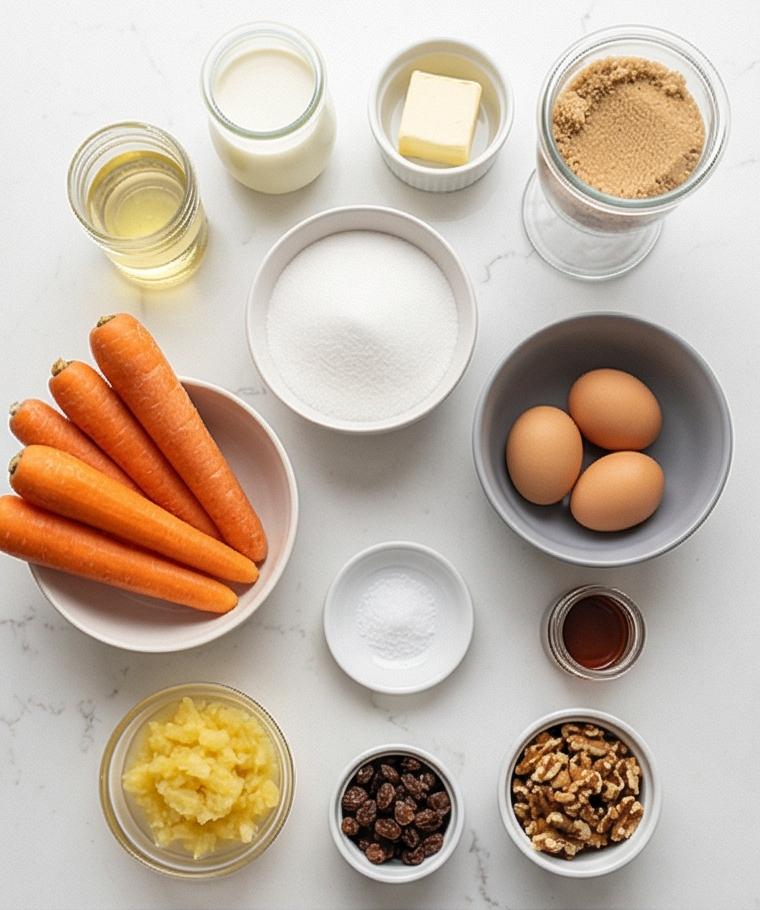
- Walnuts: Provide crunch and toasty flavor; pecans work well as a substitute. Pick fresh, firm nuts and toast them briefly to deepen their flavor.
- Carrots: The moisture and sweet earthiness are essential; use firm, fresh carrots and grate finely. You can swap part of the carrots for zucchini for a lighter take.
- All-Purpose Flour: Gives structure; cake flour will yield a tender crumb if you prefer softer cake.
- Oil and Eggs: Oil keeps the cake moist while eggs add lift and structure; use neutral oil like canola or sunflower and room-temperature eggs for best emulsification.
- Sugars and Spices: Brown sugar adds depth while cinnamon and nutmeg create the warm backbone; adjust spice levels to taste.
Essential Kitchen Tools and Why They Matter
A short list of well-chosen tools will make this recipe pleasant and predictable. Good tools help you control texture and timing, and you can often substitute when you don’t own the ideal item.
- 9×13-inch baking pan: Ensures the cake bakes in the time given; you can use two 9-inch round pans but adjust bake time slightly.
- Box grater or food processor shredding disk: A fine grate gives the carrot a tender texture; avoid coarse chunks that dry the cake.
- Mixing bowls and spatula: A flexible spatula lets you fold gently without overworking the batter; stainless bowls work well for whisking.
- Stand mixer or hand mixer: Helpful for a smooth, emulsified wet mix and silky frosting; vigorous whisking by hand also works.
- Offset spatula and wire rack: For smooth frosting and even cooling; a warm wiped knife makes clean slices.
Step-by-Step Preparation Guide.
Step 1: Preheat and Prepare the Pans
Preheat the oven to 350°F (175°C). Lightly grease a 9×13-inch rectangular baking pan with a tablespoon of softened unsalted butter, and if you like, line the bottom with a sheet of parchment paper that is also lightly buttered so the cake releases cleanly. Keep the greased pan nearby; this small bit of preparation makes the final unmolding effortless and keeps the rectangular geometry consistent through the process.
Step 2: Toast the Walnuts
Spread the walnut halves or pieces in a single layer on a baking sheet and toast in the preheated oven until fragrant and lightly golden, about 8–10 minutes, stirring once halfway. Remove and let cool completely on the sheet, then roughly chop the toasted nuts if they aren’t already in pieces. Reserve a small handful of the toasted pieces for garnish so the toasty crunch is visible on the finished cake.
Step 3: Peel, Grate, and Prep the Add-Ins
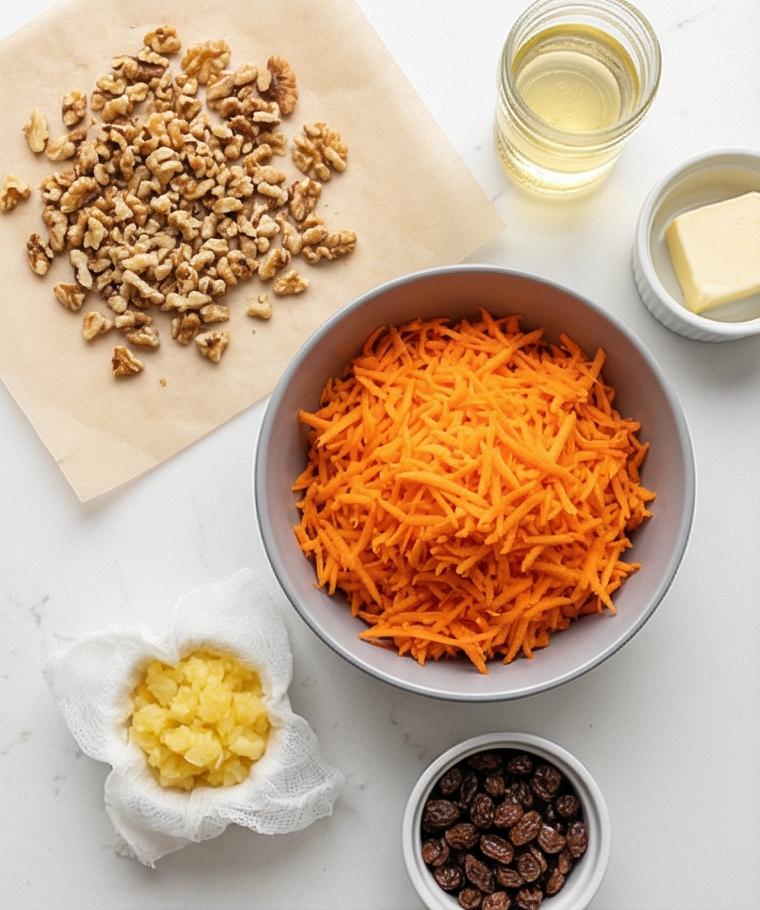
Peel the carrots and finely grate them using the small holes of a box grater or a fine shredding disk; measure about 3 firmly packed cups (≈330 g) of bright orange, finely textured grated carrot. If using crushed pineapple, drain thoroughly and squeeze out excess moisture in a towel; if using raisins, briefly rehydrate in hot water for 5 minutes and pat dry. Gather the prepped grated carrots, drained pineapple, raisins, and the cooled toasted walnuts in separate small bowls so they are ready to fold into the batter.
Step 4: Whisk the Dry Ingredients
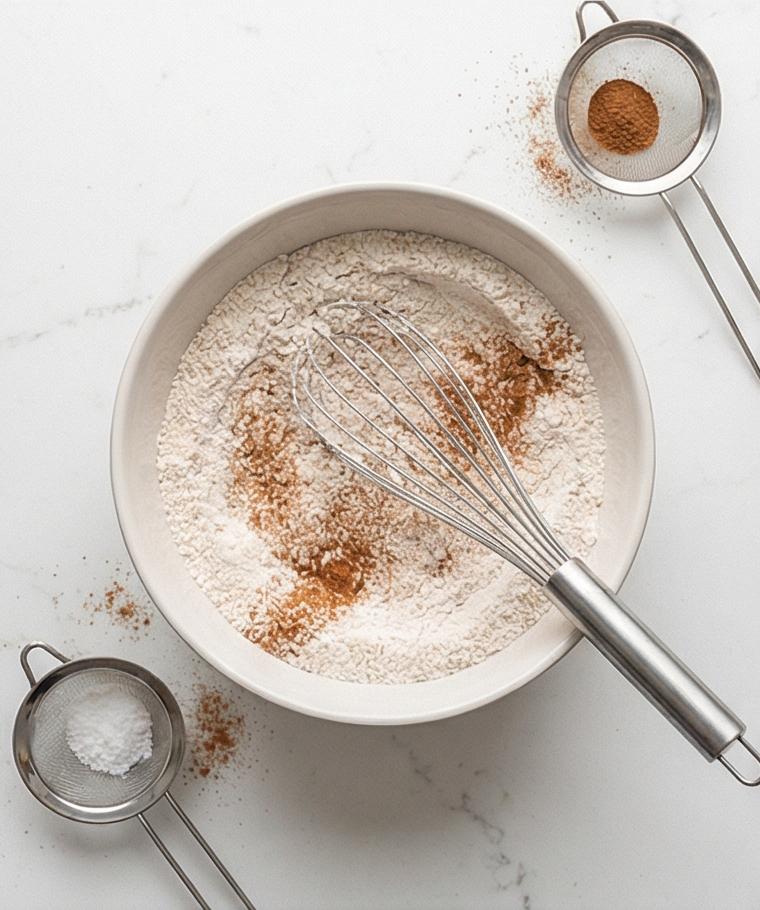
In a medium mixing bowl, whisk together the all-purpose flour, baking powder, baking soda, fine sea salt, ground cinnamon, ground ginger, freshly grated nutmeg, and ground cloves (if using). Whisk until the mixture is uniform and the spices are evenly distributed—this dry blend should be pale, powdery, and aromatically spiced with tiny pinpricks of nutmeg and cinnamon. Set the bowl aside for easy folding with the wet mixture.
Step 5: Emulsify the Wet Ingredients
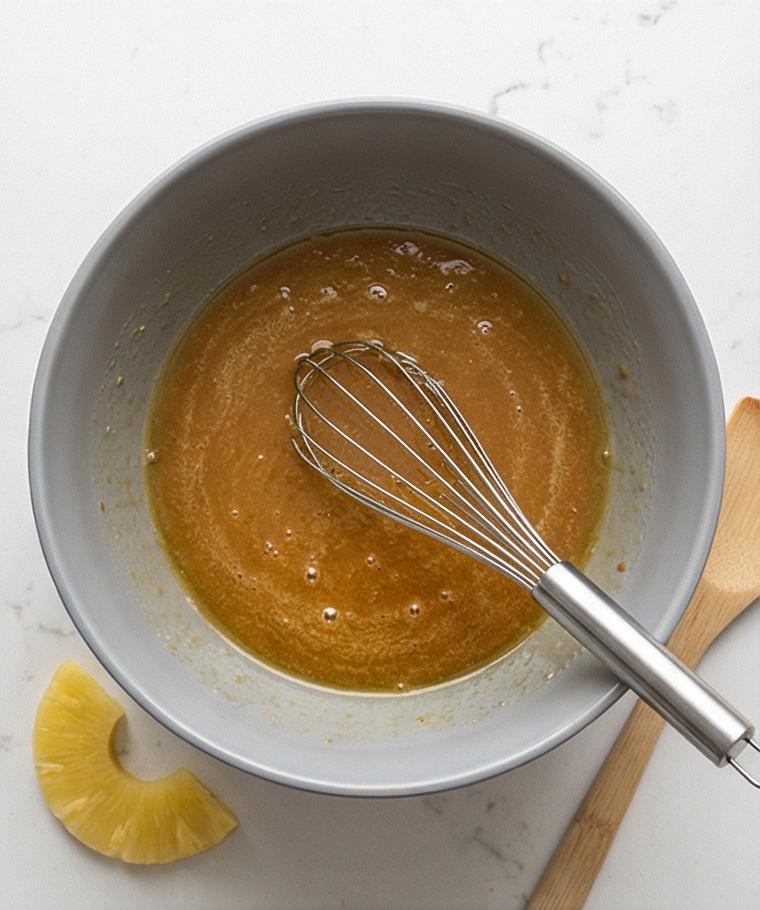
In a large matte-grey mixing bowl, combine the room-temperature vegetable oil, eggs, packed light brown sugar, granulated sugar, and vanilla extract. Whisk vigorously (by hand or with a mixer) until the mixture is smooth, slightly thickened, and fully emulsified—no visible streaks of egg, and the sugars mostly dissolved into a glossy, amber-tinted batter base. If using crushed pineapple, fold it into this wet mixture now so its moisture integrates evenly.
Step 6: Combine Wet and Dry Gently
Add the dry flour-and-spice mixture to the wet mixture in two to three additions, folding gently with a flexible spatula or on low mixer speed. Work just until no visible pockets of dry flour remain—scrape the sides and bottom so everything is evenly incorporated. The goal is a thick, cohesive batter that still feels airy; overmixing will tighten the crumb.
Step 7: Fold in Carrots, Nuts, and Raisins; Transfer to Pan
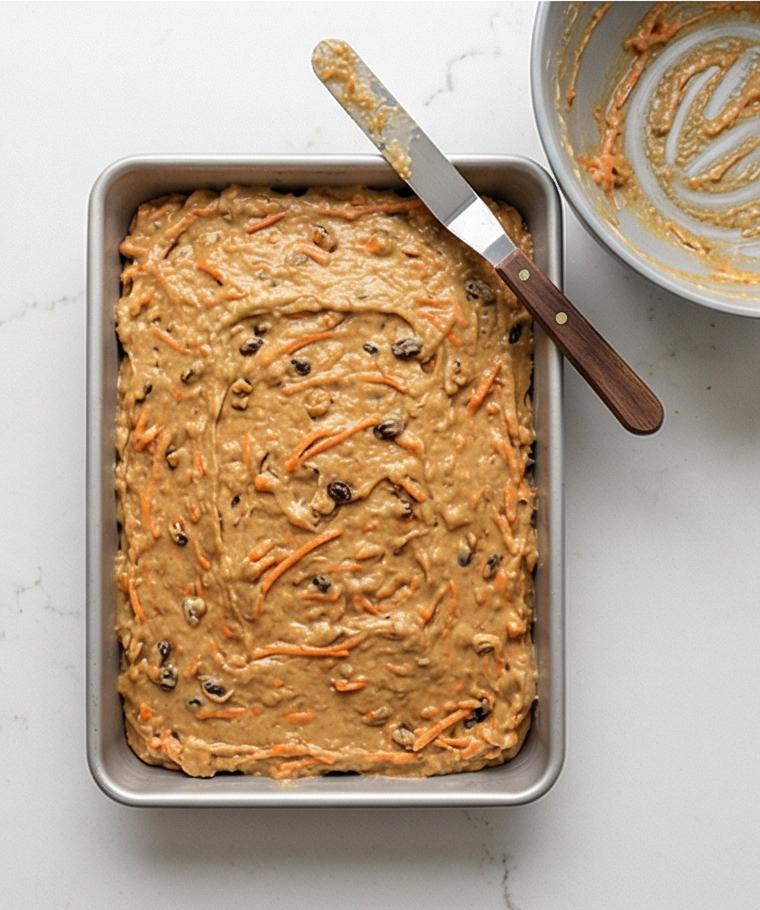
Fold the finely grated carrots, the cooled chopped toasted walnuts (hold back some for garnish), and the raisins (if using) into the batter until they are evenly distributed—look for thin orange strands and dark raisin flecks suspended throughout a thick, textured batter. Scrape the batter into the prepared 9×13-inch pan with an offset spatula, smooth the top into an even layer, and tap the pan firmly on the counter 2–3 times to release air bubbles. The batter should be visibly studded with carrots and walnuts and should hold its shape in the rectangular pan.
Step 8: Bake and Cool Completely
Bake in the preheated oven until the top is set and springy and a toothpick inserted into the center comes out with a few moist crumbs but no wet batter—about 30–35 minutes for a 9×13 pan. Remove to a wire rack and let the cake cool completely in the pan, about 1½ hours; cooling fully is essential so the cream cheese frosting won’t melt when applied.
Step 9: Make the Cream Cheese Frosting
While the cake cools, beat the room-temperature unsalted butter until smooth, then beat in the room-temperature cream cheese until the mixture is glossy and without lumps. Add fine sea salt and half of the sifted powdered sugar, blend on low to start, then add the remainder until the frosting is thick and creamy. Stir in vanilla and 2–3 tablespoons of heavy cream or milk until the frosting is smooth, silky, and spreadable; adjust with a teaspoon of cream at a time if needed.
Step 10: Frost, Garnish, and Serve
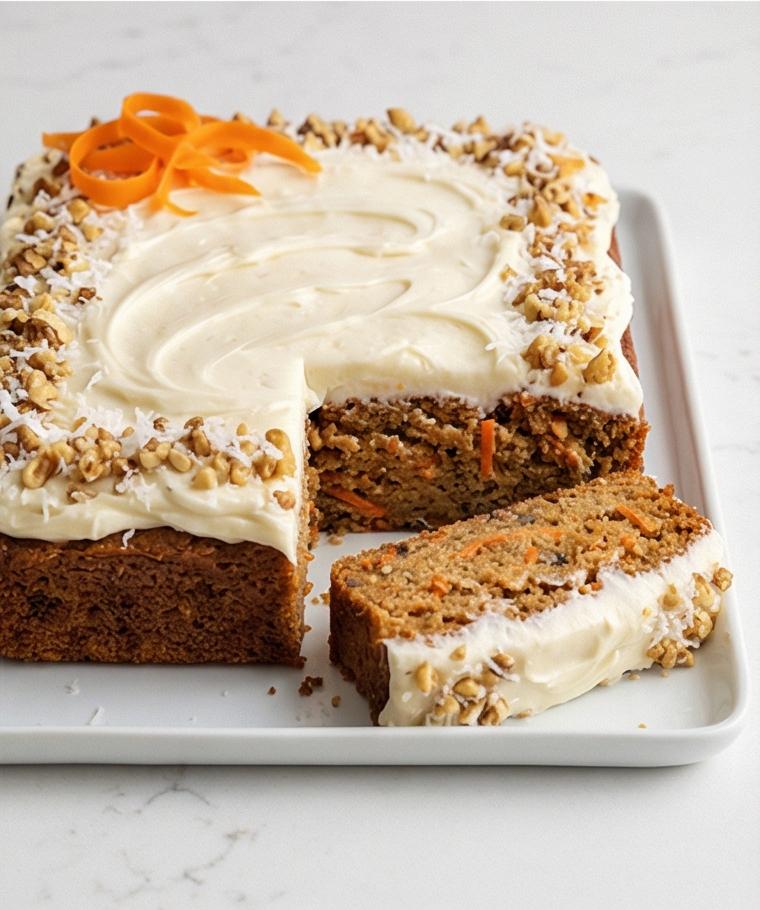
Spread the cream cheese frosting evenly over the completely cooled rectangular cake using an offset spatula, creating gentle swirls or a smooth top. Sprinkle the reserved toasted walnut pieces around the edges and a light scattering of unsweetened shredded coconut; finish with a few delicate carrot ribbons or a pinch of extra finely grated carrot for color. Allow the frosted cake to sit at room temperature for 20–30 minutes before slicing into clean rectangular pieces using a warm, wiped knife. Refrigerate leftovers in an airtight container for up to five days.
Making It Your Own
I love experimenting with this cake and twisting it to suit mood and season. For a lighter version, swap half the oil for unsweetened applesauce and skip the raisins; the cake stays moist and you lose a little richness. For a tropical twist, stir in a bit more drained crushed pineapple and swap walnuts for toasted macadamia nuts or coconut flakes. If you need it gluten free, use a cup-for-cup gluten-free flour blend and treat the batter gently.
Try regional spins like adding orange zest and a splash of Grand Marnier for a brighter profile, or fold in grated ginger for more spice. Each small change teaches you how the cake behaves and what balance you prefer.
How to Serve
If I’m hosting, I often slice the Carrot Cake Recipe into neat rectangles and plate them with a small salad of mint and orange segments to cut the sweetness. For a casual tea, serve squares on a single platter and let guests help themselves. To scale up for a crowd, double the recipe and bake in two pans or a sheet pan, keeping slices uniform by using a ruler when cutting.
For a dessert course, place a spoonful of lightly whipped cream or a drizzle of reduced orange syrup alongside each slice. For kids’ birthday parties, decorate with extra carrot ribbons and whole walnut halves around the edge for a homey look. Warm slices briefly in a low oven or microwave for 15 seconds if you want the frosting to soften slightly.
Storage and Reheating Tips
Store the frosted Carrot Cake Recipe in an airtight container in the refrigerator. It keeps beautifully for up to five days and actually tastes more melded after a day or two as the flavors settle.
To freeze, wrap individual slices tightly in plastic wrap and place in a freezer bag for up to three months. Thaw overnight in the fridge and bring to room temperature before serving for the best texture.
For reheating, a quick 8 to 12 second zap in the microwave brings the cake to a pleasantly soft temperature; avoid overheating so the frosting does not break.
Common Baking Mistakes and How to Avoid Them
One frequent mistake is overmixing the batter. Work gently when you combine wet and dry ingredients; overmixing tightens gluten and gives a dense crumb. Fold until just combined and you will keep a tender cake.
Another pitfall is frosting too soon. If the cake is even slightly warm, the cream cheese frosting will melt and slide. Cool completely in the pan, then chill briefly if needed so the frosting spreads smoothly.
Final Thoughts and an Invitation
This Carrot Cake Recipe is forgiving, generous, and full of familiar flavors. Give it a try this weekend and see how small tweaks make it your own. I hope it becomes a recipe you reach for when you want something cozy, shareable, and reliably delicious.
Frequently Asked Questions.
-
Q: Can I make this Carrot Cake Recipe into cupcakes?
A: Yes, use a standard-size muffin tin, fill liners two thirds full, and bake for about 18-22 minutes; check with a toothpick. -
Q: Can I skip the walnuts?
A: Absolutely. Substitute toasted sunflower seeds for a nut-free crunch or omit them for a simpler texture. -
Q: How do I prevent a soggy cake if I use crushed pineapple?
A: Drain the pineapple very well and squeeze out excess moisture in a towel before folding it in so the batter does not become overly wet. -
Q: Can I make the frosting ahead of time?
A: Yes, prepare and chill the cream cheese frosting up to two days in advance; bring it to room temperature and rewhip briefly before spreading. -
Q: Will this recipe work gluten free?
A: Use a cup-for-cup gluten-free flour blend and avoid overmixing; the texture may be slightly different but still delicious.
Carrot Cake Recipe
Bake a moist Carrot Cake Recipe with spiced batter and cream cheese frosting for a crowd-pleasing dessert.
Ingredients
Instructions
Step 1: Preheat and Prepare the Pans
Preheat the oven to 350°F (175°C). Lightly grease a 9×13-inch rectangular baking pan with a tablespoon of softened unsalted butter, and if you like, line the bottom with a sheet of parchment paper that is also lightly buttered so the cake releases cleanly. Keep the greased pan nearby; this small bit of preparation makes the final unmolding effortless and keeps the rectangular geometry consistent through the process.
Step 2: Toast the Walnuts
Spread the walnut halves or pieces in a single layer on a baking sheet and toast in the preheated oven until fragrant and lightly golden, about 8–10 minutes, stirring once halfway. Remove and let cool completely on the sheet, then roughly chop the toasted nuts if they aren’t already in pieces. Reserve a small handful of the toasted pieces for garnish so the toasty crunch is visible on the finished cake.
Step 3: Peel, Grate, and Prep the Add-Ins
Peel the carrots and finely grate them using the small holes of a box grater or a fine shredding disk; measure about 3 firmly packed cups (≈330 g) of bright orange, finely textured grated carrot. If using crushed pineapple, drain thoroughly and squeeze out excess moisture in a towel; if using raisins, briefly rehydrate in hot water for 5 minutes and pat dry. Gather the prepped grated carrots, drained pineapple, raisins, and the cooled toasted walnuts in separate small bowls so they are ready to fold into the batter.
Step 4: Whisk the Dry Ingredients
In a medium mixing bowl, whisk together the all-purpose flour, baking powder, baking soda, fine sea salt, ground cinnamon, ground ginger, freshly grated nutmeg, and ground cloves (if using). Whisk until the mixture is uniform and the spices are evenly distributed—this dry blend should be pale, powdery, and aromatically spiced with tiny pinpricks of nutmeg and cinnamon. Set the bowl aside for easy folding with the wet mixture.
Step 5: Emulsify the Wet Ingredients
In a large matte-grey mixing bowl, combine the room-temperature vegetable oil, eggs, packed light brown sugar, granulated sugar, and vanilla extract. Whisk vigorously (by hand or with a mixer) until the mixture is smooth, slightly thickened, and fully emulsified—no visible streaks of egg, and the sugars mostly dissolved into a glossy, amber-tinted batter base. If using crushed pineapple, fold it into this wet mixture now so its moisture integrates evenly.
Step 6: Combine Wet and Dry Gently
Add the dry flour-and-spice mixture to the wet mixture in two to three additions, folding gently with a flexible spatula or on low mixer speed. Work just until no visible pockets of dry flour remain—scrape the sides and bottom so everything is evenly incorporated. The goal is a thick, cohesive batter that still feels airy; overmixing will tighten the crumb.
Step 7: Fold in Carrots, Nuts, and Raisins; Transfer to Pan
Fold the finely grated carrots, the cooled chopped toasted walnuts (hold back some for garnish), and the raisins (if using) into the batter until they are evenly distributed—look for thin orange strands and dark raisin flecks suspended throughout a thick, textured batter. Scrape the batter into the prepared 9×13-inch pan with an offset spatula, smooth the top into an even layer, and tap the pan firmly on the counter 2–3 times to release air bubbles. The batter should be visibly studded with carrots and walnuts and should hold its shape in the rectangular pan.
Step 8: Bake and Cool Completely
Bake in the preheated oven until the top is set and springy and a toothpick inserted into the center comes out with a few moist crumbs but no wet batter—about 30–35 minutes for a 9×13 pan. Remove to a wire rack and let the cake cool completely in the pan, about 1½ hours; cooling fully is essential so the cream cheese frosting won’t melt when applied.
Step 9: Make the Cream Cheese Frosting
While the cake cools, beat the room-temperature unsalted butter until smooth, then beat in the room-temperature cream cheese until the mixture is glossy and without lumps. Add fine sea salt and half of the sifted powdered sugar, blend on low to start, then add the remainder until the frosting is thick and creamy. Stir in vanilla and 2–3 tablespoons of heavy cream or milk until the frosting is smooth, silky, and spreadable; adjust with a teaspoon of cream at a time if needed.
Step 10: Frost, Garnish, and Serve
Spread the cream cheese frosting evenly over the completely cooled rectangular cake using an offset spatula, creating gentle swirls or a smooth top. Sprinkle the reserved toasted walnut pieces around the edges and a light scattering of unsweetened shredded coconut; finish with a few delicate carrot ribbons or a pinch of extra finely grated carrot for color. Allow the frosted cake to sit at room temperature for 20–30 minutes before slicing into clean rectangular pieces using a warm, wiped knife. Refrigerate leftovers in an airtight container for up to five days.
Notes
- Use room-temperature eggs and dairy for a smooth, emulsified batter and frosting.
- Toast nuts lightly to intensify flavor and add crunch; reserve some for garnish.
- Cool the cake completely before frosting to prevent melting and sliding.