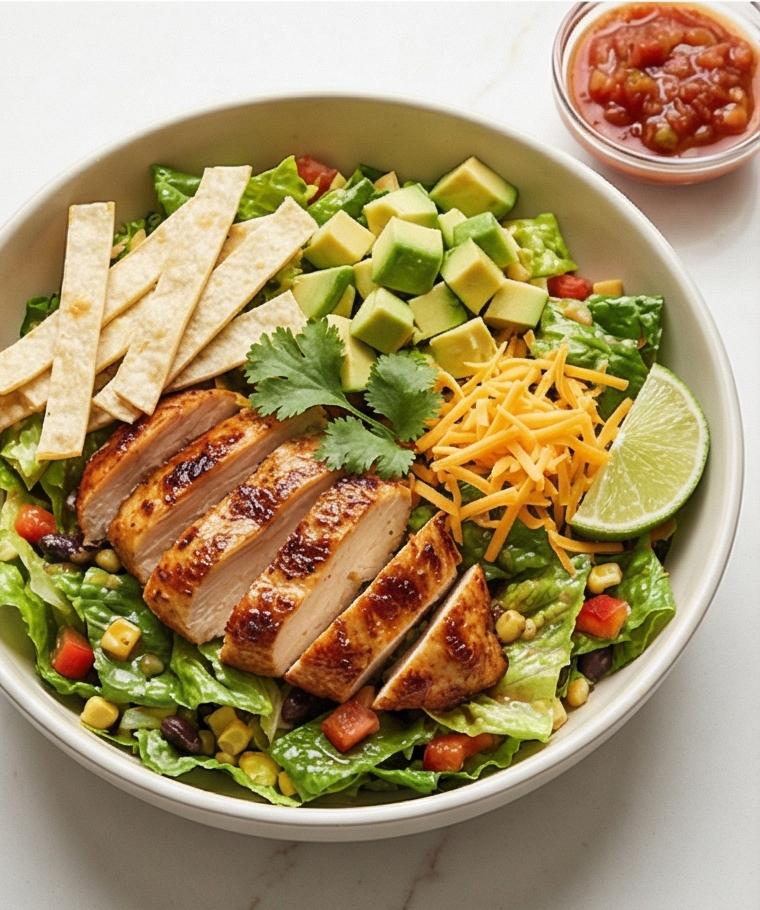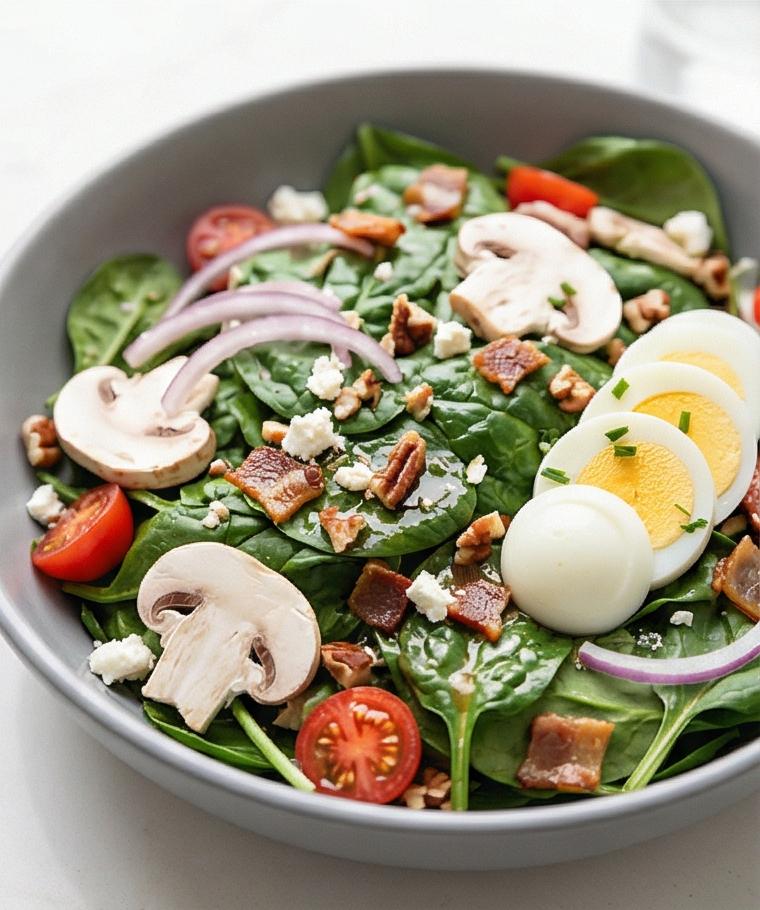
Caprese Salad Recipe is one of those dishes I turn to when I want something that feels elegant but is completely relaxed to make. I first learned this version after tasting a friend’s backyard dinner, and the balance of juicy tomatoes, creamy mozzarella, and glossy balsamic hooked me instantly. I love how the Caprese Salad Recipe highlights a few excellent ingredients and asks very little in return. It’s a recipe that makes you slow down, slice carefully, and savor simple things together.
How This Recipe Became My Summer Table Ritual
The first time I made this Caprese Salad Recipe for company, a thunderstorm rolled in and everyone crowded onto the covered porch. The sound of rain and warm plateware made the moment sticky and intimate. I remember the tomatoes glistening like little rubies and the mozzarella giving slightly when I pressed it with my fork. The basil scent rose up every time someone leaned in to taste. People were quiet at first, then smiling, then debating whether to drizzle more balsamic. That evening stuck with me because the salad did exactly what it should: it turned a few simple ingredients into a small celebration. Now whenever I slice tomatoes and tear basil, I get a flash of that porch, the cooling air, and friends chatting by lantern light.
Primary Ingredients and Why They Matter
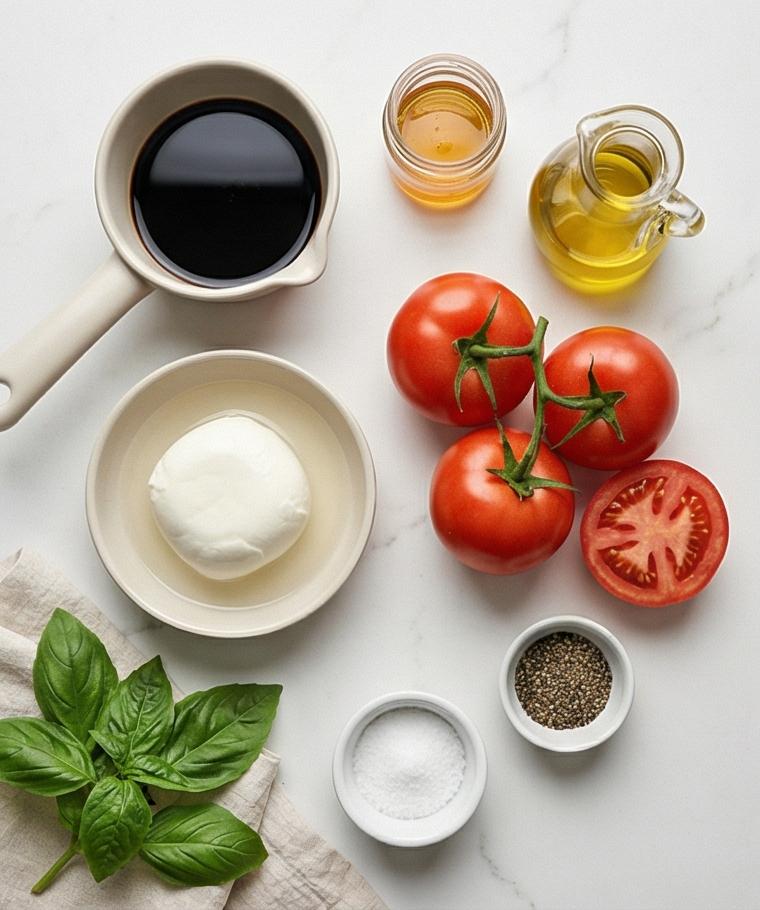
- Balsamic Vinegar: The flavor anchor; reduces to a syrup for concentrated sweet-tart notes. Substitute a store-bought glaze if short on time. Choose good quality but avoid ultra-cheap varieties.
- Tomatoes: Provide juicy acidity and texture. Ripe vine-ripened or heirloom are ideal; if unavailable, use tomatoes on the firmer side but fully colored.
- Fresh Mozzarella: Brings creamy richness and a cooling contrast. Whole-milk mozzarella is best; burrata is a luxurious swap.
- Basil: Brightness and aroma. Use fresh leaves only; dried basil will not work here.
- Extra-virgin Olive Oil: Adds silk and mouthfeel. Choose a fruity, balanced oil.
Essential Kitchen Tools You’ll Want
To make this Caprese Salad Recipe with minimal fuss, a few simple tools help everything come together cleanly. A sharp chef’s knife gives neat tomato and mozzarella slices, while a small heavy-bottomed saucepan makes the balsamic reduction easier to control. A wide, shallow serving platter shows off the layers, and a paper towel or clean kitchen towel helps dry the cheese. If you don’t have a saucepan, a small nonstick skillet works for reducing the vinegar. No platter? Use a large plate or wooden board. A small spoon or squeeze bottle helps you drizzle oil and reduction precisely so each bite gets balanced flavor.
Step-by-Step Preparation Guide
Step 1: Reduce the balsamic into a glossy syrup
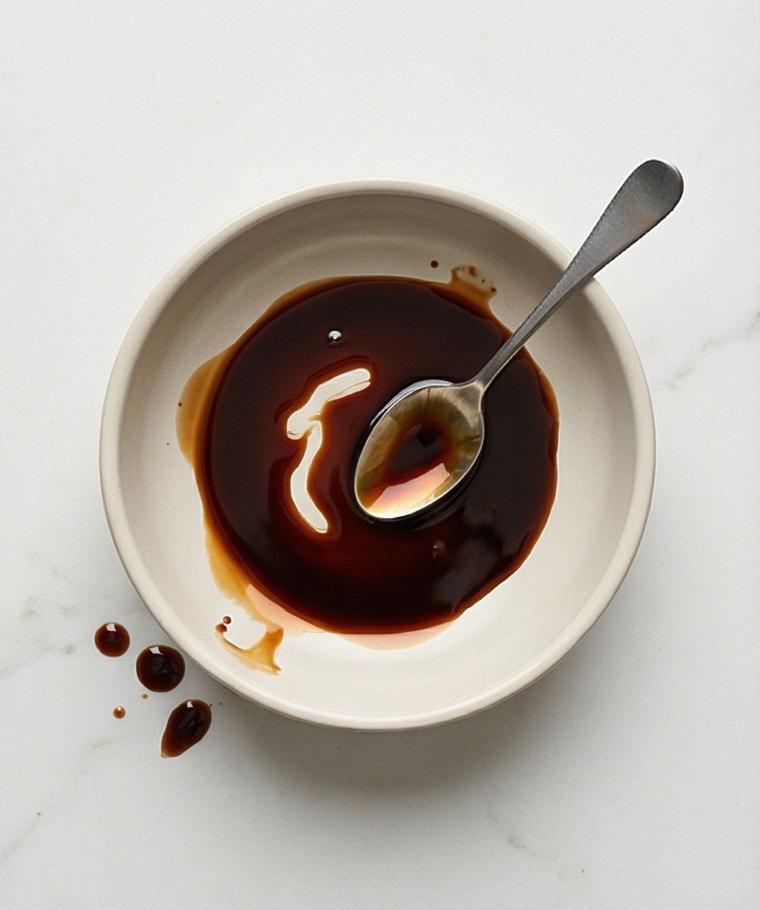
Begin by gently reducing the balsamic vinegar with the optional teaspoon of honey in a small, light-colored saucepan until it becomes a thick, syrupy glaze that lightly coats the back of a spoon. Keep the heat moderate so it simmers gently, stir occasionally to avoid scorching, then transfer the warm reduction into a heatproof light bowl and let it cool to a pourable, glossy syrup — viscous, dark mahogany with slow-moving ribbons. This is the concentrated flavor anchor for the salad, glossy and syrup-like, ready to be used sparingly.
Step 2: Slice and stage the tomatoes and mozzarella
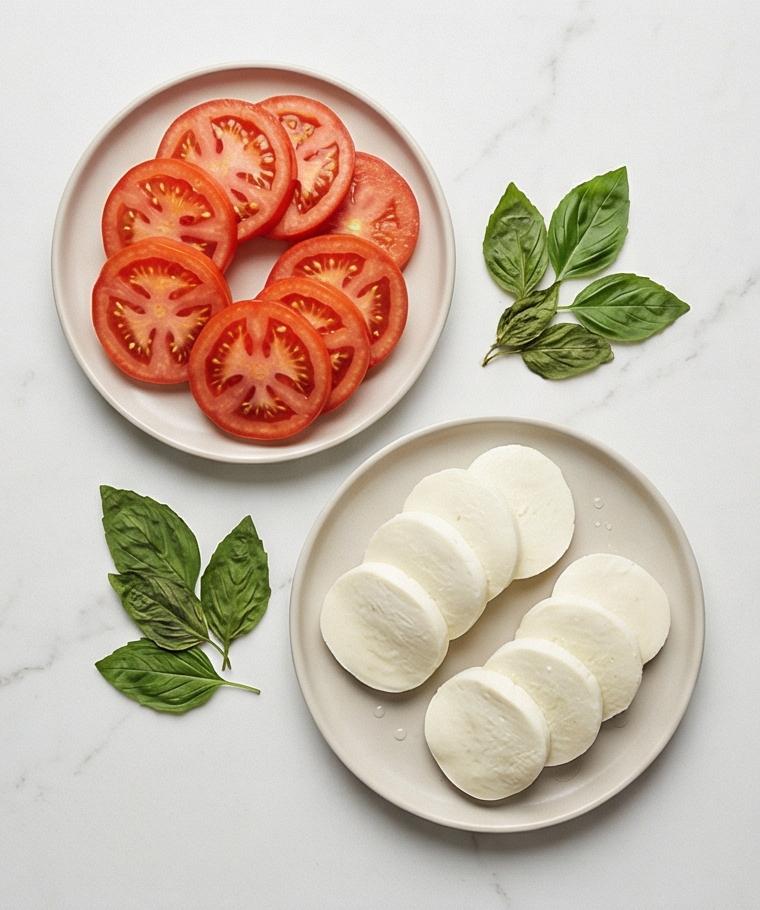
Rinse and dry ripe tomatoes, core them and slice into neat 6 mm rounds; drain the fresh mozzarella, pat thoroughly to remove surface moisture, and slice it to match the tomato rounds. Arrange the components separately on the surface — a shallow matte plate of tomato rounds with visible seeded flesh and moist, glistening cut faces; a matching plate of creamy, even mozzarella rounds with soft, slightly yielding texture; and a small pile of fully dried basil leaves, their veins and matte green surface clearly visible. This staged mise en place highlights texture contrasts — the juicy, translucent tomato flesh next to the soft, satin mozzarella.
Step 3: Layer the slices into the Caprese composition
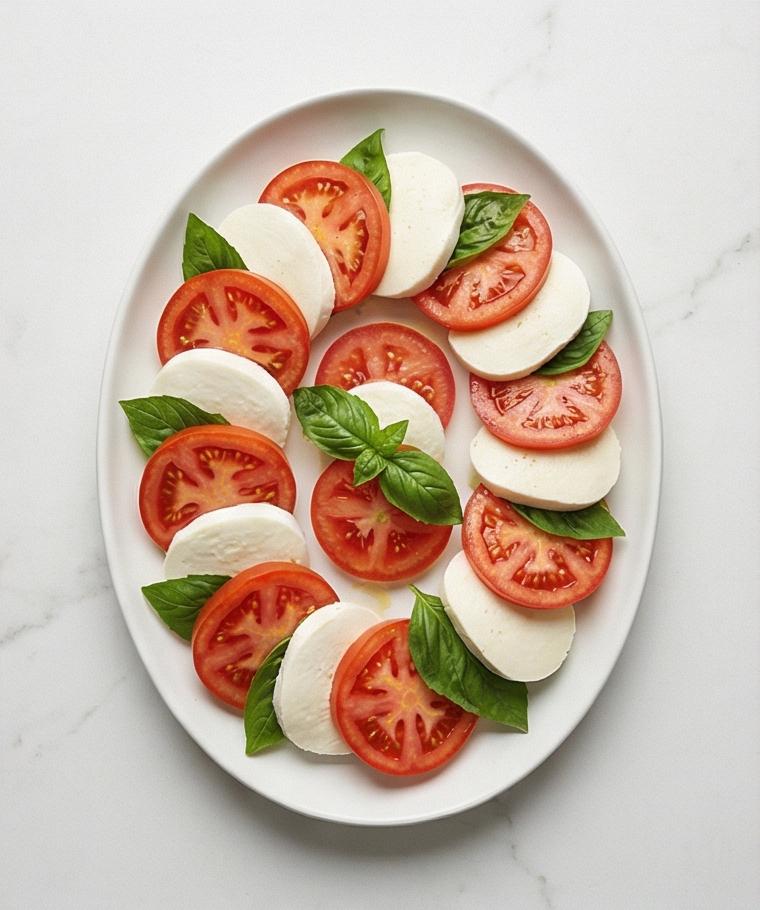
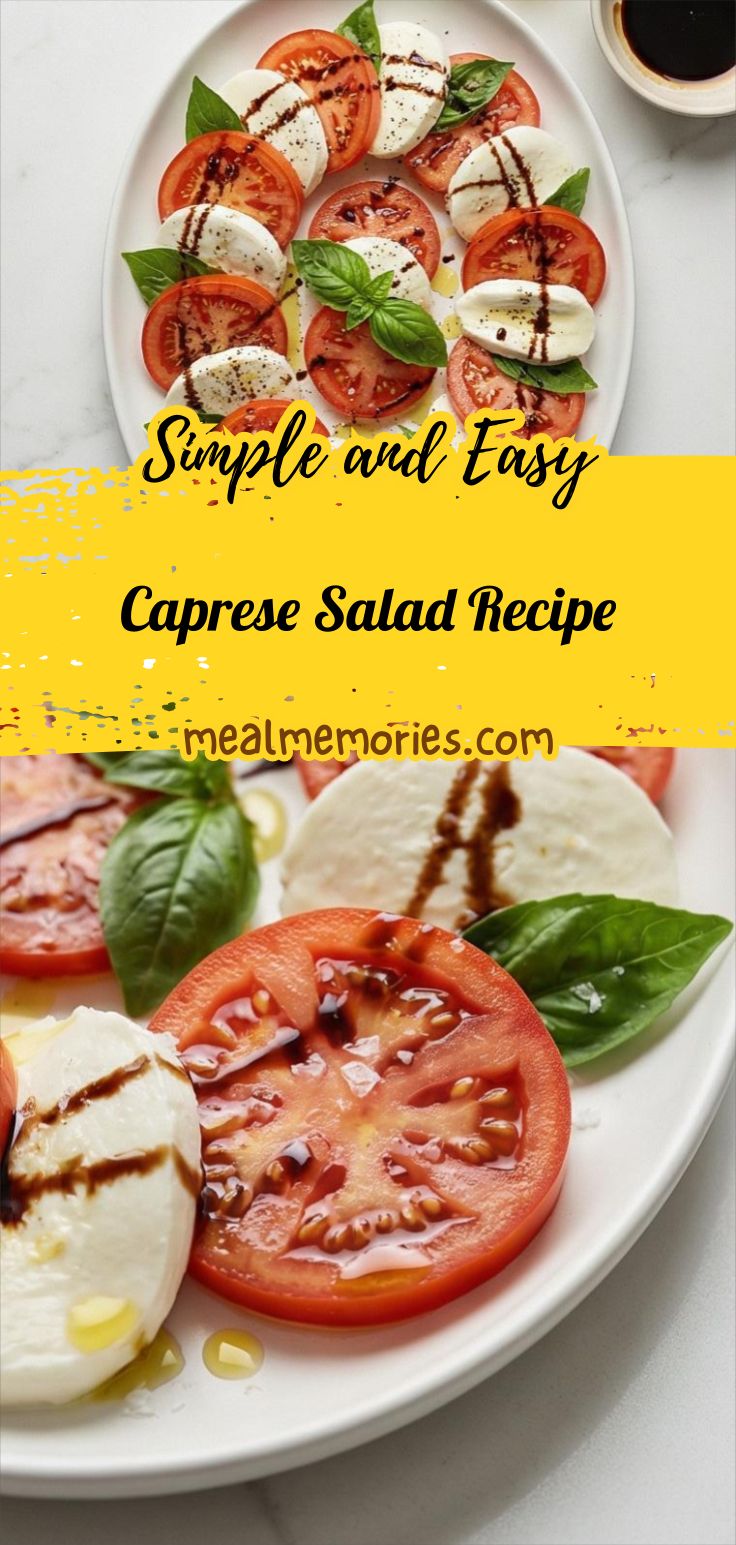
On a large, low matte white oval serving platter, alternate tomato and mozzarella slices in a circular pattern or slightly overlapping straight line so each slice kisses the next; tuck whole or gently torn basil leaves between and on top of the slices. The top-down composition emphasizes repeating geometry — glossy tomato cut faces, pillows of mozzarella, and scattered flat basil leaves — creating rhythm and negative space on the bright quartz background while keeping the platter as the unifying vessel.
Step 4: Dress, season, and finish the assembly
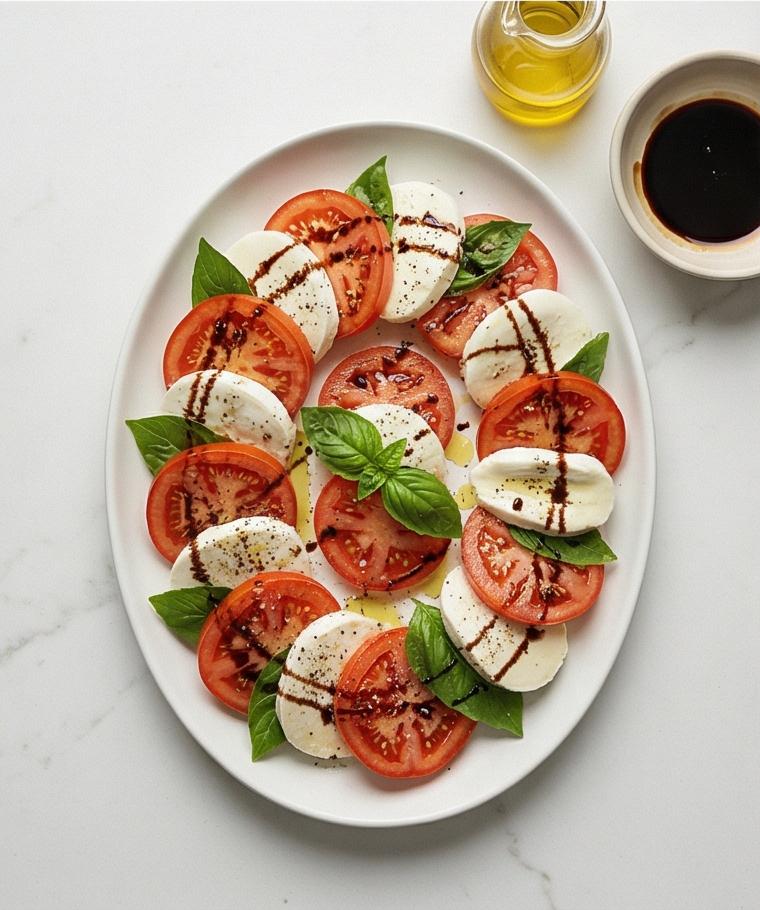
Evenly drizzle the assembled slices with high-quality extra-virgin olive oil in a soft, luminous ribbon, then grind a fine dusting of black pepper and a measured sprinkle of fine sea salt across the platter. Add thin, controlled streams of the cooled balsamic reduction (or a store-bought glaze) in fine lines, and finish with a few pinches of flaky sea salt concentrated on the tomato faces for crunch. Arrange the small cruet of oil and the bowl of reduction nearby as companions — all still on the same Calacatta-like quartz surface — so the dressing and finishing textures (shiny oil, syrupy reduction, crystalline flake) are showcased top-down.
Step 5: Rest and present the final close-up capture
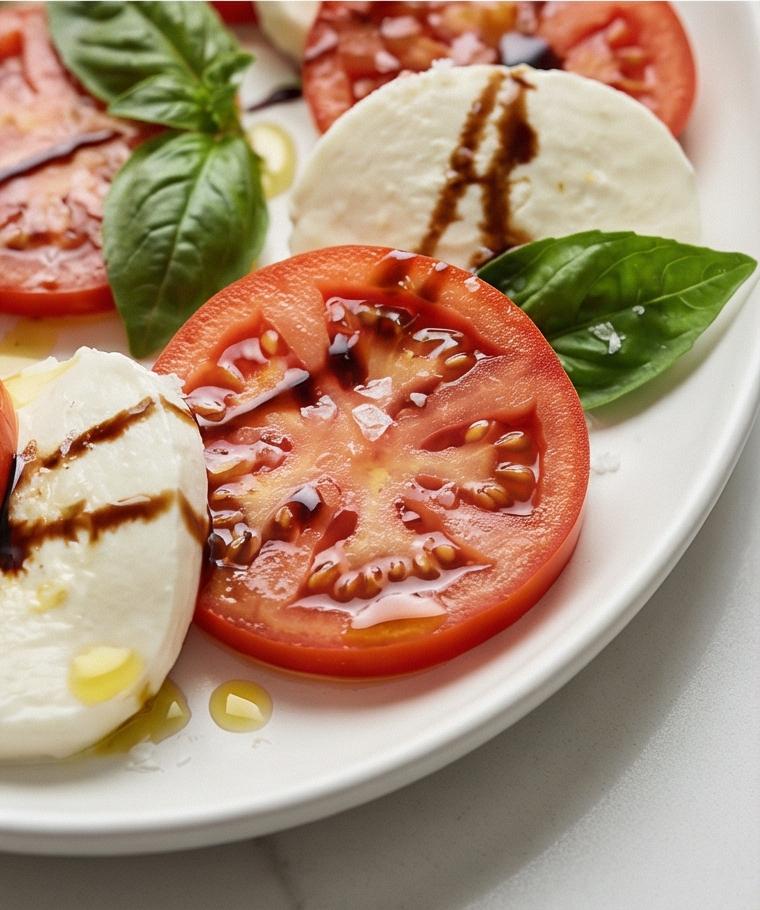
Let the salad rest briefly at room temperature so oils settle and flavors meld, then present the final dish on the same matte white oval platter. Capture an eye-level very close-up view that celebrates the sensory details: the juicy tomato cross-sections, the soft tear of mozzarella, viscous threads of balsamic glaze, glistening droplets of olive oil, and sparkling shards of flaky sea salt balanced against vivid basil leaves — all on the honed, lightly veined quartz surface.
Making It Your Own
I like to experiment seasonally: in late summer I let heirloom tomatoes steal the show; in early spring I sometimes add thin slices of ripe peach for a sweet twist. For a vegetarian crowd that’s leaning richer, swap mozzarella for burrata and serve with torn ciabatta. If you need a dairy-free version, use thick slices of grilled eggplant or marinated tofu for texture and a smoky edge. For a regional twist, dot with olives and capers and call it a Mediterranean riff. Tiny changes like lemon zest or toasted pine nuts can also make the salad feel new without losing what makes a Caprese special.
How to Serve
When I host, I assemble the Caprese Salad Recipe about 15 minutes before people sit down so everything is at a friendly room temperature. For a small dinner, serve the salad as the first course on individual plates with a slice of crusty bread. For a larger gathering, lay it out on one long platter and let guests help themselves; add extra bowls of oil and reduction on the side. If you want to stretch portions, slice the tomatoes thinner or pair the salad with grilled vegetables or a simple bean salad to make the meal more filling. A chilled white wine or dry rosé pairs beautifully.
Storage and Reheating Tips
This salad is best enjoyed fresh, but you can store certain components separately. Refrigerate the balsamic reduction in a sealed jar and it will keep for up to a week. Keep sliced tomatoes and mozzarella in separate airtight containers for a day, but expect the tomatoes to lose a bit of their texture.
When you reassemble, bring the cheese and tomatoes back to room temperature for 20 to 30 minutes to recover some flavor and softness. Do not try to reheat this salad; heat will flatten the delicate textures and aromatics.
Common Mistakes and How to Avoid Them
The most common slip is using cold cheese straight from the fridge. It dulls the flavor and makes the mozzarella firmer than you want. Let the cheese sit at room temperature before slicing.
Another mistake is over-reducing the balsamic or using a poor-quality olive oil. Taste as you go and stop when the reduction lightly coats a spoon. Choose an olive oil that tastes good on its own so it lifts the whole plate.
Let’s Make This
I hope this Caprese Salad Recipe gives you the same simple joy it gives me. It rewards good ingredients and a gentle hand, and it’s the kind of dish you can make a little differently every time and still be delighted. Give it a try at your next relaxed meal and notice how something so simple can be so satisfying.
Frequently Asked Questions.
- Q: Can I make the balsamic reduction ahead of time? A: Yes, make it up to a week ahead and store in a sealed jar in the fridge; warm slightly before using if it thickens.
- Q: What if I cannot find fresh mozzarella? A: Use burrata for a creamier feel or a high-quality ball of mozzarella; avoid low-fat versions which are rubbery.
- Q: Can I prepare this salad for a crowd? A: Absolutely. Slice thinner to stretch servings and serve on one long platter with extra oil and reduction on the side.
- Q: Is there a dairy-free option? A: Try grilled eggplant or marinated tofu slices as a savory, dairy-free stand-in for mozzarella.
- Q: How do I keep tomatoes from getting soggy? A: Use ripe but firm tomatoes and salt lightly just before serving to prevent excess liquid.
Caprese Salad Recipe
Make the Caprese Salad Recipe now: layer ripe tomatoes, fresh mozzarella, basil, olive oil, and a glossy balsamic reduction.
Ingredients
Instructions
Step 1: Reduce the balsamic into a glossy syrup
Begin by gently reducing the balsamic vinegar with the optional teaspoon of honey in a small, light-colored saucepan until it becomes a thick, syrupy glaze that lightly coats the back of a spoon. Keep the heat moderate so it simmers gently, stir occasionally to avoid scorching, then transfer the warm reduction into a heatproof light bowl and let it cool to a pourable, glossy syrup — viscous, dark mahogany with slow-moving ribbons. This is the concentrated flavor anchor for the salad, glossy and syrup-like, ready to be used sparingly.
Step 2: Slice and stage the tomatoes and mozzarella
Rinse and dry ripe tomatoes, core them and slice into neat 6 mm rounds; drain the fresh mozzarella, pat thoroughly to remove surface moisture, and slice it to match the tomato rounds. Arrange the components separately on the surface — a shallow matte plate of tomato rounds with visible seeded flesh and moist, glistening cut faces; a matching plate of creamy, even mozzarella rounds with soft, slightly yielding texture; and a small pile of fully dried basil leaves, their veins and matte green surface clearly visible. This staged mise en place highlights texture contrasts — the juicy, translucent tomato flesh next to the soft, satin mozzarella.
Step 3: Layer the slices into the Caprese composition
On a large, low matte white oval serving platter, alternate tomato and mozzarella slices in a circular pattern or slightly overlapping straight line so each slice kisses the next; tuck whole or gently torn basil leaves between and on top of the slices. The top-down composition emphasizes repeating geometry — glossy tomato cut faces, pillows of mozzarella, and scattered flat basil leaves — creating rhythm and negative space on the bright quartz background while keeping the platter as the unifying vessel.
Step 4: Dress, season, and finish the assembly
Evenly drizzle the assembled slices with high-quality extra-virgin olive oil in a soft, luminous ribbon, then grind a fine dusting of black pepper and a measured sprinkle of fine sea salt across the platter. Add thin, controlled streams of the cooled balsamic reduction (or a store-bought glaze) in fine lines, and finish with a few pinches of flaky sea salt concentrated on the tomato faces for crunch. Arrange the small cruet of oil and the bowl of reduction nearby as companions — all still on the same Calacatta-like quartz surface — so the dressing and finishing textures (shiny oil, syrupy reduction, crystalline flake) are showcased top-down.
Step 5: Rest and present the final close-up capture
Let the salad rest briefly at room temperature so oils settle and flavors meld, then present the final dish on the same matte white oval platter. Capture an eye-level very close-up view that celebrates the sensory details: the juicy tomato cross-sections, the soft tear of mozzarella, viscous threads of balsamic glaze, glistening droplets of olive oil, and sparkling shards of flaky sea salt balanced against vivid basil leaves — all on the honed, lightly veined quartz surface.
Notes
- Use the ripest tomatoes you can find for best flavor.
- Pat the mozzarella dry to prevent a watery salad.
- Make the balsamic reduction in advance and store refrigerated up to 1 week.
- Serve at room temperature for best texture and aroma.
- Keep components separate if making ahead and assemble just before serving.