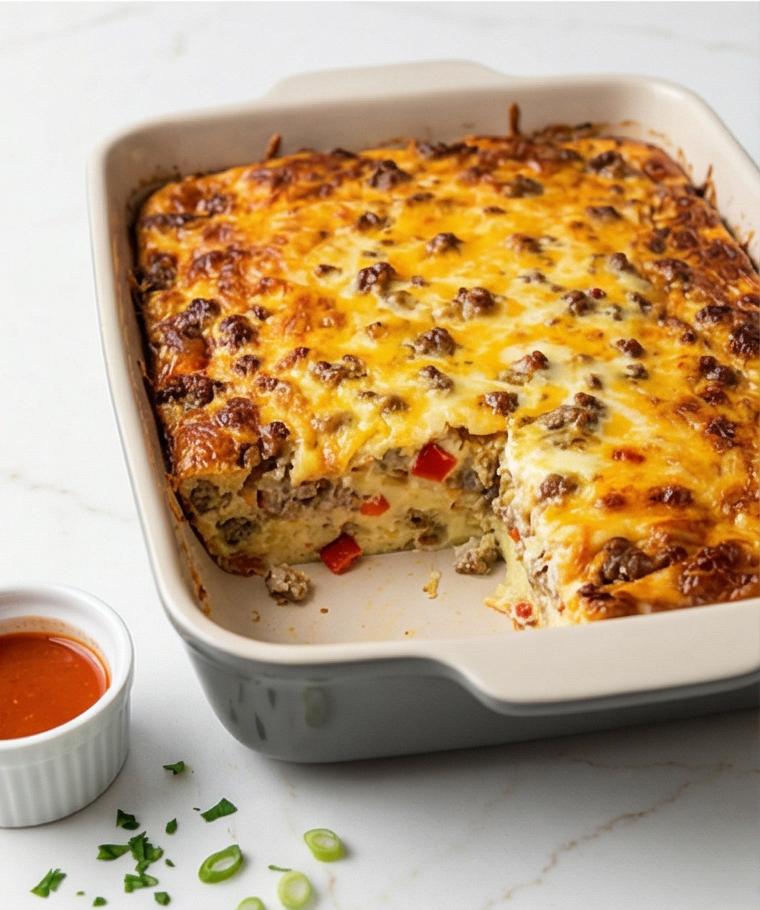
I fell for this Breakfast Sandwich Recipe the way you fall for a friend who makes the perfect cup of coffee: slow, inevitable, and a little bit addictive. I make it most weekends and sometimes on weekdays when I need a quick, soulful start. There is comfort in the contrast of crispy bacon, tender eggs, and melting cheddar tucked into a buttered English muffin. If you want a sandwich that feels both homey and a little elevated, this Breakfast Sandwich Recipe is a tiny daily celebration.
How This Sandwich Found a Permanent Spot on My Saturday Mornings
The first time I made the Breakfast Sandwich Recipe I remember the kitchen light slanting through the window and the bacon sizzling in a pan. The smell of rendered fat and toasted bread immediately felt nostalgic, like an old diner menu revived at home. I was anxious to get the eggs right, so I whisked them longer than usual, watching the mixture lighten and become almost frothy. When the eggs cooked into glossy curds and the cheddar began to melt, I felt accomplished in a quiet way. I loved the sound of the muffin as I bit through it: a small crackle, then a warm, soft center releasing steam and melted cheese. It was simple, but the layers of texture and temperature felt like a hug on a plate. Since then, this sandwich has been what I make when I want to feel cared for without fuss.
Meet the Main Ingredients and Why They Matter
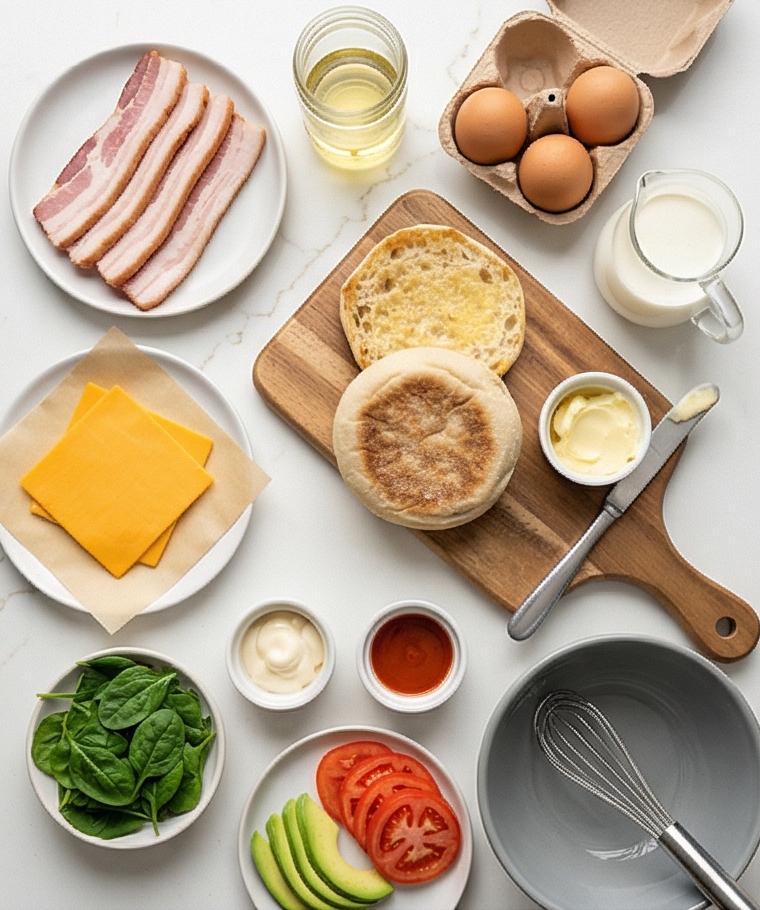
- Bacon: The salty, crispy backbone that adds texture and smoky flavor. Choose thick-cut for chew and crispiness; turkey bacon works as a leaner substitute.
- English Muffins: They give a toasted, nubby cradle. Pick fresh ones and split them for maximum nooks; sourdough or brioche can substitute for a richer bite.
- Eggs: Provide creaminess and structure. Use fresh large eggs; for extra richness use whole milk or cream.
- Cheddar: Sharp cheddar melts beautifully and cuts through the fat; swap for Gruyere or pepper jack for a twist.
Essential Kitchen Tools and Why They Help
A few simple tools make this sandwich effortless and repeatable. A heavy skillet holds even heat so bacon renders without burning; a nonstick pan keeps the eggs silky and makes cleanup easier. A good whisk helps aerate the eggs so the curds stay tender. For toasting, a toaster gives even color but a hot pan produces a butter-toasted edge.
- Heavy skillet or cast-iron pan: Distributes heat for bacon and toasting.
- Nonstick frying pan: For soft-scrambling eggs with minimal sticking.
- Whisk and mixing bowl: To emulsify eggs and milk into tender curds.
- Toaster or second pan: To brown English muffins evenly.
Step-by-Step Preparation Guide
Step 1: Crisp the Bacon
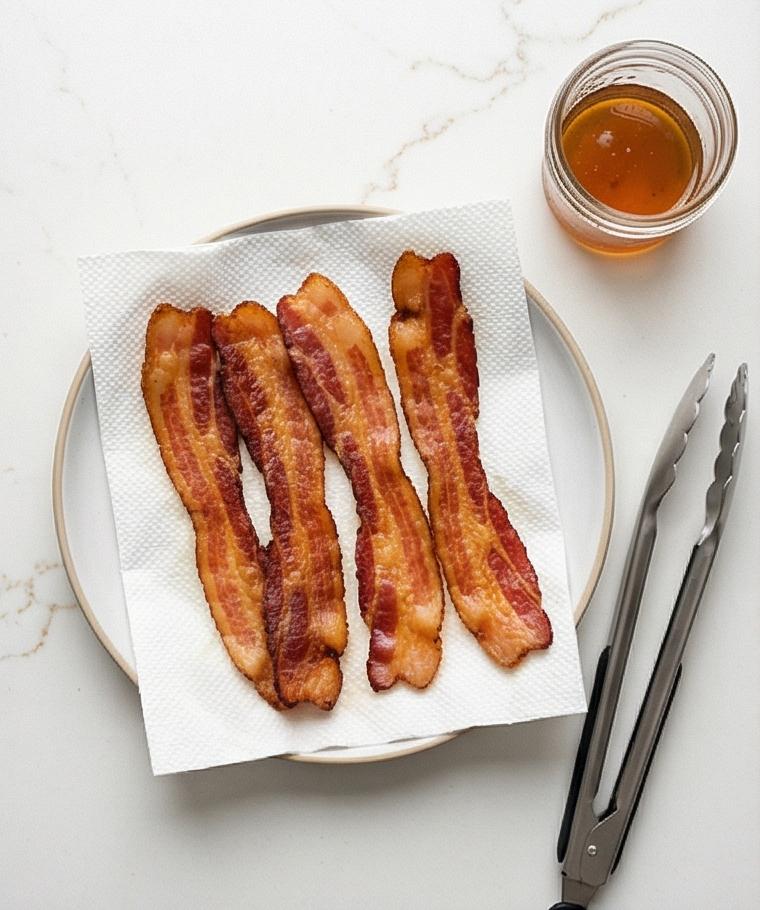
Place all four thick-cut bacon slices in a single layer in a cold skillet with a teaspoon of neutral oil and bring to medium heat; cook until the fat is mostly rendered and the edges are deep golden and crisp. Transfer the strips to a paper-towel-lined plate to drain so they stay glossy and crunchy; reserve a teaspoon of fat in the pan for toasting if you like, then tent the plate to keep the bacon warm. The result should be long, slightly curled ribbons of bacon with translucent rendered fat and lacy, caramelized edges that snap when bent.
Step 2: Toast and Butter the English Muffins
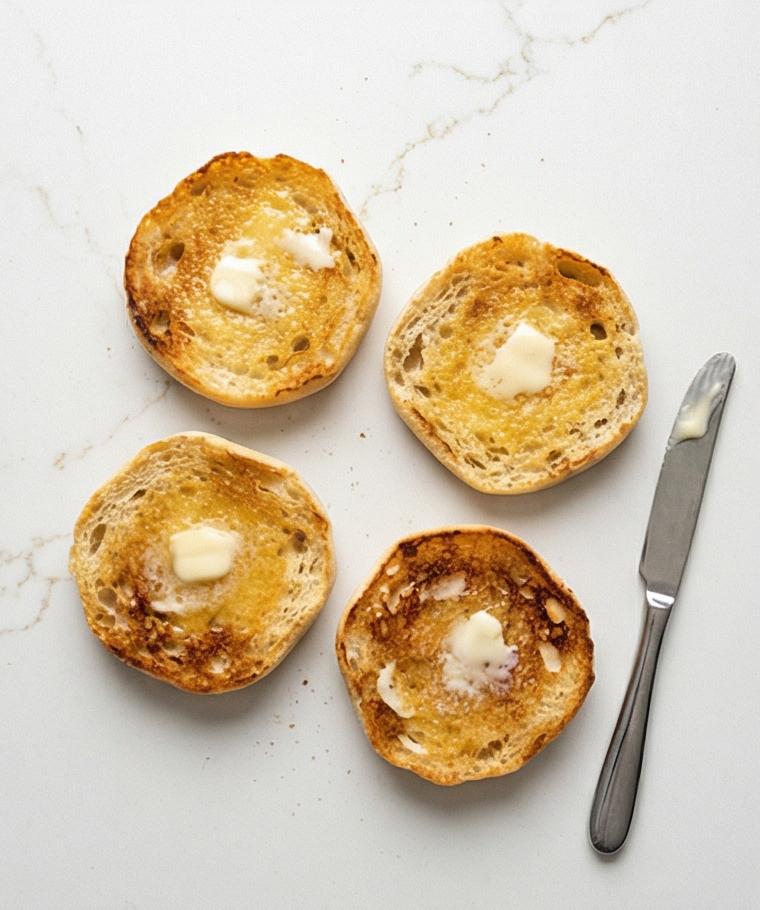
Split the English muffins and toast the cut sides until they are evenly golden brown and lightly crisp; whether toasted in a toaster or briefly on the pan, spread each hot cut side with a thin smear of softened unsalted butter as soon as they emerge. Keep the toasted halves warm, presenting them cut-side-up so you can see the tiny toasted nooks and a glossy, golden butter sheen pooling in the hollows. These lightly crisp muffin halves should look warm, airy, and ready to cradle the eggs.
Step 3: Whisk for Tender Eggs
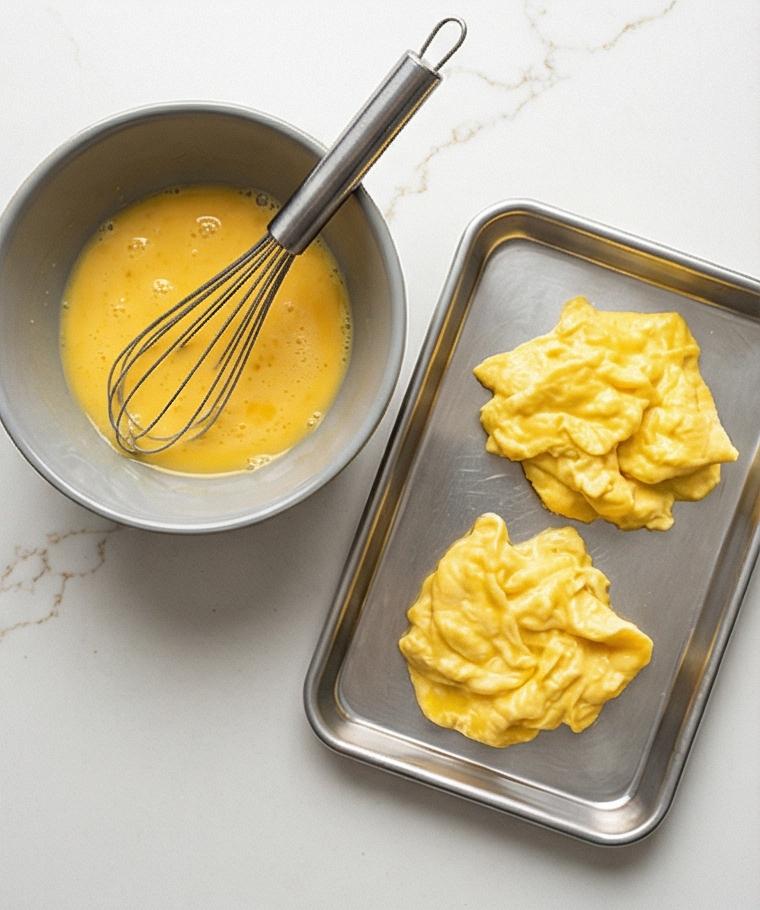
Crack the eggs into a bowl, add the tablespoon of room-temperature whole milk or cream, a pinch of fine sea salt and freshly ground black pepper, and whisk vigorously until the mixture is completely uniform, slightly paler, and lightly frothy—this creates tender curds. The bowl should show a pale, smooth liquid with tiny suspended bubbles and a whisk lightly resting on the rim, the surface tension just holding a slow ripple. This is the quiet but essential transformation from whole eggs to an emulsified batter.
Step 4: Soft-Scramble and Melt the Cheese
Pour the beaten eggs into a gently warmed pan surface and cook slowly into soft curds, nudging and folding until glossy, custardy curds form; gather and shape the eggs into two neat portions sized to the muffins, then top each portion with a slice of sharp cheddar and cover until the cheese begins to ooze. The visual result is two plush, slightly domed egg mounds, tender and moist, with warm, molten cheddar cascading down pale yellow curds—no browning, just creamy texture and a thin gloss of melted cheese. Transfer the cheesy egg portions off the pan ready for assembly.
Step 5: Assemble and Serve Immediately
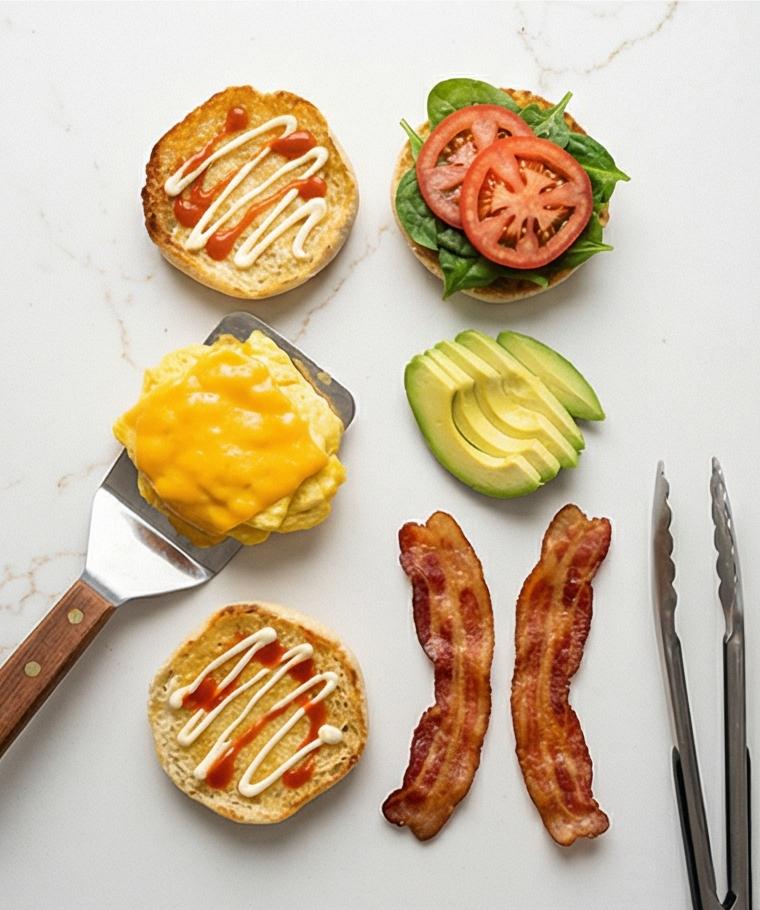
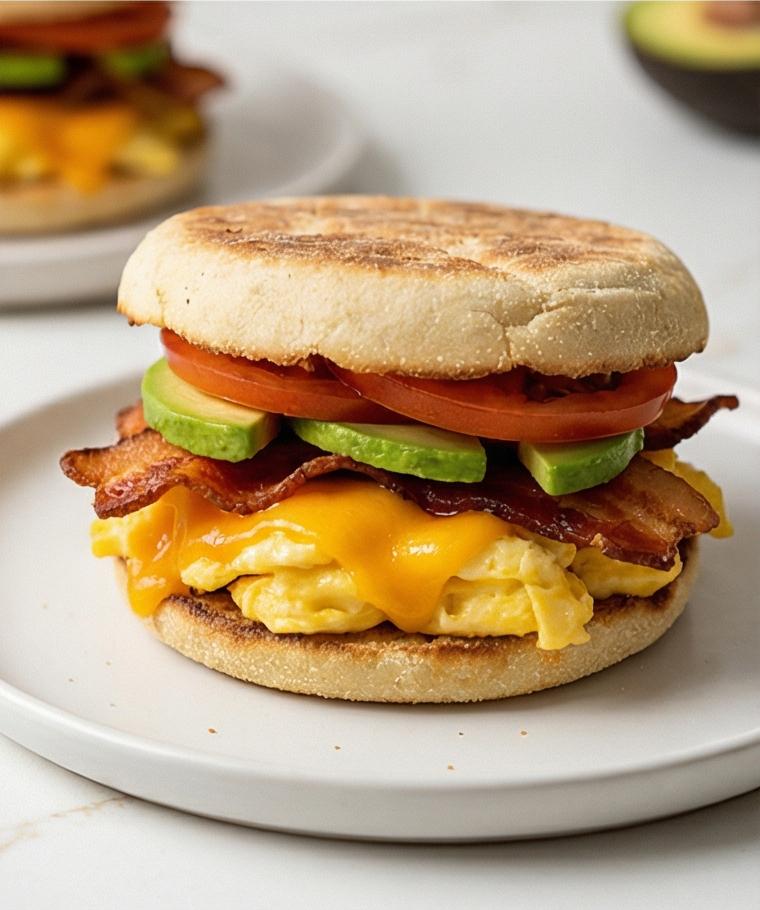
Assemble on the buttered muffin bottoms: if using condiments, spread a thin layer of mayonnaise and a touch of hot sauce or ketchup, then lay a single even layer of baby spinach or arugula, two tomato slices and a few avocado slices. Top each prepared base with one cheesy egg portion, then two pieces of crisp bacon, and cap with the muffin tops, pressing gently so the layers compress slightly. Present the sandwiches immediately while eggs are hot, cheese is melty, muffins are crisp on the edges, and bacon is still crackling; if needed, wrap in foil briefly to hold warmth, but serve fresh for optimal texture.
Making It Your Own
I like to experiment with small swaps to keep this Breakfast Sandwich Recipe feeling new. Try pepper jack instead of cheddar and add a few pickled jalapeño slices for a spicy morning kick. For a vegetarian version, replace bacon with smoked tempeh or a thick grilled mushroom cap; the technique for the eggs stays the same. In cooler months, swap spinach for a handful of wilted kale dressed with a touch of lemon. For a weekend brunch riff, use a toasted brioche bun and add a smear of fig jam under the cheese for a sweet-salty balance. These little changes keep the basic method intact while letting you tailor the sandwich to mood and season.
How to Serve
When I serve the Breakfast Sandwich Recipe for friends, presentation matters in a relaxed way. Line a platter with parchment and stack sandwiches on their sides so guests can see the layers. Offer small ramekins of hot sauce, ketchup, or extra mayo so people can customize. For a weekend brunch with six people, scale the ingredients and keep eggs warm in a low oven set to 200 F wrapped in a shallow dish; assemble quickly so the sandwiches stay crisp.
Pair with roasted potatoes or a light green salad for a fuller meal, and set out plates and napkins so everyone digs in while the cheese is still oozy. If you need to hold sandwiches for a short time, wrap them loosely in foil which keeps heat without steaming the muffin too quickly.
Storage and Reheating Tips
Leftovers can be saved, but textures change. Store each sandwich unwrapped in the fridge for up to 2 days, or separate components: keep eggs and bacon in an airtight container and muffins in a paper-wrapped bag to preserve some crispness.
To reheat, I gently re-toast the muffin halves and warm the eggs and bacon in a low oven or microwave briefly until just heated through, then reassemble. If using a microwave, cover the eggs with a damp paper towel to maintain moisture and avoid rubbery texture.
Common Mistakes and How to Avoid Them
The most frequent misstep is overcooking the eggs. Keep heat low and move the curds slowly; stop cooking while they still look slightly wetter than you think. The carryover heat will finish them as you assemble.
Another slip is soggy muffins. Toast and butter them right before assembly and avoid stacking hot, wet ingredients directly against the cut side; place greens or a thin smear of mayo as a moisture barrier.
Final Thoughts
This Breakfast Sandwich Recipe is forgiving, quick, and endlessly adaptable. Give it a try and tweak one element at a time to find your perfect balance of crisp, creamy, and salty.
Frequently Asked Questions.
-
Can I make the Breakfast Sandwich Recipe ahead of time?
Yes, you can prep components ahead: cook bacon and eggs, and toast muffins. Store separately and assemble just before serving for best texture. -
What’s the best cheese alternative?
Gruyere or pepper jack both melt nicely; choose sharpness to balance the bacon. -
Can I freeze these sandwiches?
Freeze only if well wrapped; best to freeze components separately and assemble after reheating for better texture. -
How do I keep the eggs tender?
Whisk with a little milk or cream and cook gently over low heat, folding curds rather than stirring vigorously. -
Is there a vegetarian version?
Yes, swap bacon for smoked tempeh, portobello, or a seasoned seared halloumi slice for a similar savoriness.
Breakfast Sandwich Recipe
Make the Breakfast Sandwich Recipe: crisp bacon, soft-scrambled eggs, melted cheddar on buttered English muffins—easy and delicious.
Ingredients
Instructions
Step 1: Crisp the Bacon
Place all four thick-cut bacon slices in a single layer in a cold skillet with a teaspoon of neutral oil and bring to medium heat; cook until the fat is mostly rendered and the edges are deep golden and crisp. Transfer the strips to a paper-towel-lined plate to drain so they stay glossy and crunchy; reserve a teaspoon of fat in the pan for toasting if you like, then tent the plate to keep the bacon warm. The result should be long, slightly curled ribbons of bacon with translucent rendered fat and lacy, caramelized edges that snap when bent.
Step 2: Toast and Butter the English Muffins
Split the English muffins and toast the cut sides until they are evenly golden brown and lightly crisp; whether toasted in a toaster or briefly on the pan, spread each hot cut side with a thin smear of softened unsalted butter as soon as they emerge. Keep the toasted halves warm, presenting them cut-side-up so you can see the tiny toasted nooks and a glossy, golden butter sheen pooling in the hollows. These lightly crisp muffin halves should look warm, airy, and ready to cradle the eggs.
Step 3: Whisk for Tender Eggs
Crack the eggs into a bowl, add the tablespoon of room-temperature whole milk or cream, a pinch of fine sea salt and freshly ground black pepper, and whisk vigorously until the mixture is completely uniform, slightly paler, and lightly frothy—this creates tender curds. The bowl should show a pale, smooth liquid with tiny suspended bubbles and a whisk lightly resting on the rim, the surface tension just holding a slow ripple. This is the quiet but essential transformation from whole eggs to an emulsified batter.
Step 4: Soft-Scramble and Melt the Cheese
Pour the beaten eggs into a gently warmed pan surface and cook slowly into soft curds, nudging and folding until glossy, custardy curds form; gather and shape the eggs into two neat portions sized to the muffins, then top each portion with a slice of sharp cheddar and cover until the cheese begins to ooze. The visual result is two plush, slightly domed egg mounds, tender and moist, with warm, molten cheddar cascading down pale yellow curds—no browning, just creamy texture and a thin gloss of melted cheese. Transfer the cheesy egg portions off the pan ready for assembly.
Step 5: Assemble and Serve Immediately
Assemble on the buttered muffin bottoms: if using condiments, spread a thin layer of mayonnaise and a touch of hot sauce or ketchup, then lay a single even layer of baby spinach or arugula, two tomato slices and a few avocado slices. Top each prepared base with one cheesy egg portion, then two pieces of crisp bacon, and cap with the muffin tops, pressing gently so the layers compress slightly. Present the sandwiches immediately while eggs are hot, cheese is melty, muffins are crisp on the edges, and bacon is still crackling; if needed, wrap in foil briefly to hold warmth, but serve fresh for optimal texture.
Notes
- Toast muffin halves just before assembly to keep them crisp.
- Use a little milk or cream in the eggs for creamier curds.
- Store components separately if making ahead to preserve texture.