Egg Muffins Recipe
I still remember the first time I made this Egg Muffins Recipe on a chaotic Sunday morning. I wanted something that would feel homemade but also keep for the week, and these little custardy muffins delivered every time. They pair crisp bacon, bright bell pepper, and melted cheddar into pockets you can grab on the run. Over the years I’ve tweaked seasoning and veggies, but the heart of the Egg Muffins Recipe never changes: simple ingredients, big comfort.
How This Recipe Became My Rainy-Day Favorite
The first rainy day I tested this recipe, the kitchen smelled like warm bacon and sweet onion, and steam fogged the window while the muffin tin ticked softly as it cooled. I remember tapping my foot to a slow song, shaking chopped chives over the warm rounds, and feeling oddly proud that something so simple could make a gray morning feel celebratory. The eggs set to a tender, slightly custardy texture that contrasted with the crispy bacon edges. Each bite had a little surprise of pepper or cheddar, and that variety—texture and flavor in a neat package—was what made me reach for this Egg Muffins Recipe whenever the weather turned moody or my week needed an easy, cheering breakfast.
Ingredient Spotlight
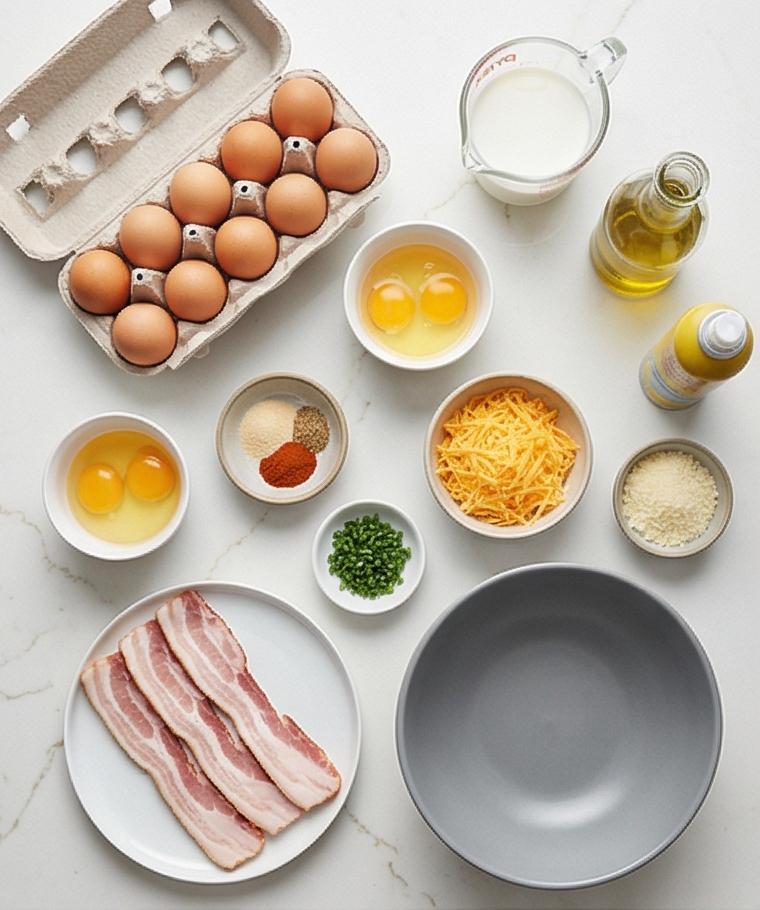
- Bacon: Adds smoky, salty crunch; substitute turkey bacon or smoked mushrooms for a lighter or vegetarian option. Choose thick-cut for texture.
- Eggs: The base that sets into custard; use room temperature eggs for even baking.
- Cheddar: Sharpness and melt; swap for pepper Jack or Gruyere for different flavor profiles.
- Spinach: Brightness and color; baby spinach wilts quickly—avoid watery leaves.
- Onion and Red Bell Pepper: Aromatics and sweetness; red pepper adds color and crunch.
- Milk and Seasonings: Milk lightens the eggs; smoked paprika or garlic powder deepen flavor.
Essential Kitchen Tools
A few trusted tools make this Egg Muffins Recipe effortless. A sturdy 12-cup muffin tin ensures uniform shapes; if yours is older, line with silicone cups or grease well to prevent sticking. A heavy skillet helps render bacon and soften vegetables without burning, though a nonstick pan or oven-safe skillet works fine. Use a large mixing bowl and a whisk for aeration; a spatula is essential for gentle folding so the muffins stay fluffy. A ladle or large spoon gives even portions, and a thin spatula helps release finished muffins. Alternatives: use silicone molds for easier removal, and an immersion blender if you prefer an ultra-smooth egg mixture.
Step-by-Step Preparation Guide
Step 1: Preheat and grease the muffin tin
Preheat the oven to 350°F (175°C) and position the rack in the center so the muffins bake evenly. Thoroughly grease a standard 12-cup muffin tin with nonstick cooking spray or a thin film of neutral vegetable oil, making sure each cup’s bottom and sides are evenly coated to prevent sticking; set the tin aside on the quartz surface while you finish the prep.
Step 2: Render the bacon and soften the vegetables
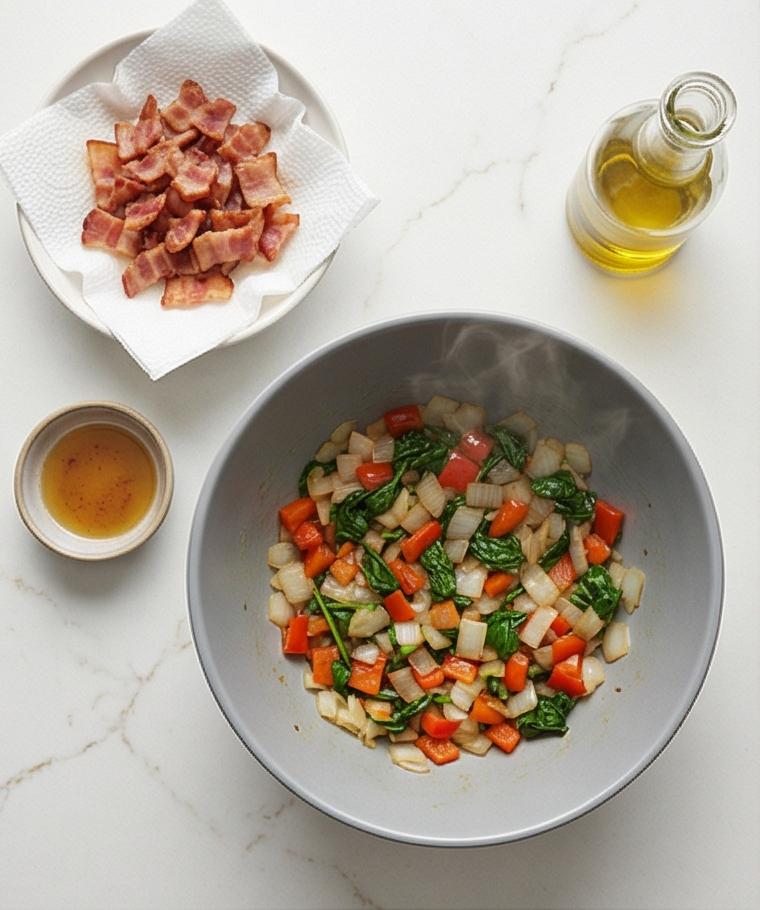
Cook the chopped bacon until the fat has rendered and the pieces are golden brown and crisp; transfer the bacon to a paper towel–lined bowl to drain, reserving about a tablespoon of the fat. Warm a tablespoon of extra-virgin olive oil in the same vessel used for the vegetables, then add the finely diced onion and red bell pepper and sauté until softened and translucent. Toss in the chopped spinach just until wilted and most moisture has evaporated, then remove the vegetable mix to cool for a few minutes so it won’t scramble the eggs when combined.
Step 3: Whisk the eggs and season
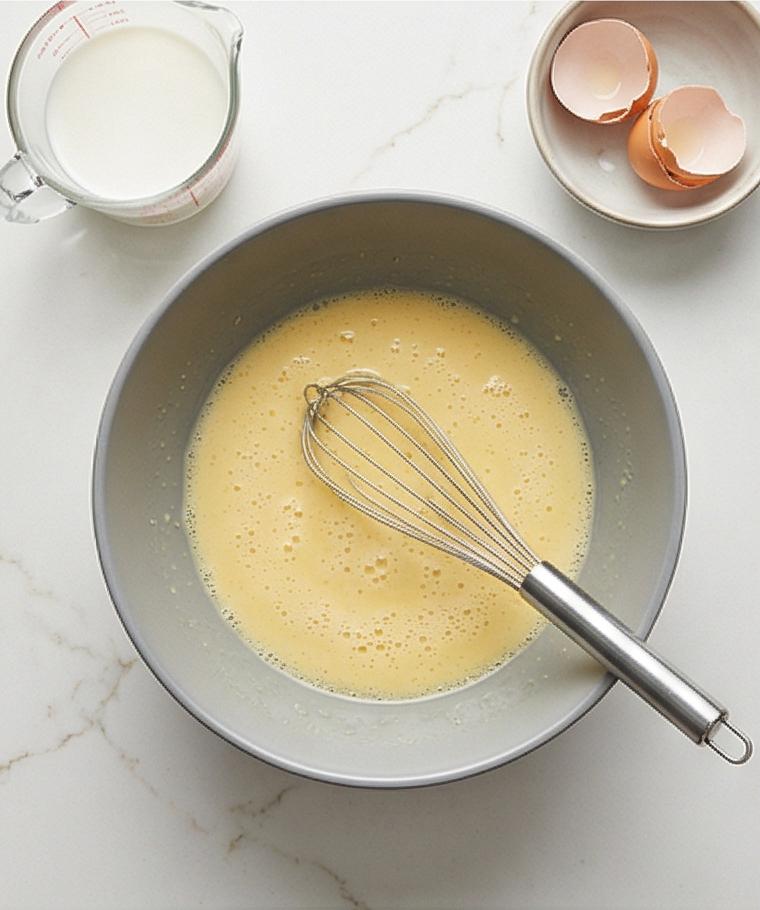
Crack the eggs into a large modern matte grey ceramic mixing bowl, add the whole milk, fine sea salt, freshly ground black pepper, garlic powder, and smoked paprika. Whisk vigorously for 30–45 seconds until the yolks and whites are fully combined and the mixture looks slightly frothy and uniform in color — airy and smooth, ready to lift when baked.
Step 4: Fold in cheeses, bacon, and cooled vegetables
Add the shredded sharp cheddar, the drained crisp bacon pieces, the cooled sautéed vegetables, and the sliced chives into the whisked eggs. Gently fold everything together with a spatula until the distribution is even — you want a batter studded with bacon bits, softened pepper flecks, melted-cheese strings, and bright green chive flecks, slightly billowy from the whisked eggs.

Step 5: Portion into the prepared muffin tin and top
Using a ladle or large spoon, divide the egg mixture evenly among the 12 greased muffin cups, filling each to about three‑quarters full and stirring the bowl occasionally so the solids stay distributed. If using, sprinkle a light pinch of finely grated Parmesan over each cup for a delicate savory crust.

Step 6: Bake, cool, and plate the egg muffins
Bake until the muffins are puffed, the edges are lightly golden, and the centers are just set with a slight jiggle; let them cool in the tin for 5–10 minutes, then run a thin spatula around edges and lift the muffins out. Garnish the tops with a few extra sliced chives and serve warm — tender, custardy interiors with visible bits of bacon, vegetables, and melted cheddar, finished with a tiny Parmesan crust if you used it.

Making It Your Own
I love swapping ingredients based on what’s in season. In spring I add asparagus tips and shallot instead of red pepper for a lighter bite. For a vegetarian version I leave out bacon and add smoked tempeh or charred mushrooms to keep that umami hit. If I need heat, I fold in a pinch of crushed red pepper flakes or swap cheddar for pepper Jack. For a Mediterranean twist I try feta, sundried tomatoes, and baby arugula. Each experiment alters texture and flavor but keeps the easy, portable spirit of the Egg Muffins Recipe.
How to Serve
When I host brunch, I arrange Egg Muffins Recipe on a large platter with small bowls of extra chives, hot sauce, and lemon-wedge–dressed arugula. For a casual family breakfast, serve muffins with fruit salad and whole-grain toast and set out butter and jam. To scale up, double the recipe and bake in two tins; if you need fewer portions, the batter stores briefly in the fridge for a day and you can bake only what you need. For a dinner-party appetizer, halve the muffin portions and serve warm on cocktail napkins with a smear of herbed cream cheese.
Storage and Reheating Tips
Let the Egg Muffins Recipe cool completely before storing to avoid sogginess. Refrigerate in an airtight container for up to four days, layering parchment between muffins if stacking. For longer storage, freeze on a sheet tray until solid, then transfer to a labeled freezer bag for up to three months.
Reheat from the fridge in a 350°F (175°C) oven for 8–10 minutes or microwave a single muffin for 45–60 seconds until warmed through. From frozen, heat on a sheet tray at 350°F for about 18–22 minutes or microwave 1 1/2 to 2 minutes, checking for even warmth.
Common Mistakes and How to Avoid Them
One common slip is not draining or cooling the vegetables and bacon enough before adding to the eggs; excess moisture can make the muffins soggy. Cool ingredients on paper towels and let warm veggies rest a few minutes before folding in.
Another mistake is overbaking, which yields rubbery edges. Remove muffins when centers have a slight jiggle; they will continue to set as they cool. Also, under-seasoning the egg mixture can make flavors flat—taste and adjust seasonings before folding in solids.
Final Thoughts
These Egg Muffins Recipe make mornings simpler and more delicious. They are forgiving, endlessly adaptable, and perfect for feeding a crowd or packing for the week. Give them a try, tweak them to your taste, and enjoy the little wins of a homemade grab-and-go meal.
Frequently Asked Questions.
-
Can I make the Egg Muffins Recipe ahead of time?
Yes, bake the muffins, cool completely, then refrigerate up to four days or freeze for up to three months. -
Can I make the Egg Muffins Recipe vegetarian?
Absolutely. Omit bacon and add sautéed mushrooms, smoked tempeh, or extra cheese for savory depth. -
How do I prevent soggy Egg Muffins Recipe?
Drain and cool sautéed vegetables and bacon so excess moisture doesn’t water down the eggs before baking. -
Can I use egg whites only in the Egg Muffins Recipe?
You can, but expect slightly less creamy texture; add a splash of milk for moisture and keep an eye on baking time. -
What is the best way to reheat Egg Muffins Recipe?
For best texture, reheat in a 350°F oven for 8–10 minutes from the fridge or 18–22 minutes from frozen.

Egg Muffins Recipe
Make Egg Muffins Recipe for grab-and-go breakfasts: crispy bacon, veggies, and cheddar baked into portable egg cups.
Ingredients
Instructions
Step 1: Preheat and grease the muffin tin
Preheat the oven to 350°F (175°C) and position the rack in the center so the muffins bake evenly. Thoroughly grease a standard 12-cup muffin tin with nonstick cooking spray or a thin film of neutral vegetable oil, making sure each cup’s bottom and sides are evenly coated to prevent sticking; set the tin aside on the quartz surface while you finish the prep.
Step 2: Render the bacon and soften the vegetables
Cook the chopped bacon until the fat has rendered and the pieces are golden brown and crisp; transfer the bacon to a paper towel–lined bowl to drain, reserving about a tablespoon of the fat. Warm a tablespoon of extra-virgin olive oil in the same vessel used for the vegetables, then add the finely diced onion and red bell pepper and sauté until softened and translucent. Toss in the chopped spinach just until wilted and most moisture has evaporated, then remove the vegetable mix to cool for a few minutes so it won’t scramble the eggs when combined.
Step 3: Whisk the eggs and season
Crack the eggs into a large modern matte grey ceramic mixing bowl, add the whole milk, fine sea salt, freshly ground black pepper, garlic powder, and smoked paprika. Whisk vigorously for 30–45 seconds until the yolks and whites are fully combined and the mixture looks slightly frothy and uniform in color — airy and smooth, ready to lift when baked.
Step 4: Fold in cheeses, bacon, and cooled vegetables
Add the shredded sharp cheddar, the drained crisp bacon pieces, the cooled sautéed vegetables, and the sliced chives into the whisked eggs. Gently fold everything together with a spatula until the distribution is even — you want a batter studded with bacon bits, softened pepper flecks, melted-cheese strings, and bright green chive flecks, slightly billowy from the whisked eggs.
Step 5: Portion into the prepared muffin tin and top
Using a ladle or large spoon, divide the egg mixture evenly among the 12 greased muffin cups, filling each to about three‑quarters full and stirring the bowl occasionally so the solids stay distributed. If using, sprinkle a light pinch of finely grated Parmesan over each cup for a delicate savory crust.
Step 6: Bake, cool, and plate the egg muffins
Bake until the muffins are puffed, the edges are lightly golden, and the centers are just set with a slight jiggle; let them cool in the tin for 5–10 minutes, then run a thin spatula around edges and lift the muffins out. Garnish the tops with a few extra sliced chives and serve warm — tender, custardy interiors with visible bits of bacon, vegetables, and melted cheddar, finished with a tiny Parmesan crust if you used it.
Notes
- Use room-temperature eggs for a more even, tender texture.
- Cool drained vegetables and bacon before folding into eggs to avoid sogginess.
- Freeze extra muffins on a sheet tray, then transfer to a freezer bag for up to three months.
- Reheat in a 350°F oven for best texture, or microwave briefly for convenience.
- Swap ingredients like cheese or veggies to suit dietary needs or seasonal produce.