I have a soft spot for a bright, balanced Lemonade Recipe that tastes like summer in a glass. I first learned to make this Lemonade Recipe on a humid afternoon when a pitcher rescued a wilting picnic. Over the years I kept the method simple, because the clarity of fresh lemon, sugar, and water is the whole point. I love how one good lemon and a quick syrup can turn ordinary water into something you reach for again and again.
How This Lemonade Recipe Became My Picnic Staple
The first time I made this Lemonade Recipe for friends, the heat felt relentless and everyone moved in slow motion. I remember squeezing lemon after lemon, watching the pale gold juice collect in a glass measuring cup that caught the sunlight. The kitchen filled with a sharp, bright scent that made conversation lighter and laughter easier. We sipped the chilled pitcher outdoors beneath a small awning, mint leaves unfurling their aroma as if on cue. That afternoon taught me how a simple drink can anchor a gathering and lift moods, and why I keep the ratio and the technique faithful to that original moment.
Why These Ingredients Matter
Fresh, simple parts are the heart of this drink and they make the Lemonade Recipe shine. Small changes matter, so choose each element with care and taste as you go.
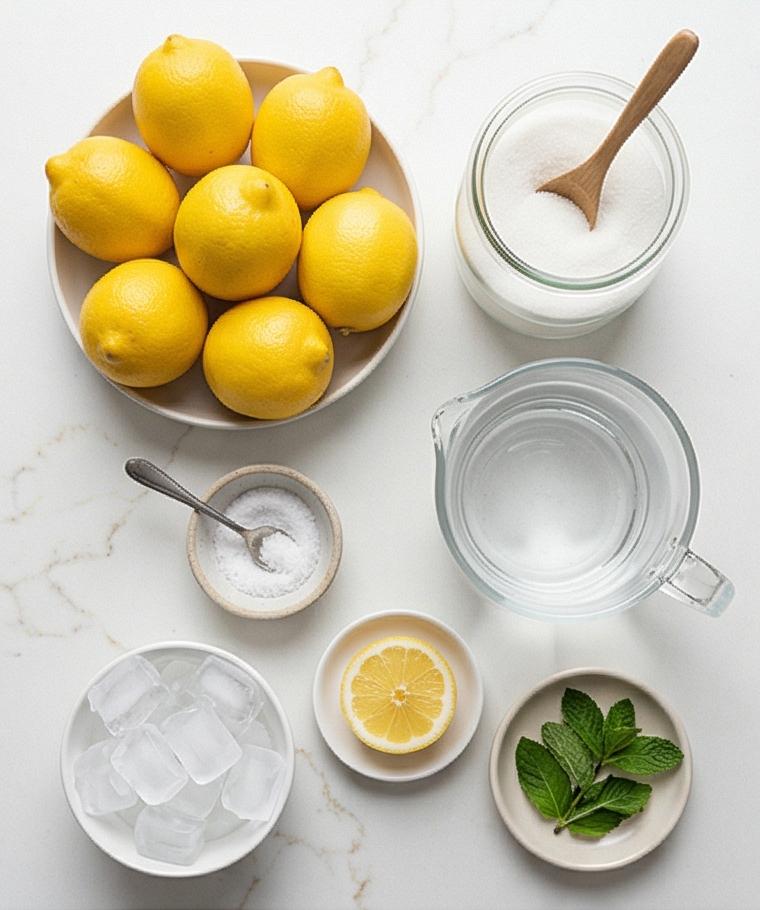
- Lemon Juice: The star: use ripe, fragrant lemons for bright acidity; Meyer lemons offer a sweeter, floral change.
- Granulated Sugar: Balances tartness and adds body; swap for honey or agave but dissolve completely.
- Simple Syrup Water: Carries sweetness without grit; hot water speeds dissolution, room-temperature keeps clarity.
- Cold Water: Controls strength; sparkling water adds a fizzy twist.
- Sea Salt: A pinch lifts flavors without making it salty.
- Ice, Lemon Rounds, Mint: For texture and aroma.
Essential Kitchen Tools for a Perfect Pitcher
A few humble tools make this Lemonade Recipe easy and repeatable. Start with things you already own and consider small upgrades if you make lemonade often. A good juicer saves time and reduces hand fatigue, and a fine-mesh strainer keeps the drink silky. A clear glass pitcher shows off the lemonade and helps you judge dilution visually. If you do not own a citrus reamer, a sturdy fork works in a pinch. For simple syrup, a small saucepan or a heatproof jar are both fine; just make sure sugar dissolves fully. Finally, thin-bladed knives and a stable cutting board keep garnish prep quick and safe.
Step-by-Step Preparation Guide
Step 1: Prep the lemons
Wash 6–8 medium lemons under cool running water and dry them thoroughly, then roll each lemon firmly on the counter to loosen the juices – this makes them easier to extract and gives the cut surface a slightly glossy, taut texture. As you work, set the whole lemons in a neat cluster on the marble-like surface so they read as bright citrus orbs with taut skins and tiny oil-dimple highlights; avoid any clutter, keep only a small paring knife and a cutting board nearby.
Step 2: Juice and strain the lemons
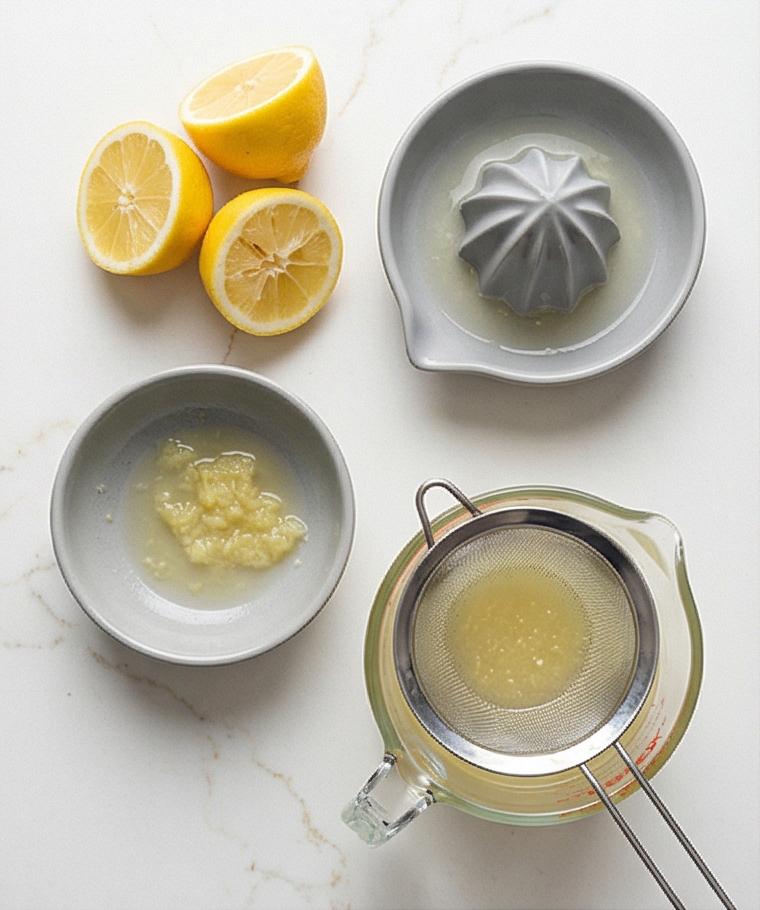
Cut the lemons in half crosswise and press them on a citrus reamer or juicer until you’ve collected a cup of juice; pour the fresh juice through a fine-mesh strainer into a clear measuring cup or bowl so the liquid reads brilliantly translucent, pale gold, and practically glowing. You should see faint suspended pulp, a few pale flecks of zest, and absolutely no seeds. The strained juice pools in the vessel, with a slight satin surface skin and the soft micro-bubbles that fresh citrus often shows.
Step 3: Make and dissolve the simple syrup
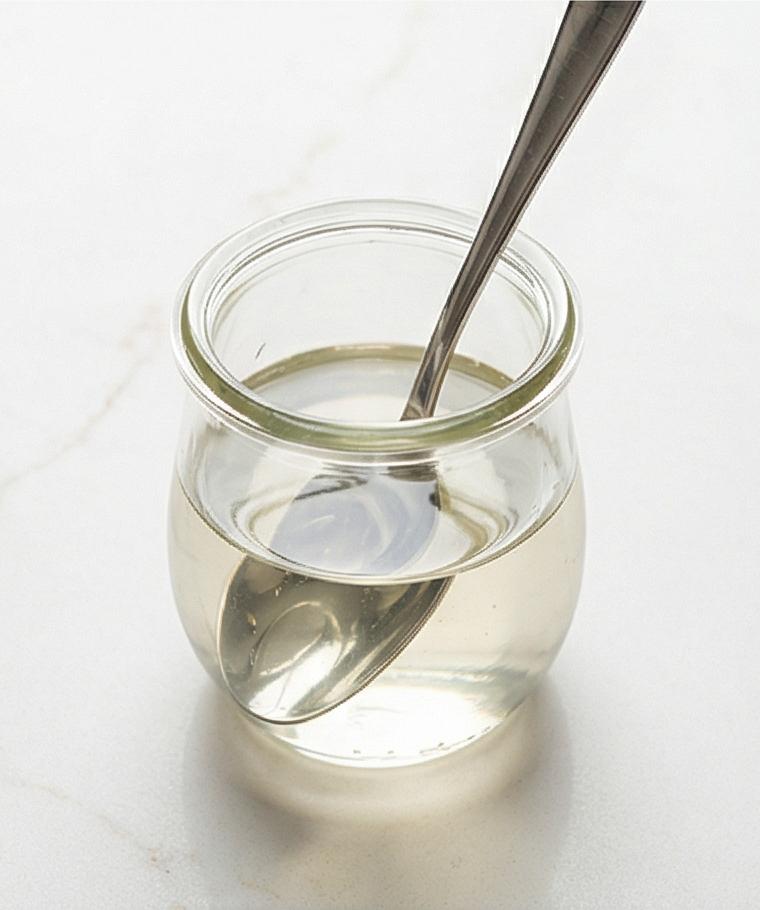
Combine equal parts granulated sugar and room-temperature water and stir until the sugar fully dissolves, producing a clear, viscous syrup with a glossy, honey-like sheen. Transfer the cooled syrup into a small glass jar so the syrup’s viscosity and crystal-free clarity are visible; the sugar solution should cling slightly to a spoon resting in the jar, showing the syrup’s tactile weight and bright clarity.
Step 4: Combine lemon juice and syrup in the pitcher
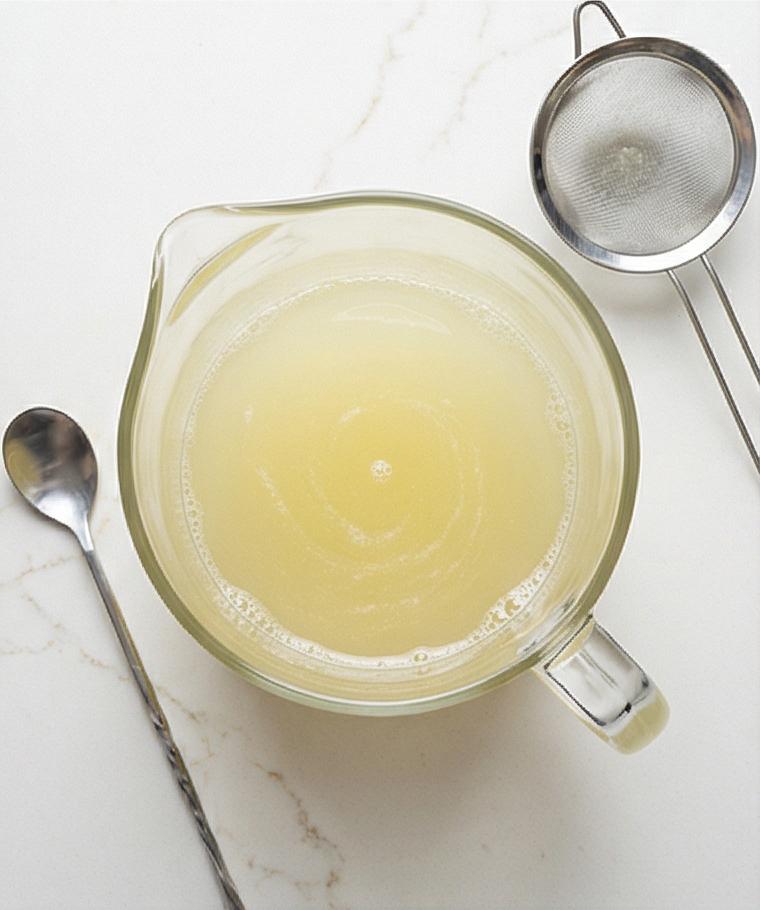
Pour the strained lemon juice and the cooled simple syrup into a large clear glass pitcher and stir gently until the liquid is uniformly pale, luminous yellow. The surface should show thin concentric ripples from stirring and a few micro-foam bubbles along the edges. Keep the same clear glass pitcher as the hero vessel so its geometry persists; place a fine-mesh strainer and spoon nearby to imply recent use.
Step 5: Dilute to taste and season
Add cold refrigerated water to the pitcher, starting with three cups and tasting as you go until the balance of sweet and tart is perfect; if desired, stir in a tiny pinch of fine sea salt so the lemonade’s brightness softens and rounds out without tasting salty. The diluted lemonade should read nervy and translucent, with pale lemon color and a soft sheen; condensation may begin to form on the pitcher if the contents are cold.
Step 6: Chill and prep garnishes
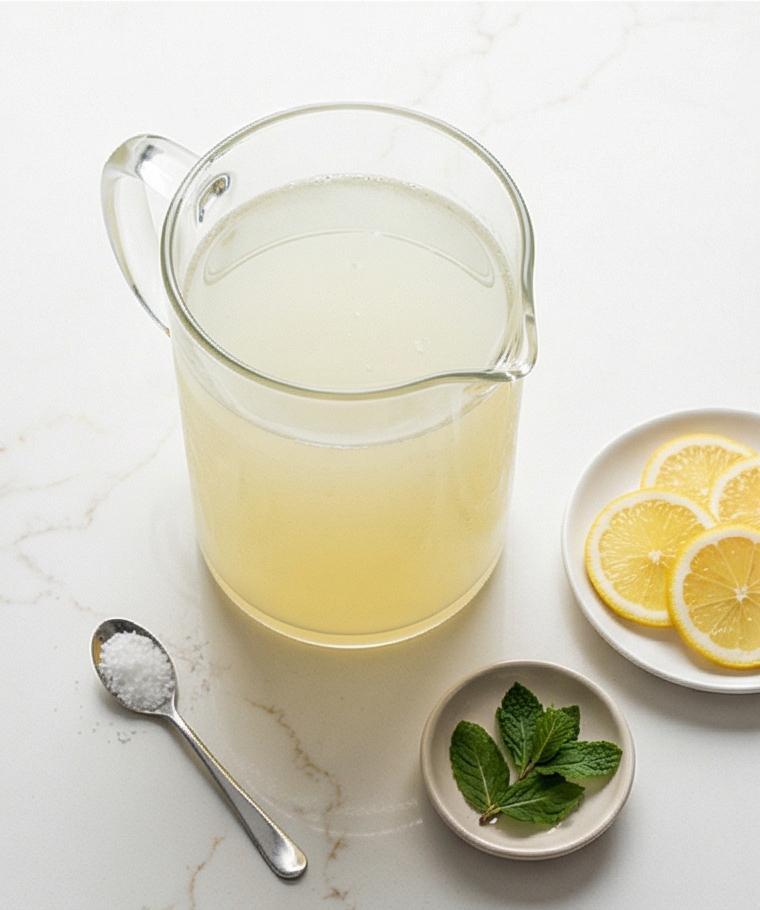
Cover and refrigerate the pitcher until thoroughly chilled so the flavors meld and the liquid cools to a refreshing clarity. Just before serving, thinly slice a lemon into neat rounds and lightly bruise mint sprigs to release aroma—arrange the lemon rounds on a small white saucer and the mint on a tiny ceramic dish so their textures (paper-thin citrus, plush mint leaves) are instantly readable.
Step 7: Serve over ice and garnish
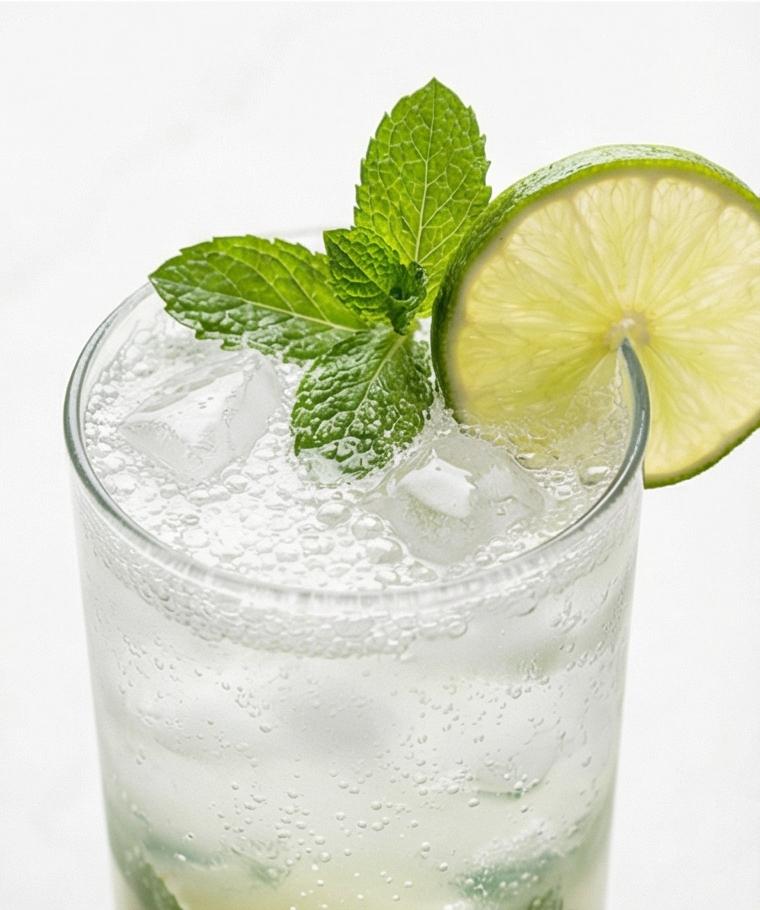
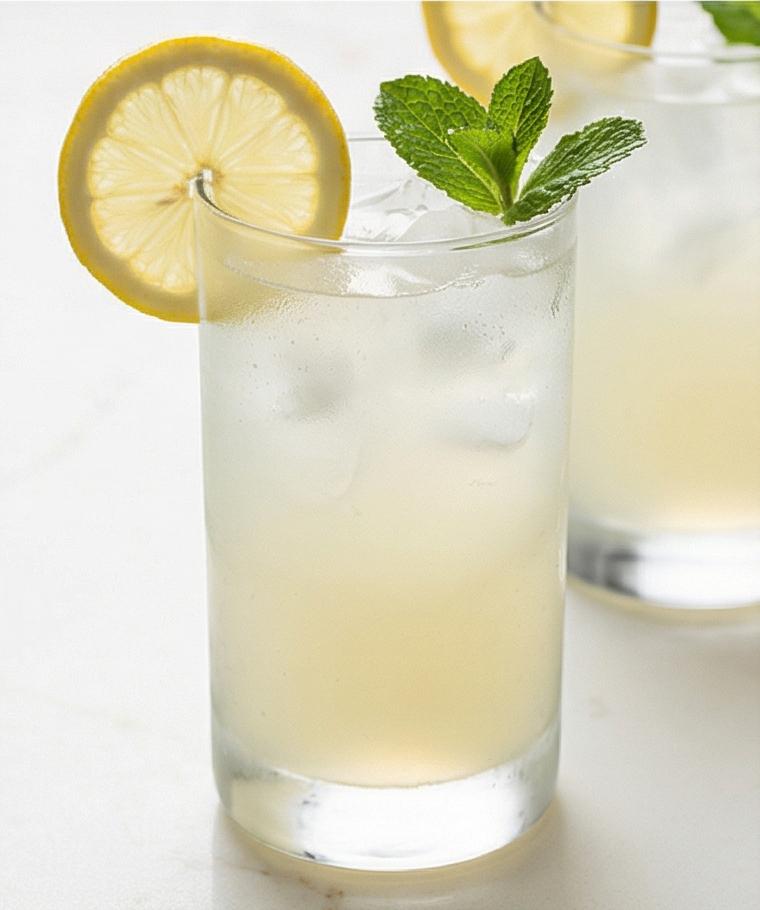
Fill clear serving glasses halfway with ice, stir the pitcher once to re-integrate, then pour the lemonade over the ice. Garnish each glass with a single lemon round and a mint sprig; the final close-up should capture cold condensation, tiny bead-like ice textures, the satin translucence of the lemonade, and the lively green of mint against the pale yellow.
Making It Your Own
I enjoy testing tiny twists on the basic Lemonade Recipe to match seasons and moods. In spring I add bruised basil instead of mint for a savory lift. For a low-sugar version I swap half the simple syrup for muddled strawberries and a touch of stevia; it keeps body while cutting refined sugar. Try sparkling water for a celebratory fizz, or stir in a few tablespoons of fresh ginger juice for warmth on cooler evenings. If you like adult versions, a splash of vodka or gin pairs beautifully with the citrus backbone.
How to Serve
When I host, presentation matters as much as flavor. For a small gathering of four, make one batch and serve in individual glasses with plenty of ice so each pour stays cold. For larger groups, double the recipe and set the pitcher on a cooling tray or in a shallow bowl of ice to keep it chilled without diluting. Use clear glassware so the pale yellow reads bright, and offer garnishes on a small platter: lemon rounds, mint sprigs, and optional sliced berries. For a brunch, place small carafes so guests can top off their glasses at will.
Storage and Reheating Tips
Store unused lemonade in a sealed pitcher or bottle in the refrigerator for up to four days. Over time the bright acidity softens, so taste before serving and add a splash of fresh lemon juice or a touch of syrup if it needs life.
Do not freeze the finished lemonade if you want to keep texture; ice cubes are better. If you do freeze portions, expect slight separation once thawed and re-emulsify by stirring or shaking in a sealed jar.
Common Mistakes and How to Avoid Them
Too-sweet lemonade is easy to make but simple to fix: dilute with cold water and test gradually. Always add water in stages and taste between pours.
Overly pulpy or seedy lemonade comes from skipping the strainer. Use a fine-mesh strainer and scrape out only a little pulp if you want texture. Keep tasting and adjust with tiny pinches of salt to round flavors.
Final Sip: Your Invitation
I hope this Lemonade Recipe becomes one you reach for all summer long. It is forgiving, fresh, and endlessly adaptable, so give it a go and make it yours.
Frequently Asked Questions.
- Can I use bottled lemon juice instead of fresh juice? – Bottled juice works in a pinch, but fresh juice makes the Lemonade Recipe brighter and fresher; bottled options can taste flat.
- How long will homemade lemonade keep in the fridge? – Stored in a sealed container, it will keep well for up to four days; stir and taste before serving, and refresh with a little extra lemon or syrup if needed.
- Can I make this ahead for a party? – Yes, make the syrup and juice earlier in the day, combine and refrigerate, then add ice and garnishes just before serving.
- How can I make a sugar-free version? – Replace sugar with honey, agave, or a measured noncaloric sweetener; adjust to taste and dissolve thoroughly in the syrup stage.
- Any tips for a sparkling version? – Replace some or all of the cold water with chilled sparkling water right before serving so you retain the fizz.
Lemonade Recipe
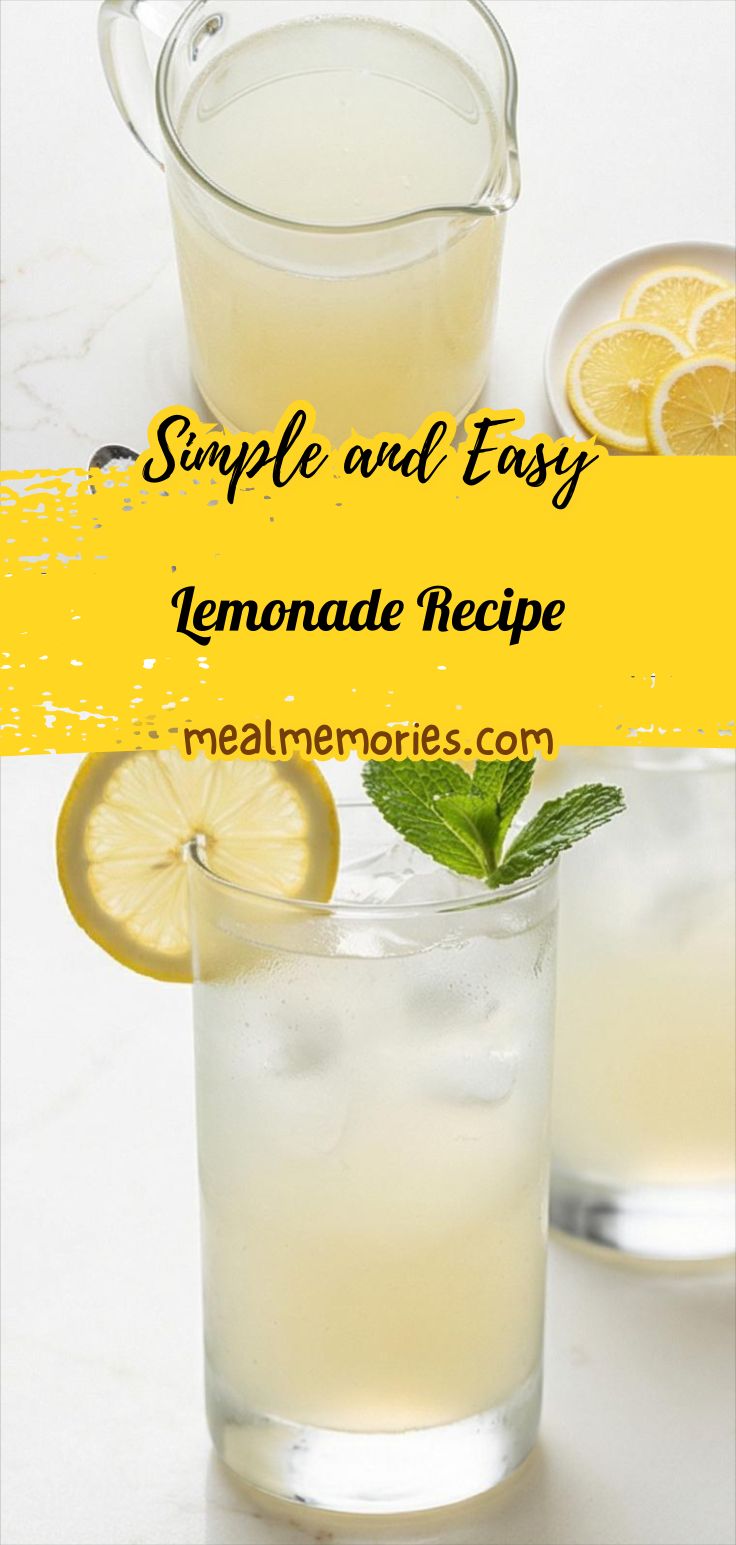
Make this Lemonade Recipe with fresh lemon juice and simple syrup for bright, refreshing homemade lemonade.
Ingredients
Instructions
Step 1: Prep the lemons
Wash 6–8 medium lemons under cool running water and dry them thoroughly, then roll each lemon firmly on the counter to loosen the juices—this makes them easier to extract and gives the cut surface a slightly glossy, taut texture. As you work, set the whole lemons in a neat cluster on the marble-like surface so they read as bright citrus orbs with taut skins and tiny oil-dimple highlights; avoid any clutter, keep only a small paring knife and a cutting board nearby.
Step 2: Juice and strain the lemons
Cut the lemons in half crosswise and press them on a citrus reamer or juicer until you've collected a cup of juice; pour the fresh juice through a fine-mesh strainer into a clear measuring cup or bowl so the liquid reads brilliantly translucent, pale gold, and practically glowing. You should see faint suspended pulp, a few pale flecks of zest, and absolutely no seeds. The strained juice pools in the vessel, with a slight satin surface skin and the soft micro-bubbles that fresh citrus often shows.
Step 3: Make and dissolve the simple syrup
Combine equal parts granulated sugar and room-temperature water and stir until the sugar fully dissolves, producing a clear, viscous syrup with a glossy, honey-like sheen. Transfer the cooled syrup into a small glass jar so the syrup’s viscosity and crystal-free clarity are visible; the sugar solution should cling slightly to a spoon resting in the jar, showing the syrup’s tactile weight and bright clarity.
Step 4: Combine lemon juice and syrup in the pitcher
Pour the strained lemon juice and the cooled simple syrup into a large clear glass pitcher and stir gently until the liquid is uniformly pale, luminous yellow. The surface should show thin concentric ripples from stirring and a few micro-foam bubbles along the edges. Keep the same clear glass pitcher as the hero vessel so its geometry persists; place a fine-mesh strainer and spoon nearby to imply recent use.
Step 5: Dilute to taste and season
Add cold refrigerated water to the pitcher, starting with three cups and tasting as you go until the balance of sweet and tart is perfect; if desired, stir in a tiny pinch of fine sea salt so the lemonade's brightness softens and rounds out without tasting salty. The diluted lemonade should read nervy and translucent, with pale lemon color and a soft sheen; condensation may begin to form on the pitcher if the contents are cold.
Step 6: Chill and prep garnishes
Cover and refrigerate the pitcher until thoroughly chilled so the flavors meld and the liquid cools to a refreshing clarity. Just before serving, thinly slice a lemon into neat rounds and lightly bruise mint sprigs to release aroma—arrange the lemon rounds on a small white saucer and the mint on a tiny ceramic dish so their textures (paper-thin citrus, plush mint leaves) are instantly readable.
Step 7: Serve over ice and garnish
Fill clear serving glasses halfway with ice, stir the pitcher once to re-integrate, then pour the lemonade over the ice. Garnish each glass with a single lemon round and a mint sprig; the final close-up should capture cold condensation, tiny bead-like ice textures, the satin translucence of the lemonade, and the lively green of mint against the pale yellow.
Notes
- Taste and adjust dilution gradually; add water in stages.
- Use a fine-mesh strainer to remove seeds and excess pulp for a silky texture.
- Keep lemonade chilled and add garnishes just before serving to preserve aroma.
- For a fizzy version, substitute some cold water with chilled sparkling water right before serving.
- Refresh stored lemonade with a splash of fresh lemon juice or a touch of syrup if flavors dull.