I still remember the first time I tossed this Mediterranean Salad Recipe for a summer picnic; the colors and smells made everyone crowd the table. Over the years the Mediterranean Salad Recipe has become my go-to when I want something bright, crunchy, and impossibly simple. I love how the lemony vinaigrette wakes up every ingredient and how the feta adds that creamy, salty punctuation. It feels like sunshine in a bowl and it always brings people together.
How This Salad Became My Weeknight Hero
One late July evening I needed dinner fast after a humid day of gardening. I pulled an English cucumber from the fridge, half a pint of cherry tomatoes, a lonely jar of Kalamata olives, and a block of feta. Within twenty minutes the kitchen smelled of lemon and oregano and my neighbors knocked on the door asking if they could bring bread. We ate in the yard with bare feet in the grass and the salad tasted like the whole afternoon – fresh, minty, and easy. That memory stuck; now when the week is long I make the Mediterranean Salad Recipe and it shrinks stress and stretches conversation. The textures still thrill me – crisp cucumber, juicy tomato, creamy feta, and that tiny pop of chickpeas. It is a recipe that feels like both a weekday rescue and a party guest.
Primary Ingredients and Why They Matter
- Extra-virgin olive oil: The backbone of the dressing; use a fruity, well-balanced oil. Substitute with avocado oil for a milder flavor.
- Fresh lemon juice: Adds bright acidity; lime is a fine swap in a pinch.
- Red wine vinegar: Gives tang complexity; white wine vinegar works too.
- Dijon mustard: Helps emulsify the vinaigrette and adds a gentle bite; use whole-grain mustard for texture.
- Garlic and dried oregano: Flavor anchors; fresh oregano can be used if available.
- Cucumber, tomatoes, red bell pepper, red onion: The crunchy, juicy trio; pick firm produce and ripe tomatoes for best flavor.
- Chickpeas and Kalamata olives: Provide heartiness and briny depth; swap chickpeas for cannellini beans if desired.
- Parsley, mint, and feta: Fresh herbs lift the salad and feta brings creamy salt; consider goat cheese for a softer tang.
Essential Kitchen Tools and Friendly Tips
A few simple tools make this Mediterranean Salad Recipe effortless and enjoyable. Use a large mixing bowl so you can toss without spills and keep the dressing from pooling. A whisk or glass jar with a lid makes emulsifying the vinaigrette quick and tidy. Sharp knives and a sturdy cutting board speed prep and keep dice even, which helps the salad look polished. Salad tongs or two large spoons are ideal for gentle tosses so delicate herbs and feta aren’t crushed.
- Large mixing bowl: For combining and tossing; use stainless steel or ceramic.
- Whisk or jar with lid: For emulsifying dressing; a jar is great for storage.
- Chef’s knife and cutting board: Sharp knife reduces bruising; use a non-slip board.
- Salad tongs or large spoons: Gentle tossing avoids breaking the feta.
- Baking sheet (optional): For toasting pita triangles; foil or a silicone mat works too.
Step-by-Step Preparation Guide
Step 1: Prepare the vinaigrette
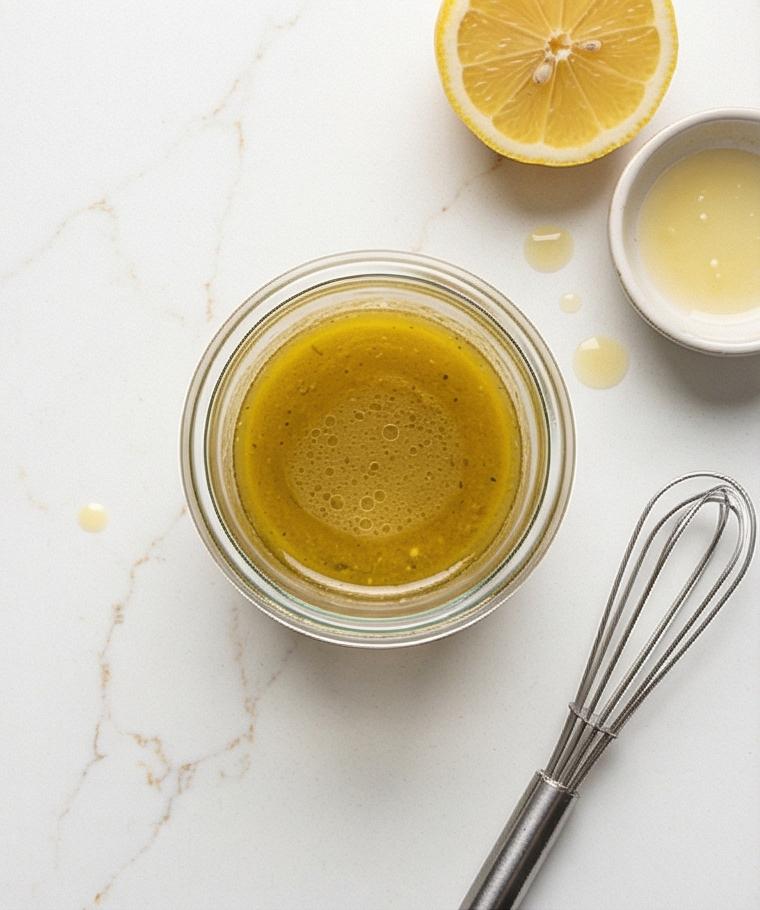
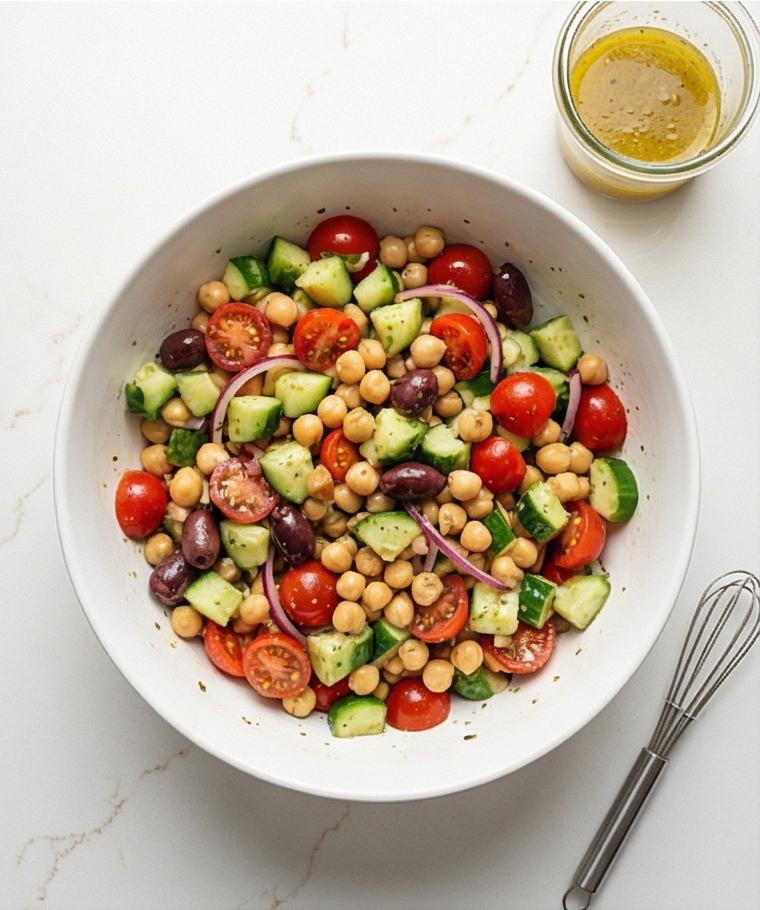
In a small bowl or a clear glass jar combine the extra-virgin olive oil, fresh lemon juice, red wine vinegar, Dijon mustard, the finely minced garlic, dried oregano, fine sea salt, and freshly ground black pepper. Whisk vigorously (or screw the jar lid on and shake) until the mixture is smooth, slightly thickened and emulsified—no pools of oil on the surface—so it takes on a faintly glossy, homogeneous texture. Set the jar on the marble-like surface and leave the whisk or a small spoon resting on the rim for continuity.
Step 2: Let the vinaigrette rest
Let the vinaigrette sit at room temperature for at least ten minutes so the flavors can meld; if it begins to separate, give it a quick shake or whisk to bring the emulsion back together. Use this pause to halve the lemons or measure any remaining tiny bowls of mustard or oregano—everything stays in tidy little vessels on the surface while the dressing calms and mellows.
Step 3: Prepare the vegetables
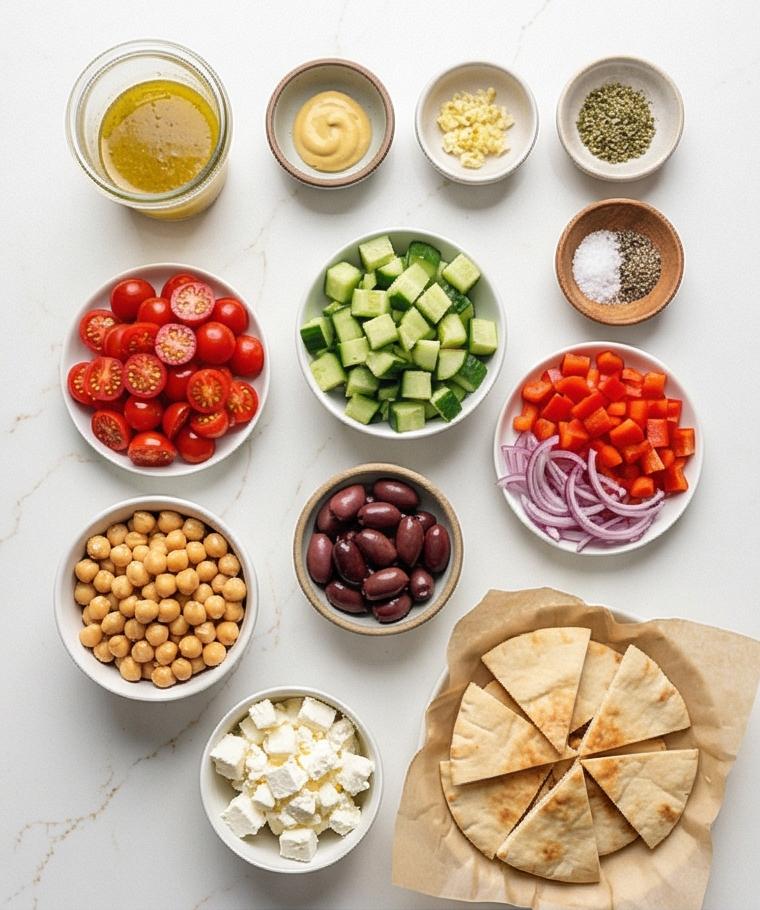
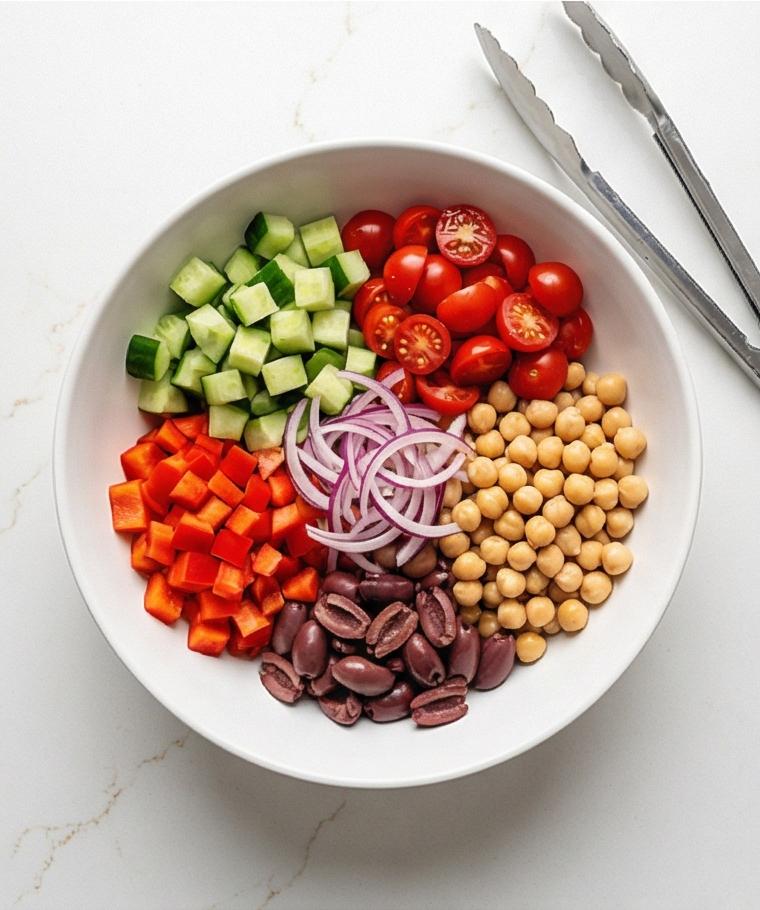
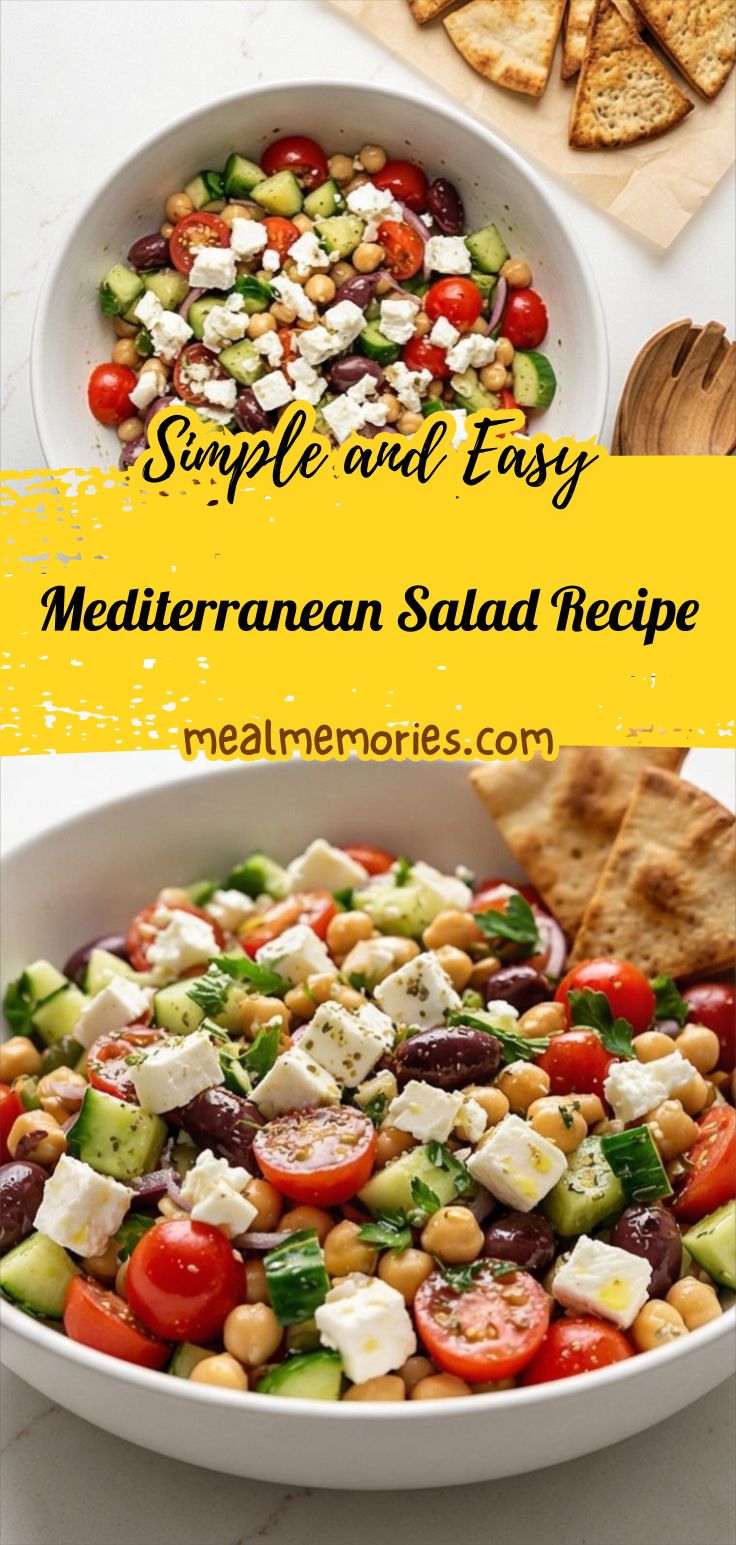
Seed and dice the cucumber into chunky 1/2-inch pieces, halve the cherry tomatoes, dice the red bell pepper to the same generous dice, and very thinly slice the red onion. In a single large matte mixing bowl combine the cucumber, tomatoes, bell pepper, onion, well-drained chickpeas and halved Kalamata olives so that you already see the bold color blocks—cool cucumber green, glossy tomato red, deep purple olives—sitting as distinct textural islands in the bowl.
Step 4: Add the fresh herbs
Scatter the finely chopped flat-leaf parsley and the chopped mint over the mixed vegetables. Toss gently with salad tongs or lift-and-turn motions so the delicate herb leaves fold through the vegetables without bruising; the herbs should appear as bright, feathery flecks distributed evenly among the dice and halves, adding a leafy, matte contrast to the slick tomato skins and watery cucumber cubes.
Step 5: Dress the salad
Give the vinaigrette one last quick whisk, then pour it evenly from the glass jar over the vegetable mixture—aim for a light, even sheen on every piece rather than puddles at the bottom. Toss gently but thoroughly for about half a minute, until every cucumber cube and tomato half carries a subtle glossy coating and tiny specks of oregano cling to the surfaces.
Step 6: Rest the salad
Let the dressed salad stand at room temperature for 10–15 minutes so the vegetables soften ever so slightly and the flavors bloom; give the bowl a single gentle toss halfway through to redistribute juices. The result should look relaxed—vegetables slightly glossy, juice beads settling in the bowl without drowning the pieces.
Step 7: Add the feta
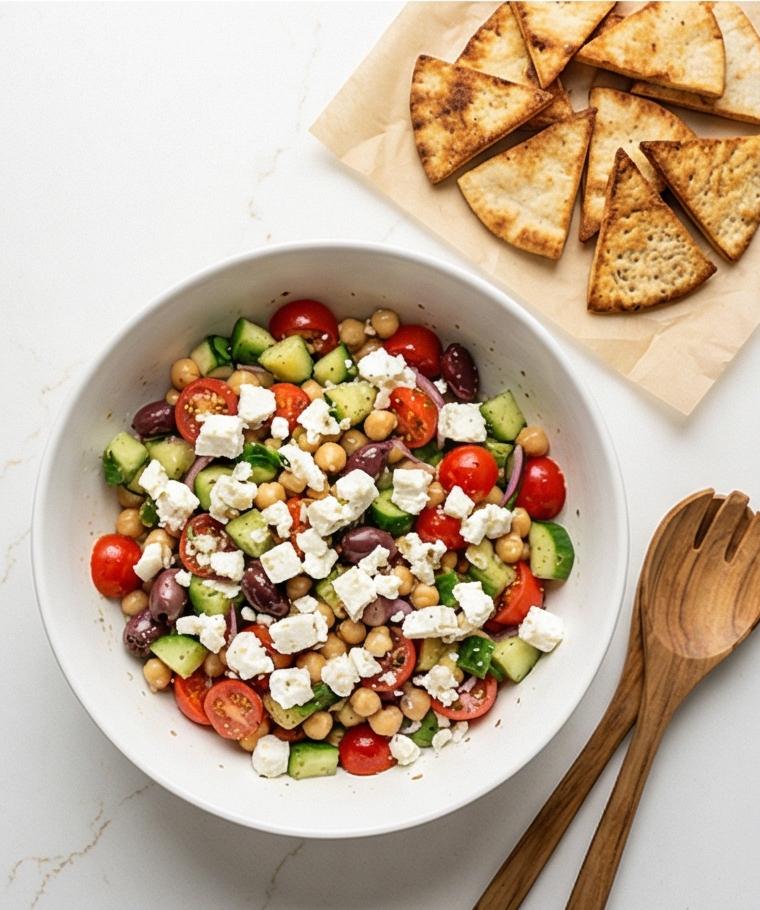
Just before serving, add the cubed or crumbled feta into the mixing bowl and toss very gently for only 10–15 seconds so you preserve visible chunks. The feta should register as creamy matte-white blocks and crumbles distributed across the salad, their crumbly texture contrasting with the crisp vegetables; taste and adjust seasoning with a tiny pinch more salt or a quick squeeze of lemon if you want extra brightness.
Step 8: Optional chilling
If you prefer the salad colder and crisper, cover the bowl and chill for 20–30 minutes in the refrigerator; do not chill longer than two hours, or the tomatoes and cucumbers will begin to weep. When removed from chill, give a light toss and let it come back toward cool-room temperature before plating.
Step 9: Optional toasted pita garnish
If making toasted pita chips, brush pita triangles lightly with a teaspoon of olive oil, sprinkle a tiny pinch of sea salt, and bake until deeply golden at the edges; let them cool completely on the pan so they crisp up. Keep the pita chips separate until serving so they remain boldly crunchy next to the salad’s softer textures.
Step 10: Finish and serve
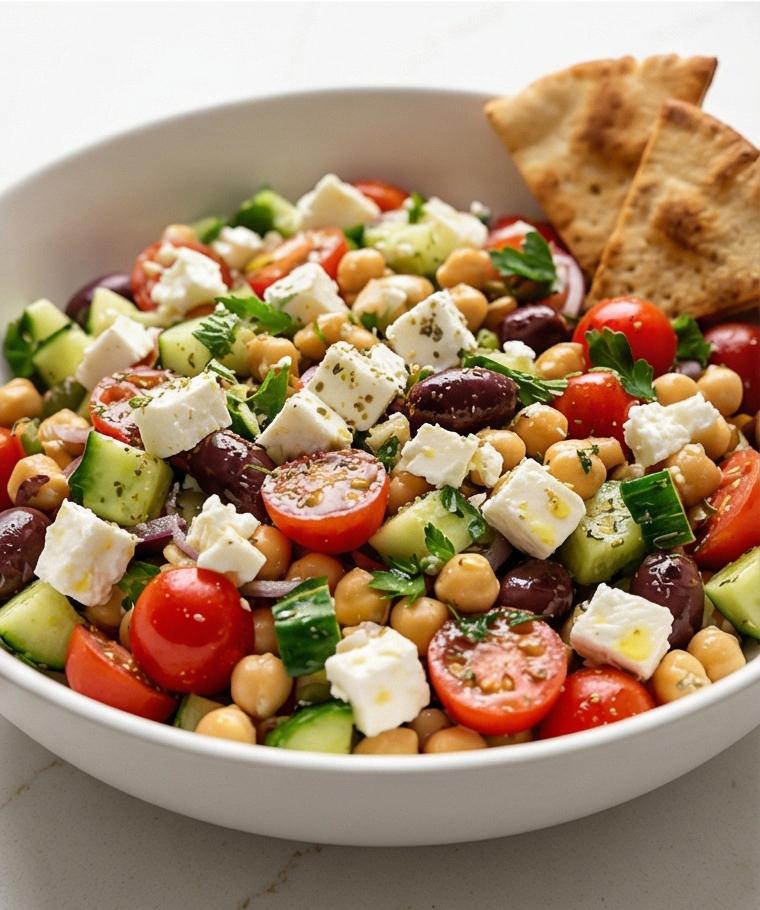
Give the salad a final gentle toss to redistribute the feta and herbs; transfer to a shallow serving platter or wide, matte ceramic bowl so the salad sits spread and layered rather than piled. If desired, finish with a delicate drizzle of extra-virgin olive oil and a light sprinkle of dried oregano. Arrange the cooled pita chips at the rim so they stay crisp and invite dipping.
Step 11: Serving suggestions and storage
Serve this Mediterranean salad slightly chilled or at cool room temperature alongside grilled proteins, hummus or tzatziki. Store any leftovers (without pita) in an airtight container in the refrigerator for up to one day; before serving leftovers, gently stir and refresh with a squeeze of lemon and a light drizzle of olive oil to revive the textures.
Making It Your Own
I often swap a few things depending on the season. In late summer I leave the tomatoes as-is to celebrate their peak flavor. In cooler months I sometimes roast a red pepper for a smoky twist. For a gluten-free version skip the pita and add toasted almonds for crunch. When I want a more protein-forward meal I double the chickpeas and add grilled chicken or seared shrimp. Once I tried capers instead of olives for a sharper brine and the salad got an interesting lift. Small changes like swapping parsley for dill or adding a splash of balsamic can make this Mediterranean Salad Recipe feel new every time.
How to Serve
If I am hosting a casual dinner I pile the salad in a wide shallow bowl so guests can see the colors and reach in easily. For a family meal I serve alongside grilled chicken, lamb kofta, or pan-seared fish and place bowls of hummus and warm pita around the table. To stretch the salad for more guests, serve it on top of torn romaine or cooked bulgur for added bulk.
For plated portions, spoon a generous mound in the center, scatter a few extra herb sprigs, and finish with a light drizzle of olive oil and a sprinkle of dried oregano. Keep pita chips on a separate platter so they stay crisp; offer lemon wedges at the table for extra brightness.
Storage and Reheating Tips
Store leftovers in an airtight container in the refrigerator for up to 24 hours; the vegetables hold best when the feta and any pita are kept separate. Before serving leftover salad, give it a gentle stir, taste for salt, and refresh with a squeeze of lemon and a drizzle of olive oil to perk the flavors.
If you want to transform leftovers into a warm bowl, briefly warm leftover salad in a skillet with a teaspoon of olive oil and add freshly heated grilled protein on top; warm gently just until the protein is hot so the vegetables do not become mushy.
Common Mistakes and How to Avoid Them
Underdressing or overdressing can both be problems. Aim for a light sheen on the vegetables and add more dressing sparingly; you can always add more but you can seldom take it away.
Cutting everything unevenly makes the salad look messy and can give you inconsistent bites. Take an extra minute to dice the vegetables uniformly so each forkful feels balanced.
Final Thoughts
This Mediterranean Salad Recipe is the kind of dish that makes weeknights brighter and weekend gatherings easier. Give it a try and let the flavors surprise you; small adjustments will make it feel like your own.
Frequently Asked Questions
-
What is the best way to store leftovers?
Leftovers keep best in an airtight container in the refrigerator for up to one day; store pita separately. -
Can I use fresh oregano instead of dried?
Yes, use about two teaspoons of finely chopped fresh oregano in place of the dried. -
How do I keep the salad from getting soggy?
Don’t overdress; toss gently and add the feta near the end. Chill only briefly if you like it colder. -
Is this salad suitable for meal prep?
It can work for short-term meal prep if you store dressing separately and add feta just before eating. -
Can I make this vegan?
Yes, omit the feta or swap for a vegan cheese and keep the other ingredients the same.
Mediterranean Salad Recipe
Make Mediterranean Salad Recipe for bright, crunchy sides in minutes—fresh, herb-forward, and ready to serve.
Ingredients
Instructions
Step 1: Prepare the vinaigrette
In a small bowl or a clear glass jar combine the extra-virgin olive oil, fresh lemon juice, red wine vinegar, Dijon mustard, the finely minced garlic, dried oregano, fine sea salt, and freshly ground black pepper. Whisk vigorously (or screw the jar lid on and shake) until the mixture is smooth, slightly thickened and emulsified—no pools of oil on the surface—so it takes on a faintly glossy, homogeneous texture. Set the jar on the marble-like surface and leave the whisk or a small spoon resting on the rim for continuity.
Step 2: Let the vinaigrette rest
Let the vinaigrette sit at room temperature for at least ten minutes so the flavors can meld; if it begins to separate, give it a quick shake or whisk to bring the emulsion back together. Use this pause to halve the lemons or measure any remaining tiny bowls of mustard or oregano—everything stays in tidy little vessels on the surface while the dressing calms and mellows.
Step 3: Prepare the vegetables
Seed and dice the cucumber into chunky 1/2-inch pieces, halve the cherry tomatoes, dice the red bell pepper to the same generous dice, and very thinly slice the red onion. In a single large matte mixing bowl combine the cucumber, tomatoes, bell pepper, onion, well-drained chickpeas and halved Kalamata olives so that you already see the bold color blocks—cool cucumber green, glossy tomato red, deep purple olives—sitting as distinct textural islands in the bowl.
Step 4: Add the fresh herbs
Scatter the finely chopped flat-leaf parsley and the chopped mint over the mixed vegetables. Toss gently with salad tongs or lift-and-turn motions so the delicate herb leaves fold through the vegetables without bruising; the herbs should appear as bright, feathery flecks distributed evenly among the dice and halves, adding a leafy, matte contrast to the slick tomato skins and watery cucumber cubes.
Step 5: Dress the salad
Give the vinaigrette one last quick whisk, then pour it evenly from the glass jar over the vegetable mixture—aim for a light, even sheen on every piece rather than puddles at the bottom. Toss gently but thoroughly for about half a minute, until every cucumber cube and tomato half carries a subtle glossy coating and tiny specks of oregano cling to the surfaces.
Step 6: Rest the salad
Let the dressed salad stand at room temperature for 10–15 minutes so the vegetables soften ever so slightly and the flavors bloom; give the bowl a single gentle toss halfway through to redistribute juices. The result should look relaxed—vegetables slightly glossy, juice beads settling in the bowl without drowning the pieces.
Step 7: Add the feta
Just before serving, add the cubed or crumbled feta into the mixing bowl and toss very gently for only 10–15 seconds so you preserve visible chunks. The feta should register as creamy matte-white blocks and crumbles distributed across the salad, their crumbly texture contrasting with the crisp vegetables; taste and adjust seasoning with a tiny pinch more salt or a quick squeeze of lemon if you want extra brightness.
Step 8: Optional chilling
If you prefer the salad colder and crisper, cover the bowl and chill for 20–30 minutes in the refrigerator; do not chill longer than two hours, or the tomatoes and cucumbers will begin to weep. When removed from chill, give a light toss and let it come back toward cool-room temperature before plating.
Step 9: Optional toasted pita garnish
If making toasted pita chips, brush pita triangles lightly with a teaspoon of olive oil, sprinkle a tiny pinch of sea salt, and bake until deeply golden at the edges; let them cool completely on the pan so they crisp up. Keep the pita chips separate until serving so they remain boldly crunchy next to the salad's softer textures.
Step 10: Finish and serve
Give the salad a final gentle toss to redistribute the feta and herbs; transfer to a shallow serving platter or wide, matte ceramic bowl so the salad sits spread and layered rather than piled. If desired, finish with a delicate drizzle of extra-virgin olive oil and a light sprinkle of dried oregano. Arrange the cooled pita chips at the rim so they stay crisp and invite dipping.
Step 11: Serving suggestions and storage
Serve this Mediterranean salad slightly chilled or at cool room temperature alongside grilled proteins, hummus or tzatziki. Store any leftovers (without pita) in an airtight container in the refrigerator for up to one day; before serving leftovers, gently stir and refresh with a squeeze of lemon and a light drizzle of olive oil to revive the textures.
Notes
- Keep dressing separate if storing for later to prevent soggy vegetables.
- Use ripe tomatoes for best flavor and firm cucumbers to maintain crunch.
- Toast pita triangles until golden and cool completely so they stay crisp.
- Refresh leftovers with a squeeze of lemon and a drizzle of olive oil before serving.