Best Carne Asada Steak Recipe has been my go-to for backyard gatherings and quiet weeknight dinners alike. I first learned this version from a friend who swore that bright citrus and a touch of brown sugar transform skirt steak into something unforgettable. I make it whenever I want a crowd-pleasing main that comes together with a little patience and a lot of sizzle. The balance of tangy lime, orange, and caramelized beef is the reason I keep coming back to this Best Carne Asada Steak Recipe.
There is something about the sizzle when the steak hits a very hot pan that always pulls me into the kitchen. The aromas of garlic and citrus rising with the steam are irresistible, and guests always gather around the stove to watch the crust form. That moment, when you thinly slice the rested meat and see the pink interior meet the smoky exterior, feels like a small victory. I often find myself smiling as I plate it with warm tortillas and slices of avocado; this Best Carne Asada Steak Recipe never fails to make an ordinary evening feel a little more celebratory.
How This Recipe Became My Rainy-Day Favorite
I remember the first time I made this Best Carne Asada Steak Recipe on a rainy evening when plans had been canceled and I wanted something comforting but exciting. The marinade filled the kitchen with the bright scent of lime and orange that chased away the gray weather. I let the steak sit in the fridge for a good six hours so the citrus could soften and the brown sugar could give the edges a gentle sweetness. Cooking it in a screaming hot cast-iron skillet made the house feel cozy; the charred crust contrasted with the tender interior in a way that felt like a small celebration. My partner and I ate tacos on the couch while the rain tapped the windows, and I realized this recipe was now a keeper for both special nights and ordinary ones.
Key Players in the Marinade and What They Do
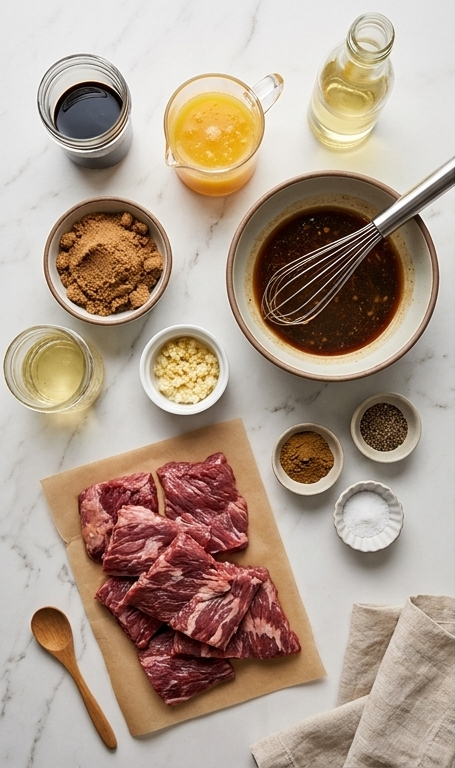
- Low-sodium soy sauce: Provides umami and a salty backbone. Substitute tamari for gluten-free. Look for a clear, amber color and a balanced salt level.
- Fresh lime juice: Adds bright acidity and tenderizes the meat. Lemon works in a pinch but limes are more authentic.
- Orange juice: Softens the citrus edge and adds subtle sweetness; grapefruit juice is a bolder swap.
- Canola oil: Carries flavors and helps with searing. Use vegetable or avocado oil for a higher smoke point.
- Dark brown sugar: Balances acid and helps with caramelization. Use light brown sugar if needed.
- Garlic: Gives savory depth; fresh is best, but 1/2 tsp granulated garlic can work.
- Ground cumin: Adds a warm, earthy note. Toast whole seeds and grind for more aroma.
- Freshly ground black pepper: Anchors the spice profile; freshly ground is key.
- Kosher salt: Use to taste; it seasons and enhances all flavors.
- Skirt steak (or flank/hanger): The star of the dish. Choose good marbling and trim silver skin for even cooking.
Essential Kitchen Tools and Why They Matter
To make this Best Carne Asada Steak Recipe shine, a handful of tools will help you get reliable results. A heavy cast-iron skillet or a very hot grill surface is crucial for that deep char; if you do not have cast iron, a stainless steel pan on high heat will do, though oil management is important. A good set of tongs keeps you safe and precise when turning the steak. A sharp chef’s knife and a sturdy cutting board make slicing against the grain easy and clean. Finally, a mixing bowl and a whisk or fork speed up the marinade work. Alternatives: use a disposable tray for marinating if you want less cleanup, and an instant-read thermometer to double-check doneness.
- Cast-iron skillet or hot grill: For the best sear.
- Tongs: For safe handling and effective flips.
- Sharp chef’s knife: For clean, against-the-grain slices.
- Mixing bowl and whisk: For emulsifying the marinade.
- Zip-top bag or shallow pan: For even marinating.
Step-by-Step Preparation Guide
Step 1: Whisk the Marinade
In a medium mixing bowl whisk together low-sodium soy sauce, fresh lime juice, orange juice, canola oil, packed dark brown sugar, minced garlic, ground cumin and freshly ground black pepper until the sugar is dissolved and the liquid looks glossy and slightly thickened; leave the whisk resting across the rim of the bowl so it carries the evidence of the action. Season lightly with kosher salt to taste as you go, tasting for a bright citrus-salty balance. This is the flavor foundation—vibrant, tangy, and slightly sweet.
Step 2: Coat and Bag the Steaks
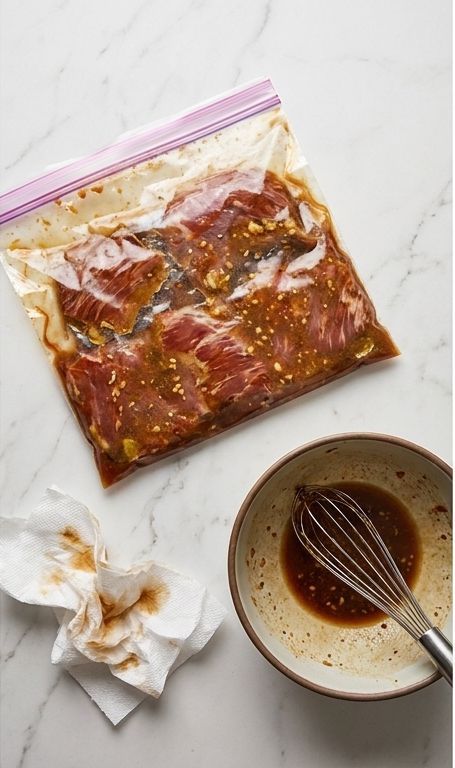
Place trimmed skirt steak pieces (cut with the grain into roughly 5″ pieces) into a large, clean gallon zip-top bag, pour the marinade over the beef, squeeze out excess air, seal, and massage the bag so every surface of the meat is evenly glossed in the marinade. Lay the bag flat so the liquid distributes in a thin layer across the meat, then refrigerate for 2–10 hours, flipping the bag occasionally so the flavors penetrate evenly and the sugar and citrus mellow into the beef.
Step 3: Bring Up to Temperature and Pat Dry
When you’re ready to cook, remove the marinated steaks from the fridge 15–30 minutes before cooking to take the chill off. Open the bag and drain any pooled liquid, then gently wipe the meat with paper towels to remove excess marinade so the surface will char properly—you’re aiming for damp, not dripping. Keep the wiped steaks on a clean board and let residual citrus beads settle.
Step 4: Sear to a Deep Char and Rest
Using a very hot, well-seasoned cast-iron skillet, brush a scant teaspoon of canola oil across the hot surface and carefully lay the steaks down so they sizzle and form a dark, caramelized crust. Cook until the beef releases and a gorgeous char has formed (about 3 minutes per side for that deep exterior color), targeting an internal temperature just under medium-rare. Transfer the steaks to a cutting board and rest 5 minutes so the juices redistribute and the slices remain tender and juicy.
Step 5: Slice, Dress, and Serve
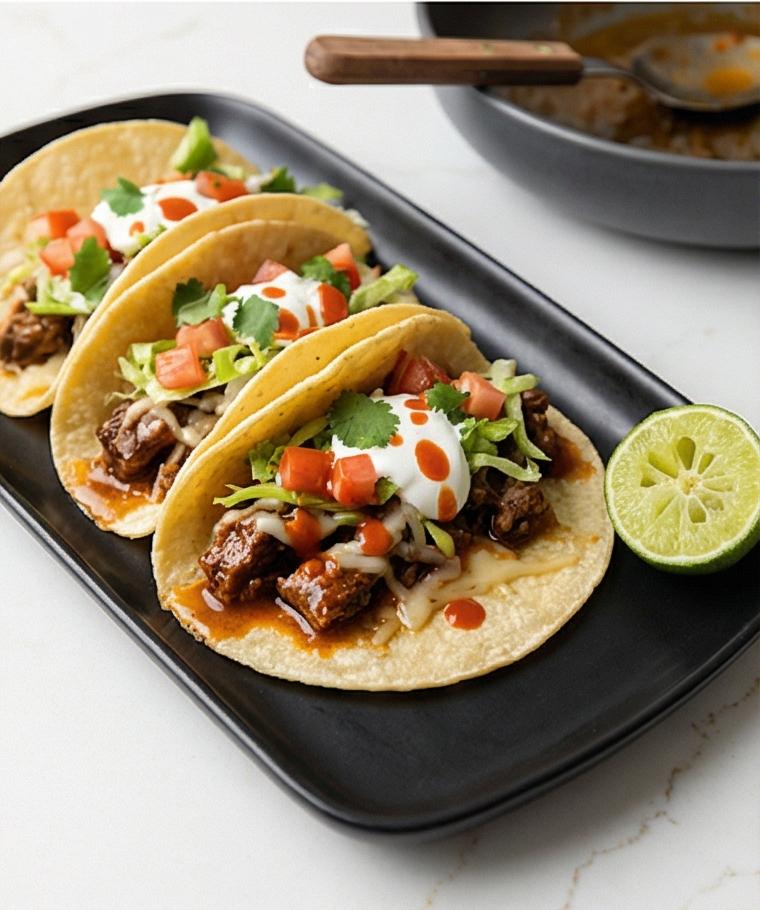
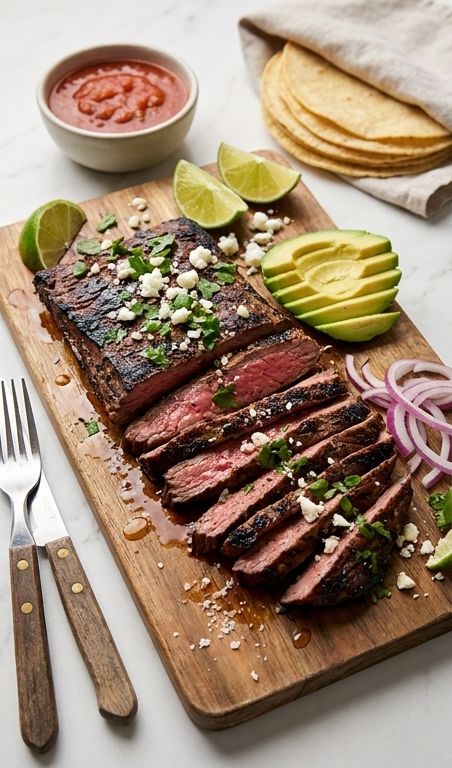
Slice the rested steak thinly against the grain to reveal the warm pink interior and arrange the pieces fanned on a serving board or platter. Drizzle with a squeeze of fresh lime juice and finish with chopped cilantro, crumbled queso fresco, slices of avocado and red or yellow onion, a small side bowl of salsa, and warm tortillas. Plate simply and enjoy the bright citrus notes contrasted with the smoky, caramelized beef.
Making It Your Own
I like to experiment with small swaps to tailor the Best Carne Asada Steak Recipe to the season or my mood. For a smoky twist, add a teaspoon of smoked paprika to the marinade and finish the steak on a charcoal grill for a deeper, embered flavor. For a lighter, fresher take in summer, toss in some chopped jalapeno and thin slices of mango into the toppings. If you need a gluten-free option, swap soy sauce for tamari and serve with corn tortillas. Vegetarian friends? Try the same marinade on thick portobello caps or cauliflower steaks and grill until tender.
How to Serve
When hosting, set up a casual taco bar: warm tortillas, a bowl of roughly chopped cilantro and onion, sliced avocados, wedges of lime, crumbled queso fresco, and at least two salsas with different heat levels. For a family dinner for four, slice the 2 pounds of steak thinly and serve 3 to 4 ounces per person alongside rice and charred vegetables. For a party of eight, double the steak or add grilled chicken and batch-cook the steak in two pans so the char remains fresh. Present the sliced steak fanned on a platter and let guests assemble their own tacos for a relaxed, interactive meal.
Storage and Reheating Tips
Leftover carne asada keeps well. Store cooled, sliced steak in an airtight container in the fridge for up to 3 days. Keep any toppings separate so they stay fresh and crisp.
To reheat, gently warm slices in a skillet over low heat with a splash of beef broth or water to revive the juices; cover briefly so steam helps rehydrate the meat. Avoid microwaving when possible to retain texture, but if you must, use short bursts and add a damp paper towel to maintain moisture.
Common Mistakes and How to Avoid Them
The most common error is over-marinating. Because of the citrus, leave the steak for 2 to 10 hours; beyond that the texture can become mushy. Stick close to the recommended window.
Another mistake is trying to sear wet meat. Pat steaks dry so you get a proper char. Also, resist slicing too early; a short 5-minute rest keeps the slices juicy.
Final Notes and an Invitation
I hope you give this Best Carne Asada Steak Recipe a try soon. It rewards a little advance planning and delivers big on flavor every time. Invite a few friends, warm some tortillas, and let the sizzling skillet do the rest. You may find yourself making it again and again.
Frequently Asked Questions.
- Q: Can I use flank steak instead of skirt steak? A: Yes, flank or hanger work well; slice against the grain for tenderness.
- Q: How long should I marinate the steak? A: 2 to 10 hours is ideal; avoid much longer because the citrus can change texture.
- Q: Can I grill instead of using a skillet? A: Absolutely, a very hot grill gives great char and a hint of smoke.
- Q: How do I know when the steak is done? A: Aim for just under medium-rare; an instant-read thermometer should read about 125 to 130 F for that stage.
- Q: Can I freeze the cooked steak? A: Yes, freeze in a sealed container for up to 2 months; thaw overnight and reheat gently.
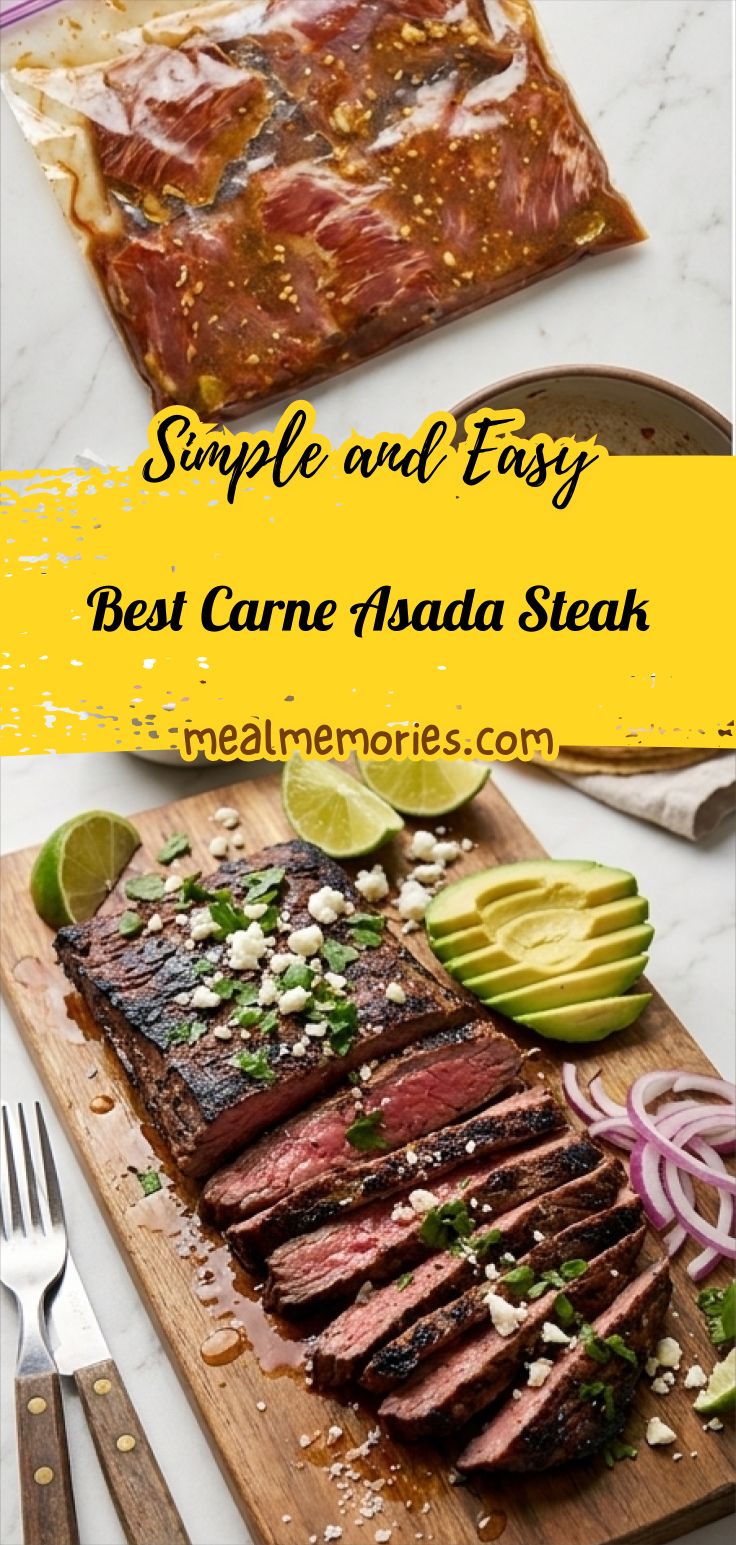
Best Carne Asada Steak Recipe
Make the Best Carne Asada Steak Recipe now: marinate, sear, slice, and serve with warm tortillas and bright toppings.
Ingredients
Instructions
Step 1: Whisk the Marinade
In a medium mixing bowl whisk together low-sodium soy sauce, fresh lime juice, orange juice, canola oil, packed dark brown sugar, minced garlic, ground cumin and freshly ground black pepper until the sugar is dissolved and the liquid looks glossy and slightly thickened; leave the whisk resting across the rim of the bowl so it carries the evidence of the action. Season lightly with kosher salt to taste as you go, tasting for a bright citrus-salty balance. This is the flavor foundation—vibrant, tangy, and slightly sweet.
Step 2: Coat and Bag the Steaks
Place trimmed skirt steak pieces (cut with the grain into roughly 5" pieces) into a large, clean gallon zip-top bag, pour the marinade over the beef, squeeze out excess air, seal, and massage the bag so every surface of the meat is evenly glossed in the marinade. Lay the bag flat so the liquid distributes in a thin layer across the meat, then refrigerate for 2–10 hours, flipping the bag occasionally so the flavors penetrate evenly and the sugar and citrus mellow into the beef.
Step 3: Bring Up to Temperature and Pat Dry
When you're ready to cook, remove the marinated steaks from the fridge 15–30 minutes before cooking to take the chill off. Open the bag and drain any pooled liquid, then gently wipe the meat with paper towels to remove excess marinade so the surface will char properly—you're aiming for damp, not dripping. Keep the wiped steaks on a clean board and let residual citrus beads settle.
Step 4: Sear to a Deep Char and Rest
Using a very hot, well-seasoned cast-iron skillet, brush a scant teaspoon of canola oil across the hot surface and carefully lay the steaks down so they sizzle and form a dark, caramelized crust. Cook until the beef releases and a gorgeous char has formed (about 3 minutes per side for that deep exterior color), targeting an internal temperature just under medium-rare. Transfer the steaks to a cutting board and rest 5 minutes so the juices redistribute and the slices remain tender and juicy.
Step 5: Slice, Dress, and Serve
Slice the rested steak thinly against the grain to reveal the warm pink interior and arrange the pieces fanned on a serving board or platter. Drizzle with a squeeze of fresh lime juice and finish with chopped cilantro, crumbled queso fresco, slices of avocado and red or yellow onion, a small side bowl of salsa, and warm tortillas. Plate simply and enjoy the bright citrus notes contrasted with the smoky, caramelized beef.
Notes
- Pat steaks dry before searing to ensure a deep char.
- Do not marinate longer than 10 hours to avoid mushy texture.
- Let the meat rest 5 minutes after cooking to retain juices.
- Use an instant-read thermometer to hit your desired doneness.
- Keep toppings separate until serving to preserve freshness.