I’ve been making Rhubarb Bars since the first spring my neighbor gifted me a tangle of tart rhubarb from her garden. Those bright stalks turned a rainy afternoon into something alive and hopeful, and the buttery crust became my go-to comfort when I wanted something tangy and tender. Over the years I’ve nudged the recipe here and there, but the heart of it—the crisp crumb, the custardy filling, the jewel-toned rhubarb—stays the same. If you like short, slightly chewy bars with that sweet-and-sour pop, these Rhubarb Bars will feel like a tiny celebration in every bite.
How This Recipe Became My Rainy-Day Favorite
I remember the first time I baked these Rhubarb Bars with a child by my side, little hands pressing the sandy dough into the pan while the rain drummed on the windows. The smell of warm butter and sugar filled the kitchen and we kept peeking at the oven like it was magic. As the bars cooled, the rhubarb pieces glowed like tiny rubies, and when we cut into them the contrast of textures made us both sigh. I felt proud handing him a warm square on a paper plate, watching his eyes widen at the tartness balanced by the soft, creamy filling. That memory lives in every batch I make now; it reminds me that simple desserts often carry the best stories and the smallest rituals—measuring, folding, waiting, and then sharing.
The Ingredients and Why They Matter
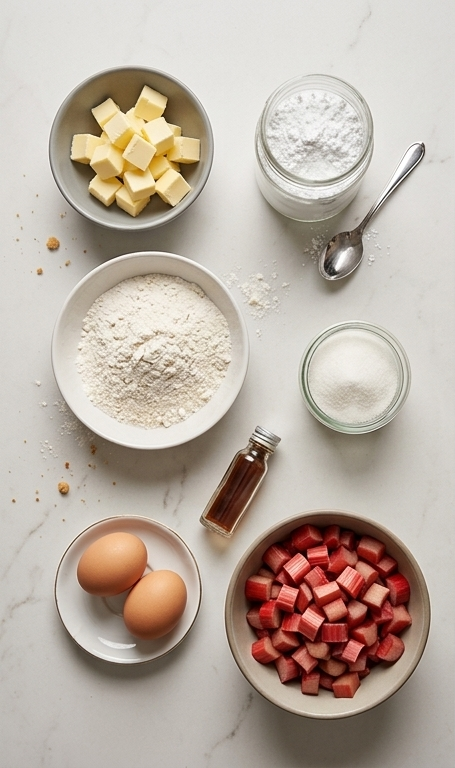
- Butter: Gives the crust its tender, flaky texture and rich flavor. Use cold, diced butter for a sandy crumble. Substitute with chilled vegan butter for a dairy-free option.
- Confectioners’ sugar: Keeps the crust tender and melts into a delicate crumb. You can replace with superfine sugar if needed but the texture changes slightly.
- All-purpose flour: The structural backbone for both crust and filling. For a gluten-free version use a 1-to-1 gluten-free flour blend.
- Eggs: Create the custardy filling and help set the bars. Use room-temperature eggs for an even texture.
- Granulated sugar: Sweetens and helps the filling set; reduce slightly if your rhubarb is very tart.
- Rhubarb: The star ingredient; pick firm, bright stalks and trim fibrous ends. Young stalks are sweeter. Chop uniformly so they cook evenly.
Essential Kitchen Tools You’ll Want
A short intro: this recipe is forgiving, but the right tools make it easier and more consistent.
- 9×9-inch square baking dish: Ensures the bars bake evenly; a glass or metal pan both work. If using a different size, adjust baking time.
- Parchment paper: Critical for lifting the slab out intact. No parchment? Grease the pan well and line the bottom with foil.
- Mixing bowls and a whisk: For combining filling ingredients smoothly. A handheld mixer speeds things up but a whisk is fine.
- Pastry cutter or fingers: For working the cold butter into the flour to a pea-size crumble. If you have none, pulse in a food processor.
- Sharp knife and cutting board: For uniform rhubarb pieces; even chunks mean even baking.
Step-by-Step Preparation Guide
Step 1: Make the crust
Preheat the oven to 350°F and line a 9×9-inch square baking dish with a single sheet of parchment paper, leaving two opposite long edges long for easy removal. In a bowl combine the 1 cup all-purpose flour and ⅓ cup confectioners’ sugar, then work in ½ cup cold diced butter until the pieces are no larger than pea-sized and the mixture reads as a cohesive, sandy crumble with small buttery clusters. Press this compact, slightly pebbly dough evenly into the lined pan so the surface is smooth and level. Bake until the edges are just barely golden, about 12-15 minutes; the crust should feel set, pale golden with a faint crackle where it will give a crisp, tender base.
Step 2: Make the filling and assemble
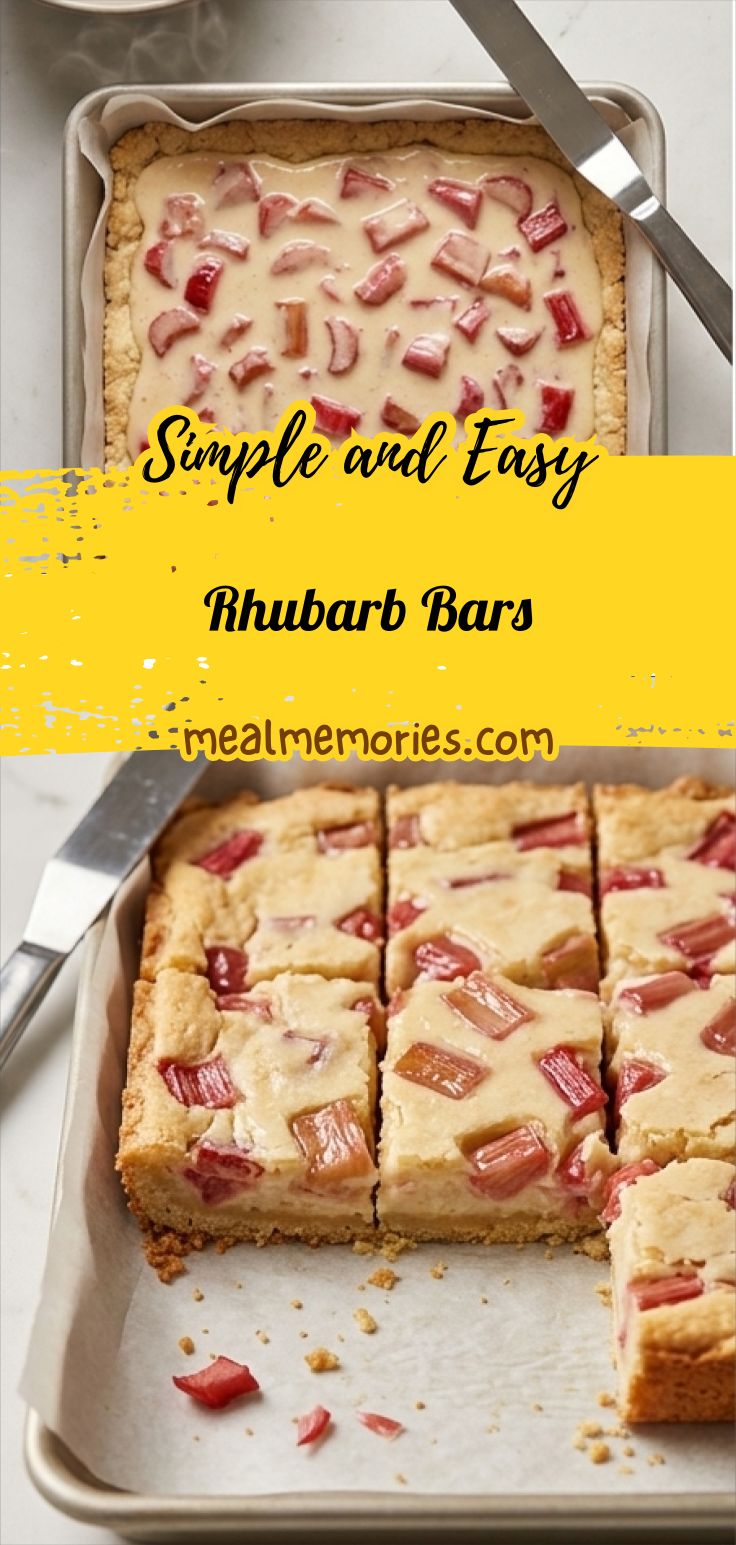
In a medium bowl lightly beat two room-temperature eggs until glossy, then whisk in 1¼ cup granulated sugar, ¼ cup flour, ½ teaspoon kosher salt, ½ teaspoon cinnamon and 1 teaspoon vanilla until the mixture is smooth and pourable – pale, slightly creamy, and syrupy from the sugar. Gently fold in 3½ cups diced rhubarb so the small ruby wedges are evenly distributed and the batter clings around each piece without turning completely pink. Pour this chunky, jewel-toned filling evenly over the hot crust in the same parchment-lined 9×9 pan so the batter nests into the crumbly base and the rhubarb sits visibly throughout the top layer.
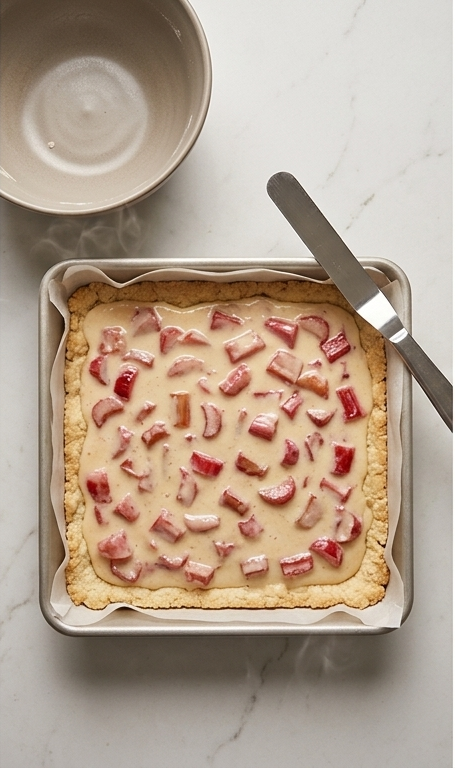
Step 3: Bake until just set and cool
Return the assembled pan to the oven and bake for 35-40 minutes until the filling is almost set – the edges will firm and the center will still have a slight, tremulous jiggle. The top should be a pale, golden sheen with translucent ruby pockets where the rhubarb softened; the interior should read custardy and studded with softened rhubarb pieces while the crust remains a sturdy, crumbly foundation. Remove from the oven and let the bars cool on the white quartzite surface at room temperature for at least 30 minutes so the filling fully firms and the bars slice cleanly.
Step 4: Cut and present
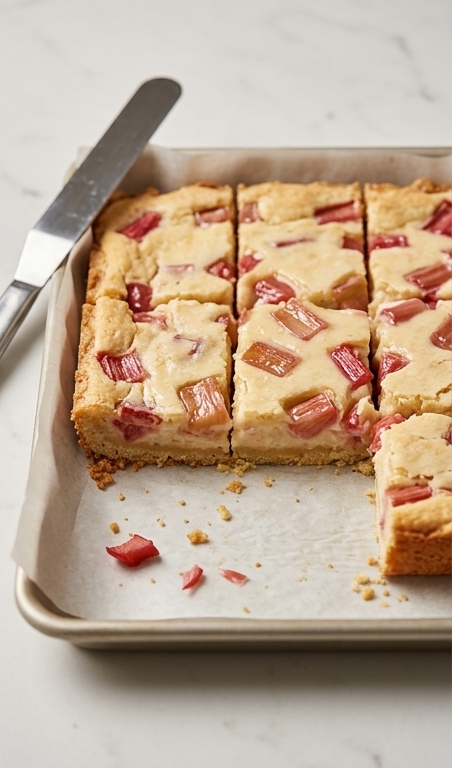
Using the parchment sling, lift the square slab from the pan and cut into bars while the slab is at room temperature or slightly warm; each bar should reveal three clear layers: a compact, golden crumb base, a glossy, creamy rhubarb-studded filling with visible translucent fruit pieces, and a thin, pale, flaky top. Arrange the bars back into the original square geometry of the pan or on a similarly rectangular parchment-lined tray so the final presentation preserves the baked shape and showcases the textural contrast between crumb, custard, and fruit.
Making It Your Own
I like to experiment with these Rhubarb Bars depending on what I find at the market. In early spring I sometimes stir in a handful of chopped strawberries with the rhubarb for a classic flavor pairing. For a gluten-free twist I use a cup-for-cup gluten-free blend and add a teaspoon of xanthan gum to help the filling set. If you need vegan bars, swap the butter for a solid plant-based stick and use a flax “egg” (1 tablespoon ground flaxseed + 3 tablespoons water per egg) though the texture will be slightly softer.
Try regional spins like adding a splash of orange juice and zest for a Mediterranean tilt, or fold in chopped ginger for a warm, spicy note. Every change teaches you something about balance and texture, and small swaps can make the bars suddenly feel new.
How to Serve
Imagine hosting a casual afternoon tea: cut the Rhubarb Bars into small, elegant rectangles and serve on a simple white platter so the pink rhubarb pops. For a brunch crowd arrange them near coffee and yogurt—guests love grabbing a bar alongside a dollop of ricotta or whipped cream. If you need to stretch the recipe for more people, cut thinner slices and plate with fresh berries to add volume.
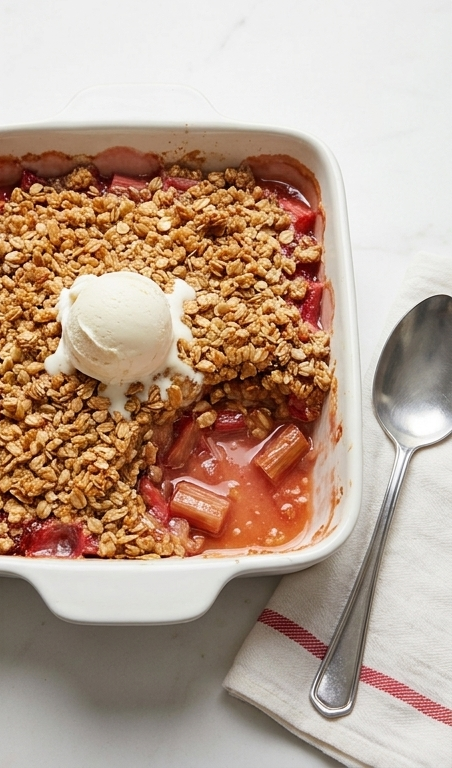
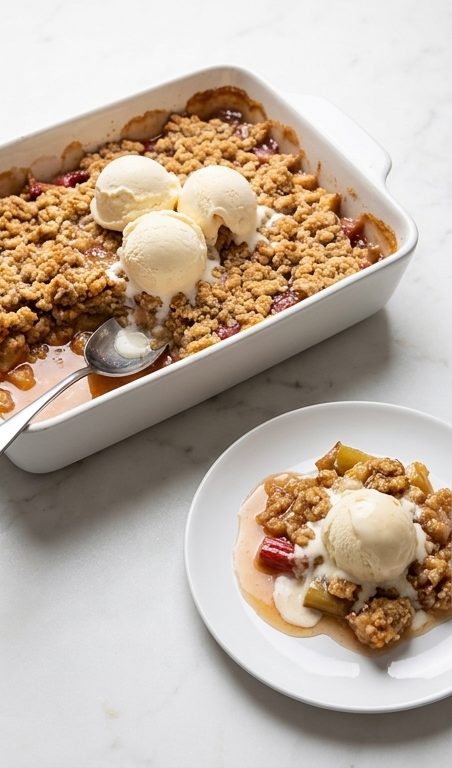
For a dessert course, warm a bar slightly and serve with a scoop of vanilla ice cream or a spoonful of crème fraiche. If serving kids, dust a little confectioners’ sugar on top and pair with milk. For a more grown-up presentation, add a few microgreens or a scattering of toasted almond slivers.
Storage and Reheating Tips
Cool the bars completely before storing them to keep the crust crisp and the filling set. Wrapped tightly in plastic wrap or stored in an airtight container they will keep at room temperature for up to two days without losing their charm.
For longer storage refrigerate for up to five days, or freeze individual bars in a single layer until solid then transfer to a freezer bag for up to three months. Reheat gently in a 300°F oven for 7-10 minutes if frozen, or 4-6 minutes if refrigerated, until just warmed through. Avoid microwaving for long stretches or the crust may soften too much.
Common Mistakes and How to Avoid Them
A few easy missteps can change the texture: overworking the crust melts the butter and makes a dense base, so handle the dough quickly and keep the butter cold. If the filling is too runny, check that the eggs were at room temperature and the flour measured accurately.
Cutting too soon is another trap. Let the bars cool fully so the custard firms; warm slices might crumble. Finally, uneven rhubarb pieces lead to pockets of extra tartness or undercooked bits, so take a minute to chop evenly.
Final Thoughts
If you love bright, nostalgic desserts that balance tart fruit with a tender, buttery base, give these Rhubarb Bars a try. They are forgiving, transportable, and they keep well, so they are perfect for sharing with neighbors or saving a few for yourself. I hope they become one of those simple recipes you reach for when you want comfort with a little springtime spark.
Frequently Asked Questions
- Can I use frozen rhubarb? Yes, but thaw and drain it well so excess liquid does not make the filling too wet. Pat it dry before folding into the batter.
- How should I cut clean bars? Cool completely, then use a sharp knife wiped between cuts. A warm knife gives cleaner slices for slightly chilled bars.
- Can I make the crust ahead of time? Yes, you can parbake the crust and cool it before adding the filling; keep it wrapped until you assemble.
- Is there a way to make these less sweet? Reduce the granulated sugar by 2-4 tablespoons, taste the filling, and adjust if your rhubarb is very tart.
- How do I freeze the bars? Freeze on a tray until solid, then stack with parchment between layers in a freezer bag. Thaw in the fridge overnight before serving.
Rhubarb Bars
Make Rhubarb Bars: bright rhubarb and buttery crust come together in easy, slice-and-serve bars.
Ingredients
Instructions
Step 1: Make the crust
Preheat the oven to 350°F and line a 9x9-inch square baking dish with a single sheet of parchment paper, leaving two opposite long edges long for easy removal. In a bowl combine the 1 cup all-purpose flour and ⅓ cup confectioners' sugar, then work in ½ cup cold diced butter until the pieces are no larger than pea-sized and the mixture reads as a cohesive, sandy crumble with small buttery clusters. Press this compact, slightly pebbly dough evenly into the lined pan so the surface is smooth and level. Bake until the edges are just barely golden, about 12–15 minutes; the crust should feel set, pale golden with a faint crackle where it will give a crisp, tender base.
Step 2: Make the filling and assemble
In a medium bowl lightly beat two room-temperature eggs until glossy, then whisk in 1¼ cup granulated sugar, ¼ cup flour, ½ teaspoon kosher salt, ½ teaspoon cinnamon and 1 teaspoon vanilla until the mixture is smooth and pourable — pale, slightly creamy, and syrupy from the sugar. Gently fold in 3½ cups diced rhubarb so the small ruby wedges are evenly distributed and the batter clings around each piece without turning completely pink. Pour this chunky, jewel-toned filling evenly over the hot crust in the same parchment-lined 9x9 pan so the batter nests into the crumbly base and the rhubarb sits visibly throughout the top layer.
Step 3: Bake until just set and cool
Return the assembled pan to the oven and bake for 35–40 minutes until the filling is almost set — the edges will firm and the center will still have a slight, tremulous jiggle. The top should be a pale, golden sheen with translucent ruby pockets where the rhubarb softened; the interior should read custardy and studded with softened rhubarb pieces while the crust remains a sturdy, crumbly foundation. Remove from the oven and let the bars cool on the white quartzite surface at room temperature for at least 30 minutes so the filling fully firms and the bars slice cleanly.
Step 4: Cut and present
Using the parchment sling, lift the square slab from the pan and cut into bars while the slab is at room temperature or slightly warm; each bar should reveal three clear layers: a compact, golden crumb base, a glossy, creamy rhubarb-studded filling with visible translucent fruit pieces, and a thin, pale, flaky top. Arrange the bars back into the original square geometry of the pan or on a similarly rectangular parchment-lined tray so the final presentation preserves the baked shape and showcases the textural contrast between crumb, custard, and fruit.
Notes
- Keep the butter cold when cutting into the flour for a tender, flaky crust.
- Chop rhubarb into uniform pieces for even cooking.
- Cool bars completely before slicing to get clean edges.
- Freeze individual bars on a tray first, then transfer to a bag for longer storage.
- Reduce sugar slightly if your rhubarb is especially tart.