Buttermilk Biscuits And Gravy Recipe has been a kitchen ritual for me for years, and it still feels like a little weekend celebration every time I make it. I first learned this version while helping a friend prep brunch for a small group, and the warm, flaky biscuits with rich sausage gravy sealed the deal: this is comfort food that also feels thoughtful. I love the tactile steps of folding the dough and the satisfying sizzle when the sausage hits the pan. If you want something that smells like home and impresses guests, the Buttermilk Biscuits And Gravy Recipe will do both.
How This Recipe Became My Rainy-Day Favorite
I remember the first time I made this Buttermilk Biscuits And Gravy Recipe on a slow, rainy Saturday. The house smelled like butter and browned sausage while rain tapped the windows, and every small detail felt amplified. Pressing the cutter into the dough, seeing the layers, and knowing a flaky interior was waiting behind that golden top made each minute feel worth it. When the gravy thickened and the first biscuit split, the steam carried the smell of warmth straight to the living room, and a neighbor wandered in, drawn by the smell. We sat around the table, napkins in our laps, and the simple bowl of biscuits and gravy turned an ordinary day into a memory. The dish is comfort that asks for company and rewards the patience of careful folding and attentive seasoning.
The Main Ingredients and Why They Matter
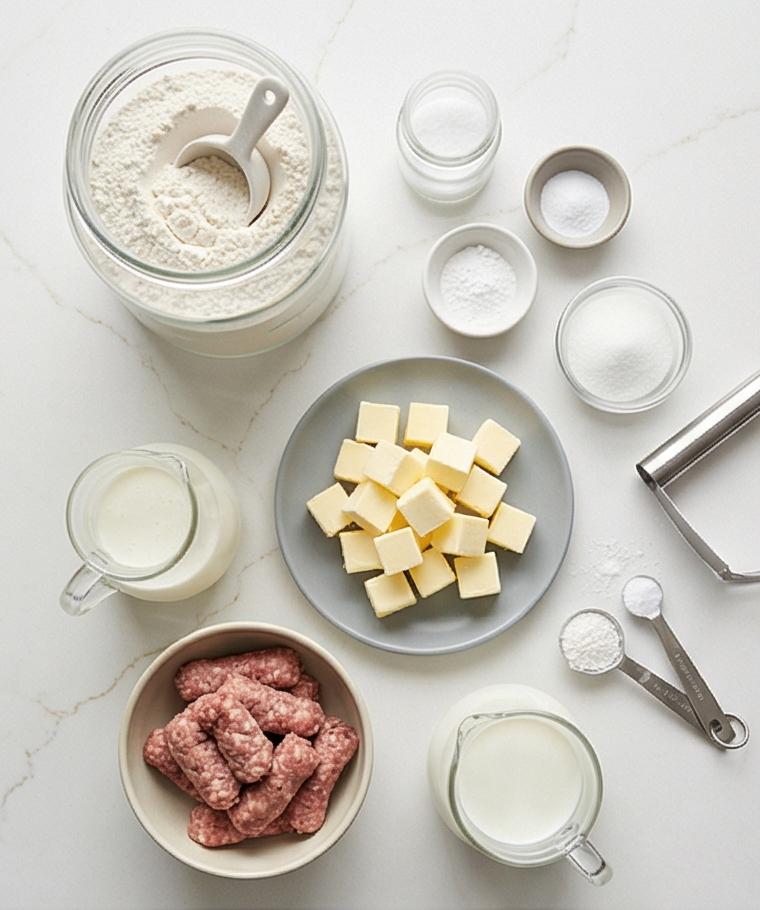
- All-Purpose Flour: The structure builder. Use unbleached for best flavor. Substitute 00 or pastry flour for softer crumbs, but reduce handling slightly.
- Unsalted Butter: The flake maker. Keep it very cold so pockets of fat steam and lift the layers. Use cold vegetable shortening for a different texture.
- Cold Buttermilk: The tang and tenderizer. It reacts with baking soda and gives depth. Cultured buttermilk is best; plain yogurt thinned with milk works in a pinch.
- Bulk Pork Breakfast Sausage: The savory backbone of the gravy. Choose mild or hot depending on your heat tolerance. Turkey sausage can be used but expect less fat for the roux.
- Whole Milk: Creates a silky, rich gravy. For a lighter sauce try 2 percent, but watch the final thickness.
Essential Kitchen Tools You Should Have
A few well chosen tools make this Buttermilk Biscuits And Gravy Recipe feel effortless and help you get consistent results. A sturdy rimmed baking sheet and parchment or silicone mat give even heat and easy cleanup. A pastry cutter or two knives helps keep the butter in little cold pockets. A heavy skillet is critical for browning sausage and making a stable roux.
- Rimmed Baking Sheet and Parchment: Prevents sticking and supports even browning.
- Pastry Cutter or Two Knives: Keeps butter bits cold and creates flakes; a food processor is a fast alternative if you pulse briefly.
- Bench Scraper: For gentle folds and clean edges; use a floured cutter if you do not have one.
- Heavy Skillet (Cast Iron or Stainless): Ensures even browning of sausage and controlled roux; nonstick works but gives less fond.
Step-by-Step Preparation Guide
Step 1: Preheat and prepare the sheet
Preheat the oven to 450°F (232°C) and line a rimmed rectangular baking sheet with parchment or a silicone mat; set it on the engineered quartz surface so it’s ready. Keep a small glass jug of cold buttermilk and a little extra butter cubed and chilled nearby; this keeps everything staged and calm while you move through the biscuit dough steps.
Step 2: Whisk dry, cut in cold butter, and bring to a shaggy dough
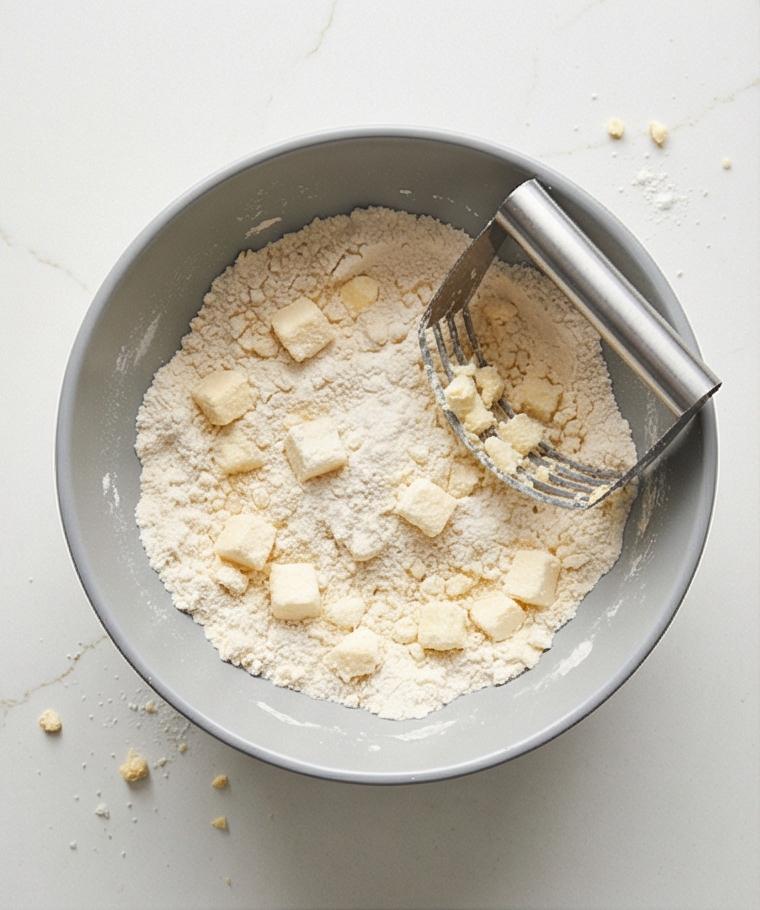
In a modern matte grey ceramic mixing bowl, whisk the all-purpose flour, baking powder, baking soda, kosher salt, and sugar until evenly distributed. Add very-cold, 1/2-inch cubed unsalted butter and quickly cut it into the flour with a pastry cutter or two knives until the mixture resembles coarse crumbs with pea-sized pieces of butter — visible cold pockets are the goal for lift and flake. Make a well, pour in 3/4 cup cold buttermilk, and stir gently from the center outward just until a shaggy mass forms; add 1 to 2 tablespoons more buttermilk only if needed so the dough holds together without becoming sticky. Work quickly, keeping the butter pieces cold and texturally distinct.
Step 3: Pat, fold, and build layered structure
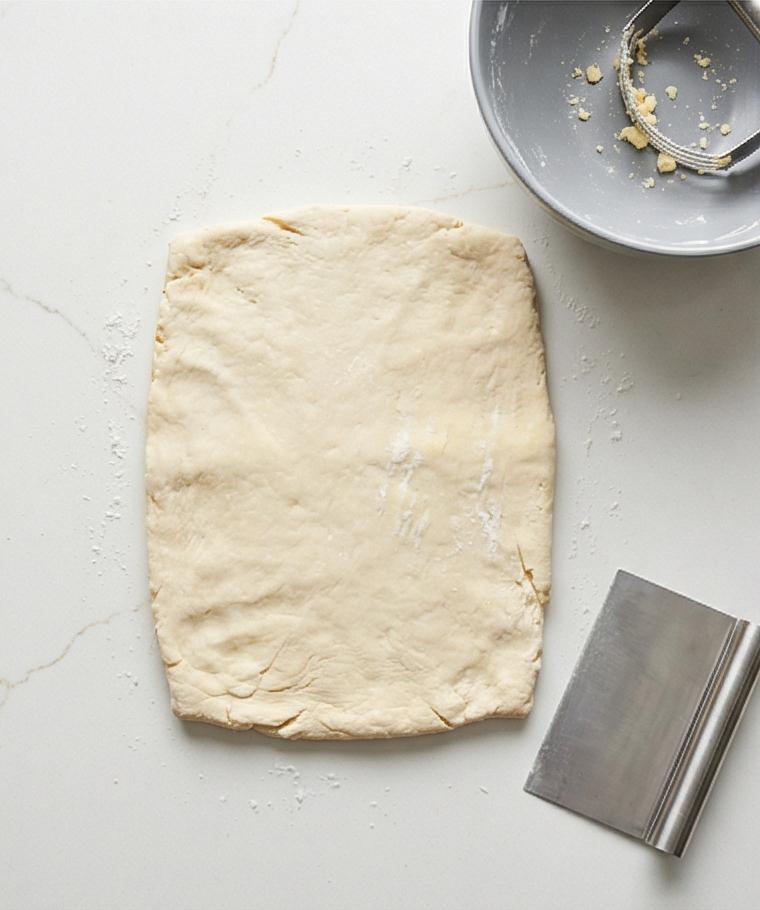
Turn the shaggy dough onto the bright quartz, dust lightly with flour, and gently pat into a rough rectangle about 3/4 inch thick. Use a bench scraper or your hands to fold the rectangle into thirds like a letter, pat back out, and repeat two more times — each gentle fold creates thin, visible lamination and little butter seams that will pop into flakes when baked. Finish by patting the dough to an even thickness of about 1 inch; you should be able to see irregular layers and a slightly glossy sheen where butter is embedded. Keep the matte grey bowl and pastry cutter nearby as quiet witnesses to the process.
Step 4: Cut rounds and arrange on the prepared sheet
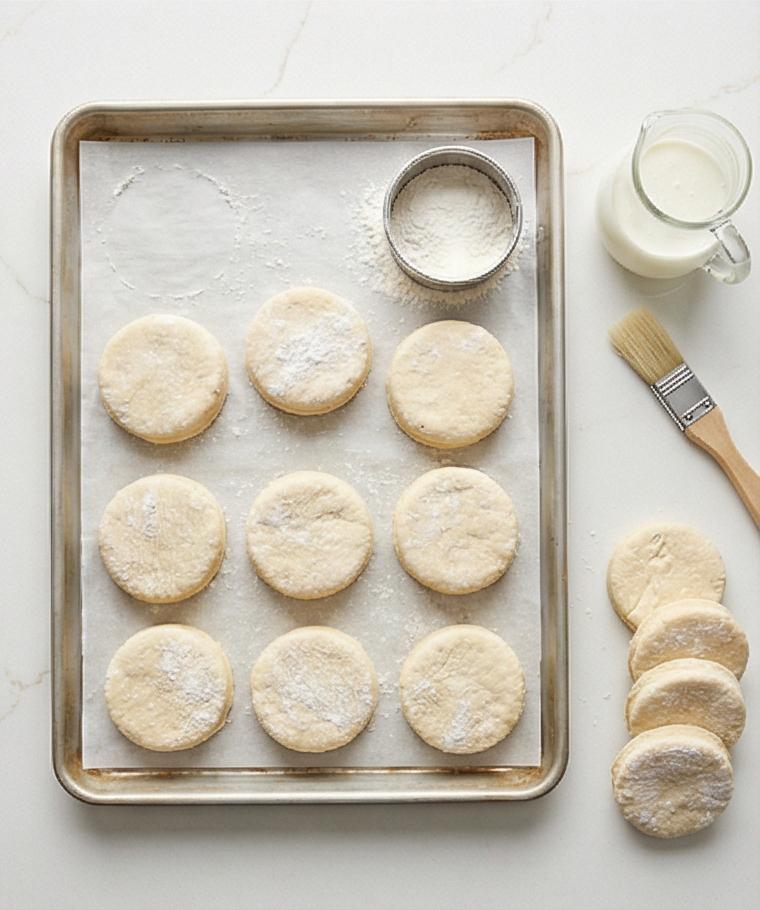
Dip a 2 to 2 1/2-inch round cutter in flour and press straight down into the dough without twisting, producing clean edges. Place each cut round upright on the lined rimmed baking sheet, arranging them so either their sides touch for tender heights or spaced slightly apart for crisper edges. Gently gather scraps, stack lightly (do not knead) and cut additional rounds until you have about 8–10 biscuits. Brush the tops with a little additional cold buttermilk from a small glass jug to encourage a deep golden brown during the short, hot bake.
Step 5: Bake to deep golden, and make the sausage gravy while they rise
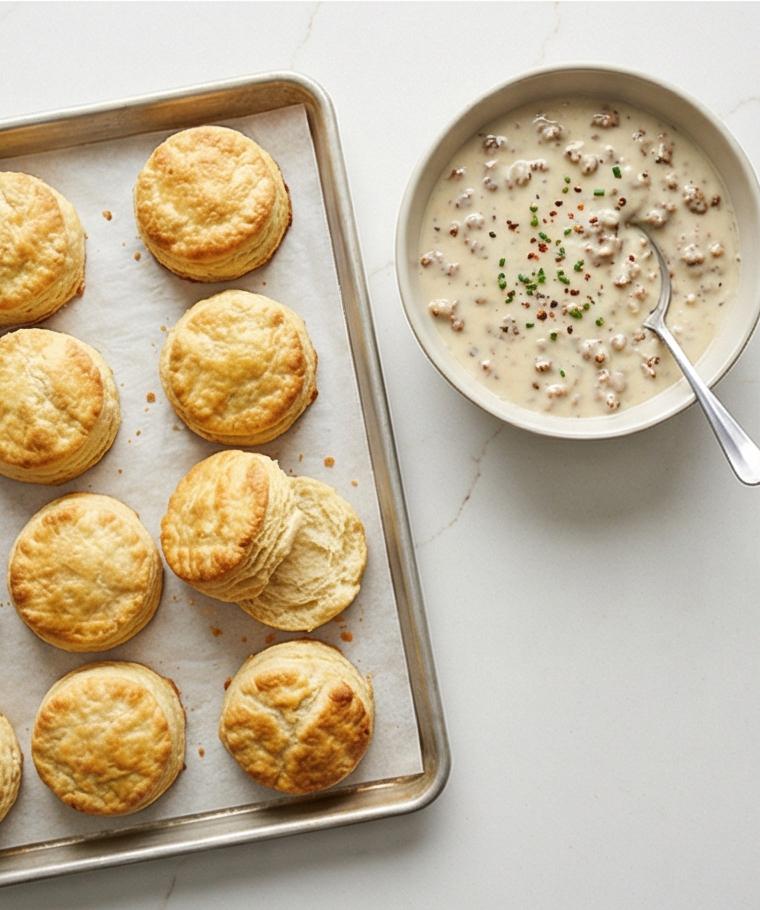
Bake the biscuits at 450°F for 12–15 minutes until well risen and the tops are a deep golden brown; do not open the oven for the first 10 minutes to preserve steam lift. While the biscuits bake, brown bulk pork breakfast sausage in a heavy skillet until the crumbles are deeply browned and no pink remains, then evaluate the pan fat: add a small knob of butter if needed to bring the fat to about 1/4 cup total. Sprinkle flour over the sausage and fat, stirring constantly to create a roux that bubbles gently and smells slightly nutty but does not darken deeply. Gradually stir in the whole milk, starting slowly to loosen the roux, then continue until the gravy is smooth and thickened to a creamy, spoon-coating consistency. Season with kosher salt, freshly ground black pepper, and a pinch of crushed red pepper or cayenne if you like heat; taste and adjust. When the biscuits come out, let them cool slightly on the sheet while you finish and taste the gravy.
Step 6: Split, spoon, garnish, and serve on a rectangular platter
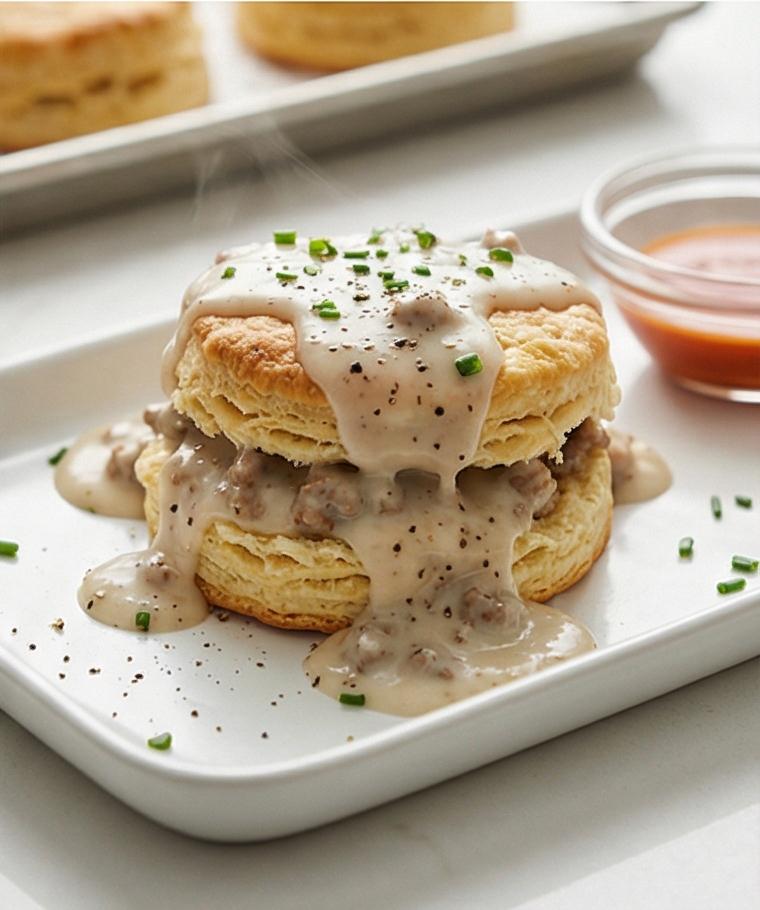
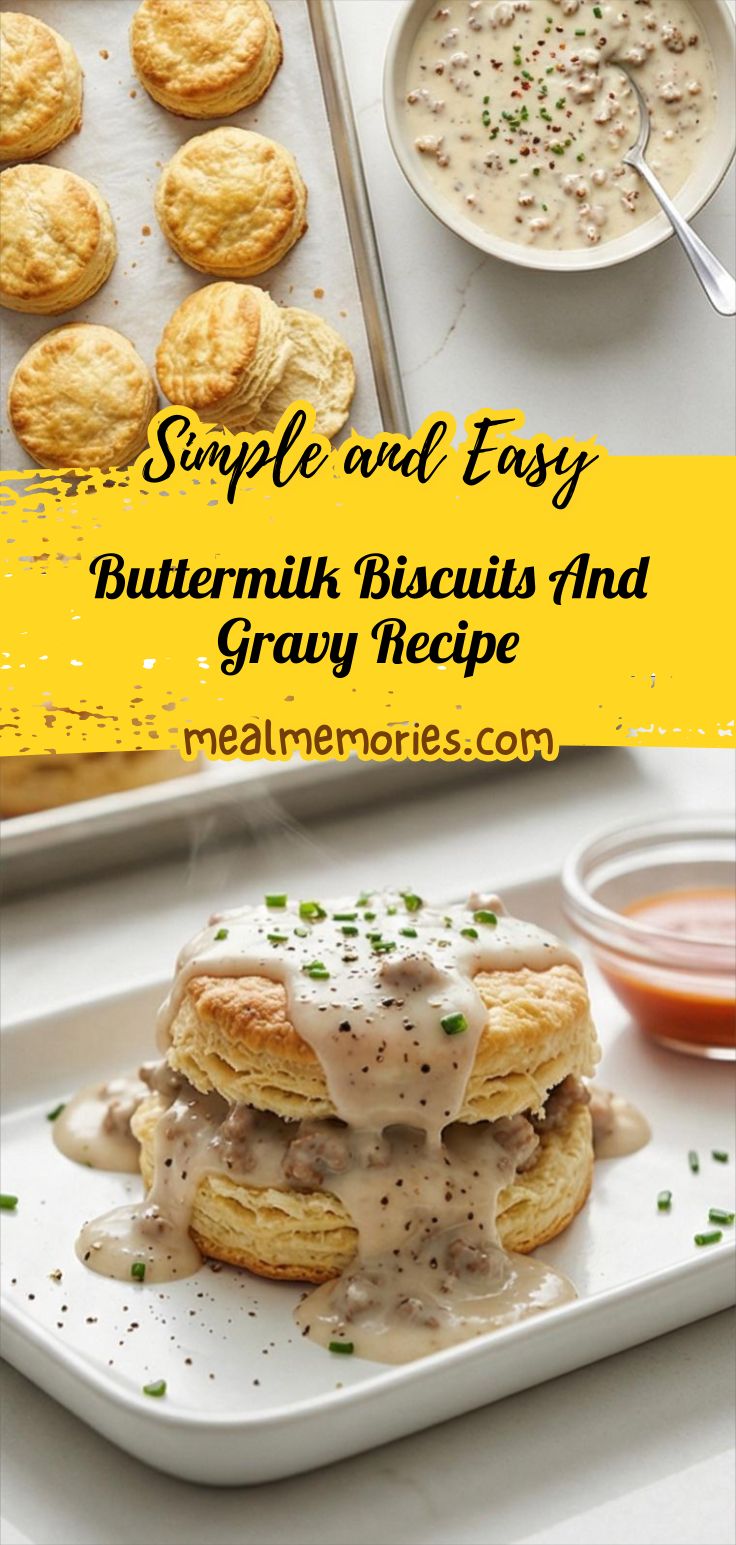
Split warm biscuits horizontally and arrange them on a shallow rectangular white ceramic platter that echoes the rectangular baking sheet. Spoon a generous quantity of hot sausage gravy so it cascades down the flaky layers and pools slightly on the platter; finish with a scatter of finely chopped chives or flat-leaf parsley, a few extra grinds of black pepper, and an optional drizzle of hot sauce on the side. Serve immediately while the biscuits are steaming and the gravy is silky and glossy.
Making It Your Own
I like to experiment with a few small swaps. For a lighter gravy I use ground turkey and add a splash of chicken stock with the milk for more body. In the fall I stir in a pinch of smoked paprika to the sausage for warm, smoky notes. For vegetarian guests I make a mushroom and sage gravy, swapping sausage for finely chopped cremini mushrooms and a splash of soy sauce for depth.
If you want a tenderer biscuit, switch half the flour to pastry flour and handle the dough as little as possible. For a heartier, country-style biscuit try adding 1/4 cup cornmeal to the mix. Each small change affects texture and flavor, so taste and adjust as you go.
How to Serve
If you are hosting, arrange the biscuits on a large platter and keep the gravy in a warm serving dish so guests can spoon as much as they like. For a brunch of eight, double the gravy ingredients and plan on 1 to 2 biscuits per person depending on appetite. Add a crisp green salad and roasted potatoes for balance.
For a cozy dinner, serve split biscuits topped with gravy alongside fried eggs and a side of pickled jalapenos or a simple fruit compote to cut the richness. Garnish with chopped chives or parsley and set a bottle of hot sauce on the table so everyone can adjust the heat.
Storage and Reheating Tips
Leftover biscuits keep well in an airtight container at room temperature for up to 24 hours or in the refrigerator for 3 days. Store the gravy separately in a sealed container to preserve texture and flavor.
To reheat, split biscuits and warm them in a 350°F oven for 5 to 8 minutes until heated through. Reheat gravy gently on the stove over low heat, adding a splash of milk if it has thickened too much. For a single serving, microwave each component briefly, but avoid overcooking the gravy to prevent separation.
Common Mistakes and How to Avoid Them
Not keeping the butter cold is the number one biscuit sin. If the butter melts into the dough you lose the flaky layers, so chill your butter and work quickly. Overworking the dough will also make tough biscuits, so fold gently.
For the gravy, a burnt roux or adding milk too fast will give you lumps. Cook the flour just until it smells slightly nutty, then whisk in milk gradually. Taste and adjust seasoning at the end so the salt level is just right.
Final Thoughts and Encouragement
Give this Buttermilk Biscuits And Gravy Recipe a try on a weekend morning or for an easy dinner that feels special. The hands-on technique rewards you with flaky biscuits and a silky, savory gravy that bring people to the table. Don’t be afraid to tweak seasoning and swaps to match your pantry and preferences. Have fun, and enjoy the warm, comforting result.
Frequently Asked Questions.
- What makes biscuits flaky and tall? A: Cold butter and minimal handling create pockets of steam that lift layers, so work quickly and keep ingredients chilled.
- Can I make the dough ahead of time? A: Yes, you can shape and refrigerate the dough for up to 24 hours; bring to cold oven temperature before baking and add a minute or two to the bake time.
- How do I fix lumpy gravy? A: Whisk vigorously while adding milk slowly, or push the gravy through a fine sieve and return to the pan, adding a bit more milk if needed.
- Can I use buttermilk substitutes? A: Thin plain yogurt or milk soured with a teaspoon of vinegar per cup works in a pinch, but cultured buttermilk gives the best tang and rise.
- How do I adjust spice level? A: Use hot sausage or add crushed red pepper flakes or cayenne to the gravy; taste and add slowly until you reach the heat you like.
Buttermilk Biscuits And Gravy Recipe
Make Buttermilk Biscuits And Gravy Recipe: flaky biscuits and creamy sausage gravy, ready to serve in about 40 minutes.
Ingredients
Instructions
Step 1: Preheat and prepare the sheet
Preheat the oven to 450°F (232°C) and line a rimmed rectangular baking sheet with parchment or a silicone mat; set it on the engineered quartz surface so it's ready. Keep a small glass jug of cold buttermilk and a little extra butter cubed and chilled nearby; this keeps everything staged and calm while you move through the biscuit dough steps.
Step 2: Whisk dry, cut in cold butter, and bring to a shaggy dough
In a modern matte grey ceramic mixing bowl, whisk the all-purpose flour, baking powder, baking soda, kosher salt, and sugar until evenly distributed. Add very-cold, 1/2-inch cubed unsalted butter and quickly cut it into the flour with a pastry cutter or two knives until the mixture resembles coarse crumbs with pea-sized pieces of butter — visible cold pockets are the goal for lift and flake. Make a well, pour in 3/4 cup cold buttermilk, and stir gently from the center outward just until a shaggy mass forms; add 1 to 2 tablespoons more buttermilk only if needed so the dough holds together without becoming sticky. Work quickly, keeping the butter pieces cold and texturally distinct.
Step 3: Pat, fold, and build layered structure
Turn the shaggy dough onto the bright quartz, dust lightly with flour, and gently pat into a rough rectangle about 3/4 inch thick. Use a bench scraper or your hands to fold the rectangle into thirds like a letter, pat back out, and repeat two more times — each gentle fold creates thin, visible lamination and little butter seams that will pop into flakes when baked. Finish by patting the dough to an even thickness of about 1 inch; you should be able to see irregular layers and a slightly glossy sheen where butter is embedded. Keep the matte grey bowl and pastry cutter nearby as quiet witnesses to the process.
Step 4: Cut rounds and arrange on the prepared sheet
Dip a 2 to 2 1/2-inch round cutter in flour and press straight down into the dough without twisting, producing clean edges. Place each cut round upright on the lined rimmed baking sheet, arranging them so either their sides touch for tender heights or spaced slightly apart for crisper edges. Gently gather scraps, stack lightly (do not knead) and cut additional rounds until you have about 8–10 biscuits. Brush the tops with a little additional cold buttermilk from a small glass jug to encourage a deep golden brown during the short, hot bake.
Step 5: Bake to deep golden, and make the sausage gravy while they rise
Bake the biscuits at 450°F for 12–15 minutes until well risen and the tops are a deep golden brown; do not open the oven for the first 10 minutes to preserve steam lift. While the biscuits bake, brown bulk pork breakfast sausage in a heavy skillet until the crumbles are deeply browned and no pink remains, then evaluate the pan fat: add a small knob of butter if needed to bring the fat to about 1/4 cup total. Sprinkle flour over the sausage and fat, stirring constantly to create a roux that bubbles gently and smells slightly nutty but does not darken deeply. Gradually stir in the whole milk, starting slowly to loosen the roux, then continue until the gravy is smooth and thickened to a creamy, spoon-coating consistency. Season with kosher salt, freshly ground black pepper, and a pinch of crushed red pepper or cayenne if you like heat; taste and adjust. When the biscuits come out, let them cool slightly on the sheet while you finish and taste the gravy.
Step 6: Split, spoon, garnish, and serve on a rectangular platter
Split warm biscuits horizontally and arrange them on a shallow rectangular white ceramic platter that echoes the rectangular baking sheet. Spoon a generous quantity of hot sausage gravy so it cascades down the flaky layers and pools slightly on the platter; finish with a scatter of finely chopped chives or flat-leaf parsley, a few extra grinds of black pepper, and an optional drizzle of hot sauce on the side. Serve immediately while the biscuits are steaming and the gravy is silky and glossy.
Notes
- Keep butter very cold and handle the dough as little as possible to ensure flaky biscuits.
- Brush tops with cold buttermilk for a deeper golden color.
- Cook the sausage until well browned and stir in flour gradually to avoid lumps in the gravy.
- Store biscuits and gravy separately to preserve texture; reheat gravy slowly and thin with milk if necessary.