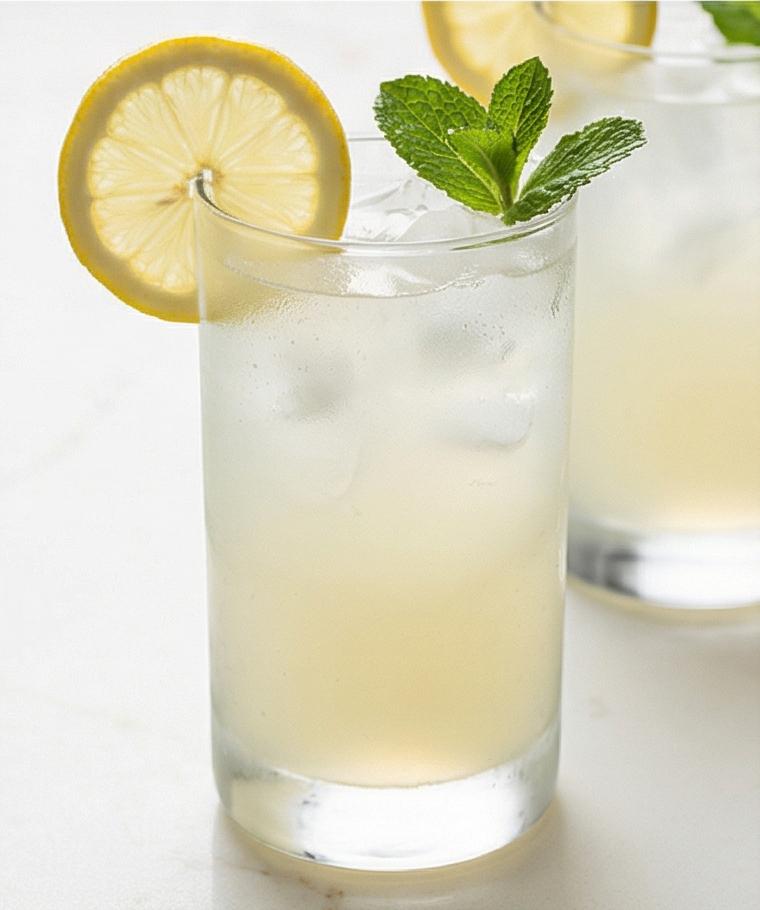
Iced Tea Recipe has been my go-to for hot afternoons and lazy weekends for as long as I can remember. I love how a simple balance of tea, sugar, and a squeeze of lemon becomes something everyone reaches for. I make this Iced Tea Recipe when friends drop by because it is forgiving, quick, and endlessly adaptable. Whether you want something bright and tart or subtly sweet, it hits the right note every time.
How This Recipe Became My Rainy-Day Favorite
The first time I made this Iced Tea Recipe at home I was trying to recreate the crisp, sun-warm flavors of a roadside cafe I loved on a road trip. I remember the kitchen filling with the warm, toasted aroma of steeping tea and the glossy shimmer of the simple syrup as I poured it into the jar. There was a sudden quiet as everyone took their first sip, eyes closing for a beat, and I felt proud and relieved all at once. That memory of amber liquid, cool condensation on glasses, and the bright pop of lemon has stuck with me. Now I make a pitcher whenever the days feel heavy or when guests wander in, and the ritual itself feels like a small celebration.
Why These Ingredients Matter
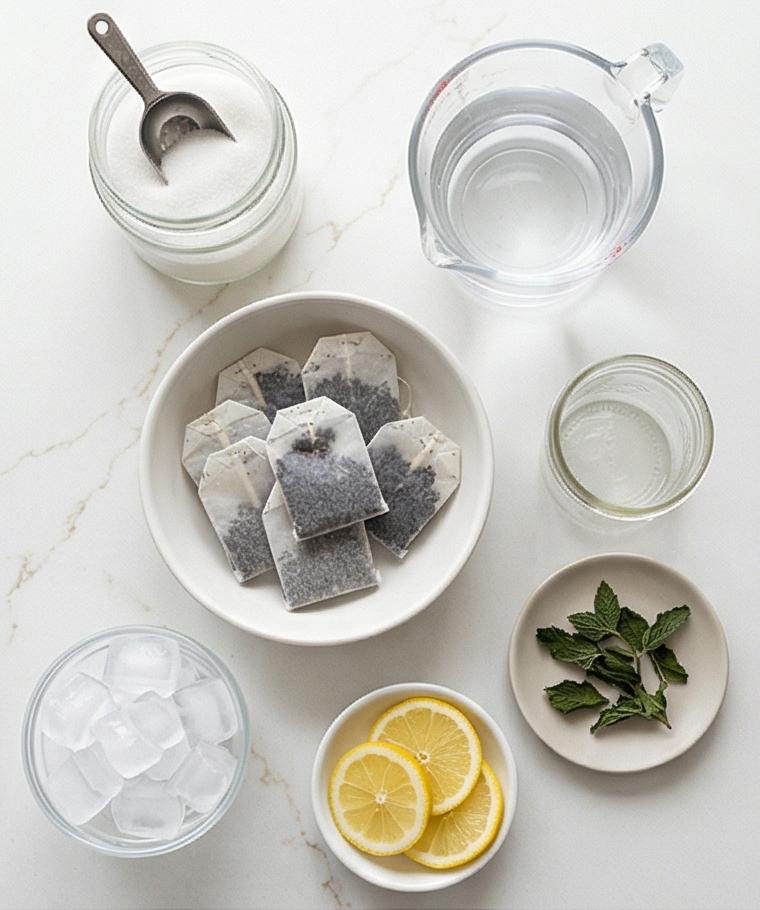
- 1 cup (240 ml) water, at room temperature, for simple syrup: Provides the liquid base for the syrup; use filtered water for a clean flavor. Sub: honey needs gentle warming and will change flavor.
- 1 cup (200 g) granulated sugar: Sweetens evenly and dissolves smoothly; use cane or raw for a deeper flavor.
- 4 cups (960 ml) water, just off the boil: Extracts full flavor from black tea; avoid boiling to prevent bitterness.
- 8 standard black tea bags: The backbone of the recipe; try Assam for strength or Ceylon for brightness.
- 3 cups cold water: Dilutes the concentrate; very cold water chills quickly.
- 4 cups ice cubes: Rapid chilling and dilution control.
- 2 tablespoons lemon juice: Adds bright acidity; use fresh for best taste.
- Lemon slices and mint: Garnishes that add aroma and visual appeal.
Essential Tools for the Best Iced Tea
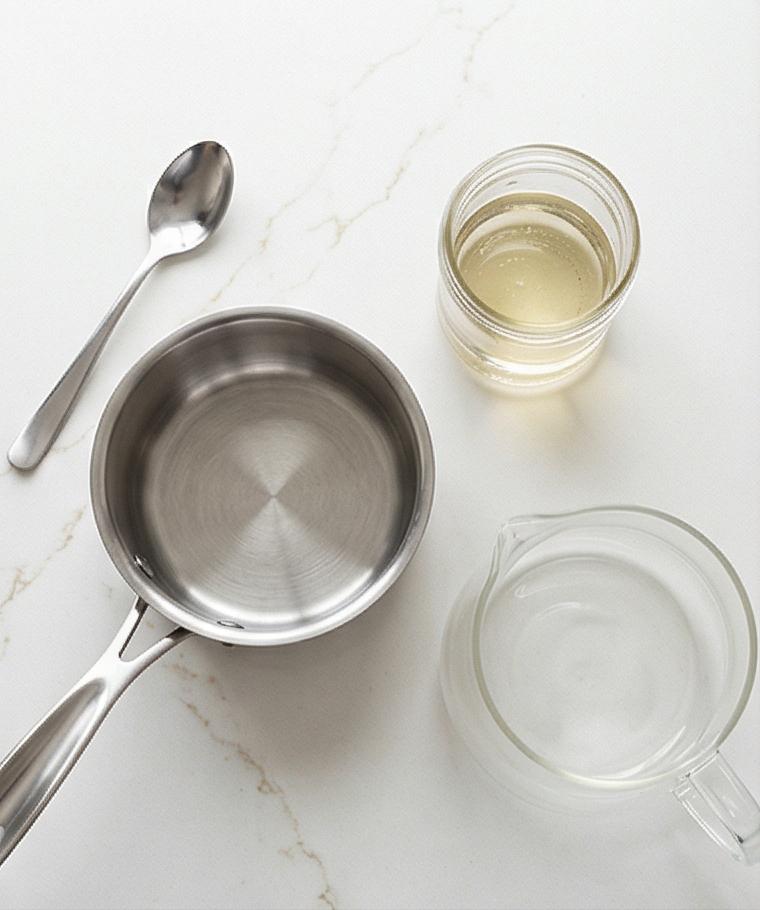
Making great iced tea is as much about tools as it is about ingredients. A heatproof pitcher and a small saucepan make the process smooth and safe. Use the long teaspoon to press bags gently and tongs to transfer them without drips. A small glass jar keeps simple syrup neat in the fridge, while a shallow bowl and a small plate help keep your workspace tidy.
- Heatproof glass pitcher: For steeping and chilling; clear glass shows color and clarity.
- Small saucepan: For syrup; stainless conducts heat evenly.
- Long metal teaspoon and tongs: For pressing and removing tea bags.
- Small glass jar: For storing syrup; a secure lid keeps it fresh.
- Ice cube trays and tall glasses: For serving; consider silicone trays for clear cubes alternatives.
Step-by-Step Preparation Guide.
Step 1: Prepare equipment and determine yield
Select a clear heatproof glass pitcher that holds at least 2 quarts (2 liters) and a small stainless saucepan for making syrup; set a long metal teaspoon and a pair of tongs nearby. Arrange a tall glass or two for later service and a small jar to hold the finished simple syrup. Keep an empty shallow bowl for tea bags and a small plate for garnishes close at hand so everything stays within reach and on the single work surface.
Step 2: Make the simple syrup
Combine one cup of room-temperature water and one cup of granulated sugar in the small stainless saucepan and heat gently over medium until the sugar dissolves and the liquid appears clear and glossy, stirring occasionally with the long teaspoon. Remove from heat as soon as it becomes a transparent syrup — it should be viscous but still fluid; avoid browning. Pour or transfer the warm syrup into the small glass jar so its clear, amber sheen is visible.
Step 3: Cool the simple syrup
Let the syrup cool to room temperature on the quartz surface; for faster cooling nest the jar in a shallow ice bath and stir frequently until it reaches a cool, pourable state. Once the syrup is no longer warm, cap the jar and set it beside the empty pitcher so it’s ready for sweetening the hot tea.
Step 4: Heat the water for the tea
Bring four cups of water to a full boil separately, then remove from heat and let it sit 1–2 minutes so the temperature drops to around 200°F (93°C). This slightly cooled-but-still-hot water is ideal for extracting a rounded, full flavor from standard black tea without excessive bitterness.
Step 5: Steep the tea
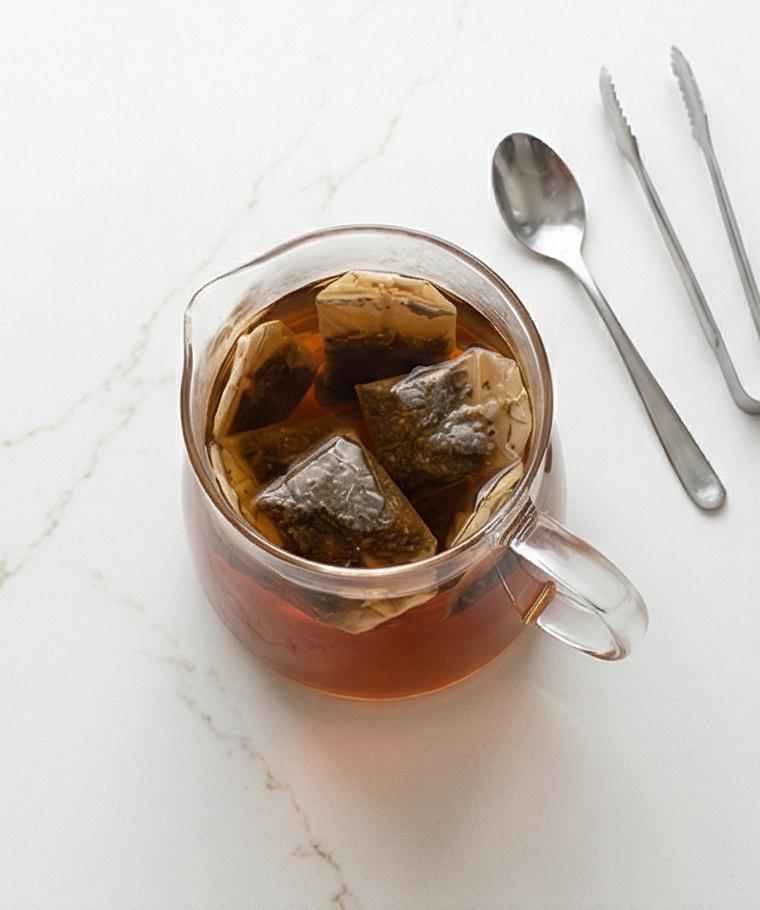
Place eight black tea bags into the heatproof glass pitcher and pour the hot, off-boil water over them so the bags are fully submerged. Use the long teaspoon to gently press the bags down and ensure even saturation; the liquid should quickly deepen to a rich amber and smell fragrantly of toasted leaves.
Step 6: Remove the tea bags
After 4–5 minutes of steeping, lift each bag out with the tongs and rest it on the shallow bowl to drain, giving a gentle press against the pitcher’s side with the spoon to release excess liquor but avoiding a hard squeeze that would extract bitter tannins. Discard the used bags and leave the clear, steeped tea in the pitcher.
Step 7: Sweeten the hot tea
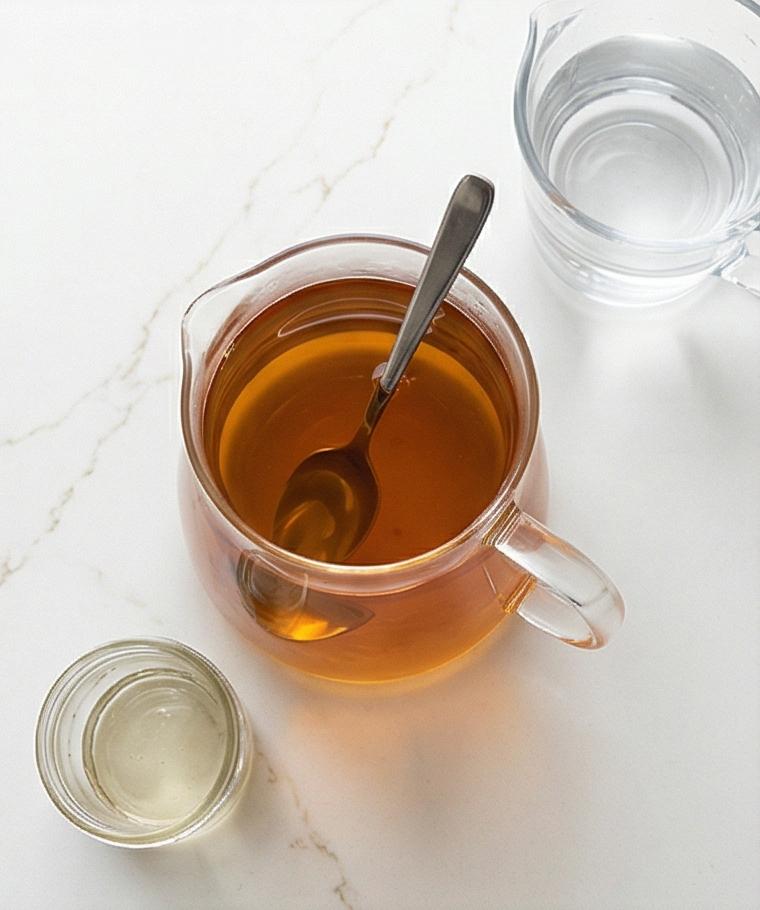
While the steeped tea is still warm (but not piping), stir in the cooled simple syrup a few tablespoons at a time with the long teaspoon, tasting as you go — start with a moderate amount and increase to preference. The syrup should incorporate cleanly, leaving the tea bright and clear rather than cloudy, with a subtle glossy surface sheen where the liquid catches the light.
Step 8: Dilute with cold water
Add three cups of very cold water to the pitcher and stir gently until the color becomes a clear, medium amber and the temperature is noticeably lower. The dilution should produce a translucent, even-hued iced tea base; set the pitcher on the marble-inspired quartz so it cools uniformly before rapid chilling.
Step 9: Rapidly chill with ice
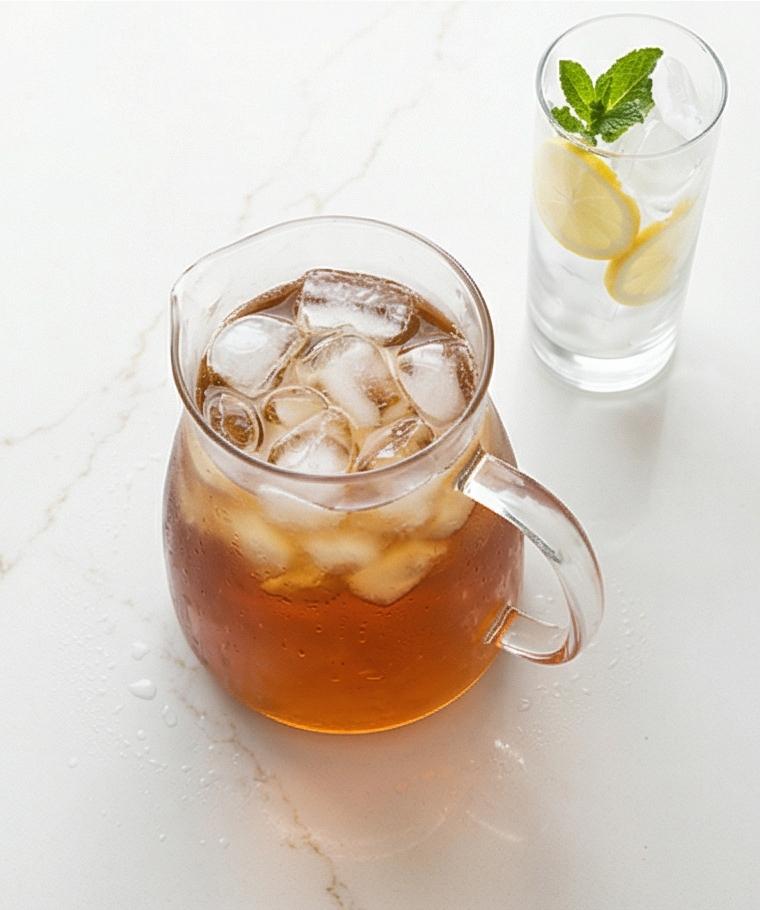
Add about four cups of clear ice cubes to the pitcher and stir slowly but continuously for a few minutes until the tea is well-chilled and most of the ice has melted slightly, bringing the mixture down to a refreshing temperature. The liquid should remain clear and bright, with the ice looking crystalline and slightly frosted as it melts into the amber tea.
Step 10: Adjust sweetness and acidity
Taste and adjust: if you prefer sweeter tea, add more simple syrup one tablespoon at a time and stir; for brightness, stir in two tablespoons of freshly squeezed, chilled lemon juice. Mix until the flavors are balanced and the surface remains clear. Keep a few thin lemon slices and a sprig of mint ready for garnish.
Step 11: Refrigerate before serving
Cover the pitcher and transfer it to the refrigerator for at least one hour, up to three hours, until the tea is uniformly chilled to near refrigerator temperature. This resting time mellows and integrates the flavors so each pour tastes rounded and consistent.
Step 12: Prepare garnishes and serving glasses
Just before serving, thinly slice chilled lemon and rinse and pat dry fresh mint sprigs. Fill tall glasses three-quarters full with fresh ice cubes so the glasses will be cold and ready to receive the iced tea; arrange the lemon slices and mint on a small plate for quick garnishing.
Step 13: Serve the iced tea
Give the chilled pitcher a gentle stir, then pour the clear amber tea into the prepared ice-filled glasses, leaving a small gap at the top. Garnish each glass with a thin lemon slice and a mint sprig so the drink reads fresh and aromatic; the glass should show fine beads of condensation and a crisp, translucent ice structure.
Step 14: Storage and serving suggestions
Store any leftover iced tea covered in the refrigerator without lemon for up to three days, adding lemon just before serving to maintain clarity. Stir gently before each pour and enjoy alongside grilled mains, sandwiches, or light salads for a balanced, refreshing accompaniment.

Making It Your Own
Try a few small experiments to make this Iced Tea Recipe feel uniquely yours. Swap the plain sugar for a honey syrup for a floral, softer sweetness; use a 1:1 honey to water ratio but warm gently so it mixes. For a fruity twist, muddle a handful of raspberries or sliced peaches in the bottom of the pitcher before chilling and strain lightly for a smoother finish.
If you want herbal notes, steep a few sprigs of mint or basil with the tea bags for the last minute and remove them with the bags. To keep it vegan while adding depth, replace some sugar with coconut sugar but expect a darker hue and caramel notes.
Rotate tea types seasonally: a smoky Lapsang Souchong works for autumn, and a lighter Darjeeling reads bright in spring.
How to Serve
If you are hosting a dinner, bring the pitcher to the table with a tray of garnishes so guests can customize. For a crowd of eight, plan on one standard pitcher per 6 to 8 people and keep extra ice in a cooler so glasses stay crisp without over-diluting the main pitcher.
For brunch, offer small carafes of simple syrup, lemon wedges, and a bowl of fresh mint so guests can sweeten and brighten to taste. For a formal gathering, serve in tall fluted glasses with oversized clear ice cubes to reduce dilution and keep the look elegant.
Consider chilled glasses: pop them in the freezer while you make the tea for an especially refreshing presentation.
Storage and Reheating Tips
Iced tea keeps best refrigerated without citrus in it. Pour any unused tea into a sealed container and use within three days. Adding lemon slices before storage can cloud the tea and accelerate flavor changes, so add citrus just before serving.
If you want to warm leftover iced tea for a cool evening, gently heat it on the stove over low heat until it is just warm; do not boil. You may want to add a wedge of orange or a cinnamon stick to make a cozy, spiced hot tea variation.
Common Mistakes and How to Avoid Them
Oversteeping is the easiest way to ruin the flavor. Follow the 4 to 5 minute guideline and press gently, not hard, when removing bags to avoid bitter tannins.
Adding lemon too early will cloud the tea. Keep citrus to the very end and add only as much as you like. Finally, avoid over-icing right away; melt a little with stirring to achieve the right chill without watering down the taste too quickly.
Ready to Try It?
Pour yourself a tall glass, take a moment to enjoy the aroma, and invite someone to share it. This Iced Tea Recipe is simple, reliable, and flexible enough for you to make it your own—so grab the teabags and the jar of sugar and start steeping.
Frequently Asked Questions.
- Can I use loose-leaf tea instead of tea bags? Yes. Use about 2 teaspoons of loose black tea per bag equivalent and steep in a tea infuser or a sieve so you can remove the leaves cleanly.
- How long will the iced tea last in the fridge? Stored without lemon, refrigerated iced tea will stay good for up to three days. Add lemon right before serving for best clarity and flavor.
- Can I make the simple syrup ahead of time? Absolutely. Simple syrup stores well in a sealed jar in the fridge for up to two weeks. Shake before using if it thickens slightly.
- How do I make the tea less bitter? Reduce steeping time to 3 to 4 minutes, use off-boil water around 200°F (93°C), and avoid squeezing the tea bags hard when removing them.
- Is there a sugar-free option? Yes. Replace the simple syrup with a water-soluble sweetener like erythritol or stevia syrup, adding gradually to taste.

Iced Tea Recipe
Iced Tea Recipe: Make bright, refreshing iced tea with simple syrup and lemon for a crowd-ready summer drink.
Ingredients
Instructions
Step 1: Prepare equipment and determine yield
Select a clear heatproof glass pitcher that holds at least 2 quarts (2 liters) and a small stainless saucepan for making syrup; set a long metal teaspoon and a pair of tongs nearby. Arrange a tall glass or two for later service and a small jar to hold the finished simple syrup. Keep an empty shallow bowl for tea bags and a small plate for garnishes close at hand so everything stays within reach and on the single work surface.
Step 2: Make the simple syrup
Combine one cup of room-temperature water and one cup of granulated sugar in the small stainless saucepan and heat gently over medium until the sugar dissolves and the liquid appears clear and glossy, stirring occasionally with the long teaspoon. Remove from heat as soon as it becomes a transparent syrup — it should be viscous but still fluid; avoid browning. Pour or transfer the warm syrup into the small glass jar so its clear, amber sheen is visible.
Step 3: Cool the simple syrup
Let the syrup cool to room temperature on the quartz surface; for faster cooling nest the jar in a shallow ice bath and stir frequently until it reaches a cool, pourable state. Once the syrup is no longer warm, cap the jar and set it beside the empty pitcher so it’s ready for sweetening the hot tea.
Step 4: Heat the water for the tea
Bring four cups of water to a full boil separately, then remove from heat and let it sit 1–2 minutes so the temperature drops to around 200°F (93°C). This slightly cooled-but-still-hot water is ideal for extracting a rounded, full flavor from standard black tea without excessive bitterness.
Step 5: Steep the tea
Place eight black tea bags into the heatproof glass pitcher and pour the hot, off-boil water over them so the bags are fully submerged. Use the long teaspoon to gently press the bags down and ensure even saturation; the liquid should quickly deepen to a rich amber and smell fragrantly of toasted leaves.
Step 6: Remove the tea bags
After 4–5 minutes of steeping, lift each bag out with the tongs and rest it on the shallow bowl to drain, giving a gentle press against the pitcher’s side with the spoon to release excess liquor but avoiding a hard squeeze that would extract bitter tannins. Discard the used bags and leave the clear, steeped tea in the pitcher.
Step 7: Sweeten the hot tea
While the steeped tea is still warm (but not piping), stir in the cooled simple syrup a few tablespoons at a time with the long teaspoon, tasting as you go — start with a moderate amount and increase to preference. The syrup should incorporate cleanly, leaving the tea bright and clear rather than cloudy, with a subtle glossy surface sheen where the liquid catches the light.
Step 8: Dilute with cold water
Add three cups of very cold water to the pitcher and stir gently until the color becomes a clear, medium amber and the temperature is noticeably lower. The dilution should produce a translucent, even-hued iced tea base; set the pitcher on the marble-inspired quartz so it cools uniformly before rapid chilling.
Step 9: Rapidly chill with ice
Add about four cups of clear ice cubes to the pitcher and stir slowly but continuously for a few minutes until the tea is well-chilled and most of the ice has melted slightly, bringing the mixture down to a refreshing temperature. The liquid should remain clear and bright, with the ice looking crystalline and slightly frosted as it melts into the amber tea.
Step 10: Adjust sweetness and acidity
Taste and adjust: if you prefer sweeter tea, add more simple syrup one tablespoon at a time and stir; for brightness, stir in two tablespoons of freshly squeezed, chilled lemon juice. Mix until the flavors are balanced and the surface remains clear. Keep a few thin lemon slices and a sprig of mint ready for garnish.
Step 11: Refrigerate before serving
Cover the pitcher and transfer it to the refrigerator for at least one hour, up to three hours, until the tea is uniformly chilled to near refrigerator temperature. This resting time mellows and integrates the flavors so each pour tastes rounded and consistent.
Step 12: Prepare garnishes and serving glasses
Just before serving, thinly slice chilled lemon and rinse and pat dry fresh mint sprigs. Fill tall glasses three-quarters full with fresh ice cubes so the glasses will be cold and ready to receive the iced tea; arrange the lemon slices and mint on a small plate for quick garnishing.
Step 13: Serve the iced tea
Give the chilled pitcher a gentle stir, then pour the clear amber tea into the prepared ice-filled glasses, leaving a small gap at the top. Garnish each glass with a thin lemon slice and a mint sprig so the drink reads fresh and aromatic; the glass should show fine beads of condensation and a crisp, translucent ice structure.
Step 14: Storage and serving suggestions
Store any leftover iced tea covered in the refrigerator without lemon for up to three days, adding lemon just before serving to maintain clarity. Stir gently before each pour and enjoy alongside grilled mains, sandwiches, or light salads for a balanced, refreshing accompaniment.
Notes
- Use filtered water for the cleanest tea flavor.
- Add lemon only just before serving to keep the tea clear.
- Store simple syrup in a sealed jar in the fridge for up to two weeks.
- Use clear ice or large cubes to reduce fast dilution.
- Taste as you sweeten to avoid over-sugaring the batch.