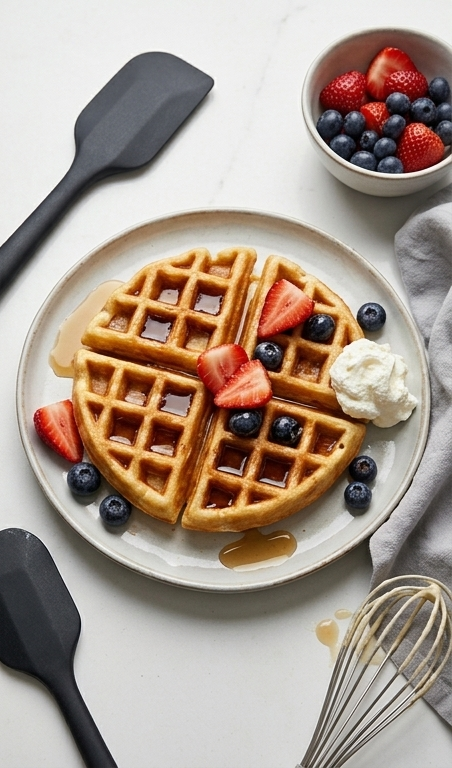
I still remember the first time I pulled a German Pancakes Recipe out of the oven and watched it balloon up like a golden cloud. It feels like a small kitchen miracle every time, which is why this German Pancakes Recipe has become my go-to for cozy weekend mornings. I love how simple ingredients transform into something dramatic and almost theatrical, with crisp edges and a custardy center. If you want an easy recipe that feels fancy without the fuss, this German Pancakes Recipe is worth trying this weekend.
How This Recipe Became My Rainy-Day Favorite
There was one slow, rainy afternoon when I first learned how forgiving this recipe is. I had the oven on, the scent of browned butter filling the kitchen, and the gentle hiss of rain against the windows. As the batter hit the hot, buttered dish the edges began to puff immediately in the heat and I felt a small thrill watching it rise. When I pulled it out, steam curled from the surface and the edges were perfectly crisp while the center held a soft, custard-like jiggle. I remember the lemon squeezing sharp and bright against the sweet powdered sugar, the berries popping with a cool burst as they met the warm pancake. Sitting down with a plate and a mug of coffee, it felt like a tiny celebration that made a gloomy day into something warm and hopeful.
The Ingredients That Make It Sing
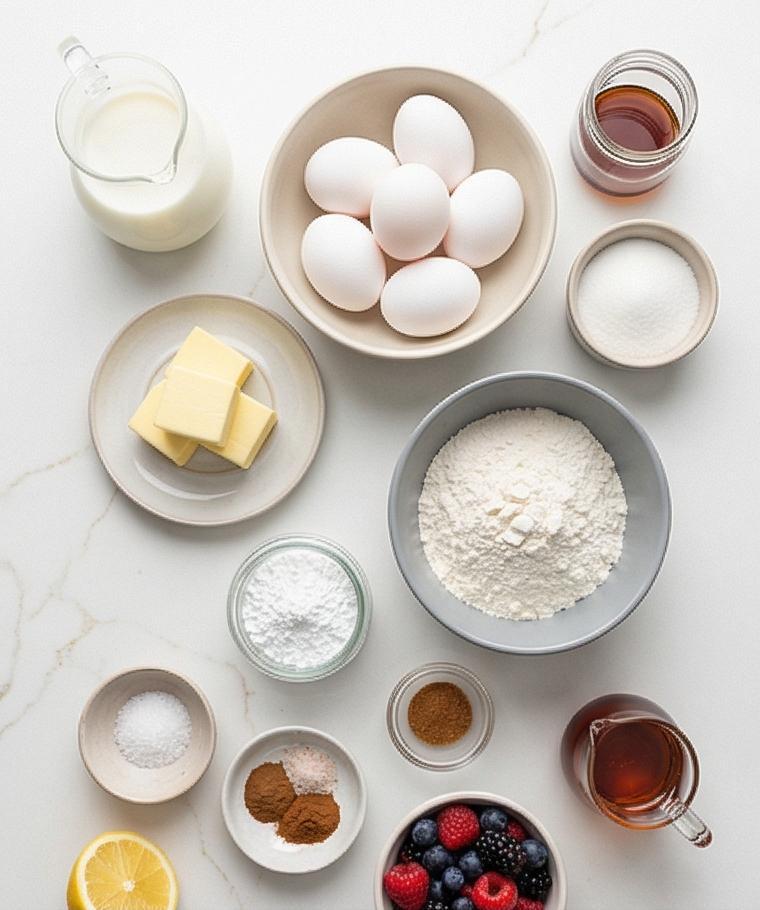
This German Pancakes Recipe relies on a small group of pantry staples that each play a clear role. Choose fresh eggs for structure and lift, and room-temperature eggs blend more smoothly with the milk. Use whole milk for richness; for a lighter texture try half-and-half or a full-fat plant milk as a substitute. A neutral all-purpose flour gives the pancake its tender crumb, while a touch of sugar and a pinch of salt balance flavor. Butter provides browning and flavor; use unsalted so you control salt.
- Unsalted Butter: Adds flavor and crisps the edges; substitute with ghee or a neutral oil if needed.
- Large Eggs: Give structure and dramatic puff; use room temperature eggs for best rise.
- Whole Milk: Brings richness; substitute with half-and-half, oat milk, or almond milk.
- Vanilla Extract: Adds warmth; omit or replace with almond extract sparingly.
- Lemon Juice: Optional brightness that lifts the batter.
- All-Purpose Flour: The body of the pancake; spoon and level for accuracy.
- Granulated Sugar: A small amount for balance; reduce for less sweetness.
- Fine Sea Salt: Enhances all flavors; do not skip.
- Nutmeg or Cinnamon: Optional warm spice for depth.
- Powdered Sugar, Berries, Lemon Wedges, Maple Syrup: Garnishes that finish the dish.
Essential Kitchen Tools
A few simple tools make this German Pancakes Recipe effortless. A sturdy 9×13 baking dish is essential to get that crisp, oven-puffed edge; glass or metal both work, though metal heats a touch faster. A reliable whisk helps you blend eggs and milk into a silky, aerated base; a blender works if you prefer ultra-smooth batter. Measuring cups and a kitchen scale keep ratios consistent. A fine-mesh sieve is perfect for dusting powdered sugar evenly. Have oven mitts on hand for handling the hot dish and a thin spatula or sharp knife to slice and serve. If you like a shortcut, a blender can whisk both wet and dry ingredients quickly, but whisking by hand gives you better control over texture.
- 9×13-inch baking dish: For dramatic puff and crisp edges; metal gives quicker browning.
- Whisk or blender: Whisk for texture control, blender for speed and smoothness.
- Mixing bowls: One large bowl for wet, one for dry.
- Measuring cups and spoons / kitchen scale: Ensures accurate ratios.
- Fine-mesh sieve: For even powdered sugar dusting.
- Oven mitts and a spatula/knife: For safe handling and serving.
Step-by-Step Preparation Guide
Step 1: Preheat and heat the butter
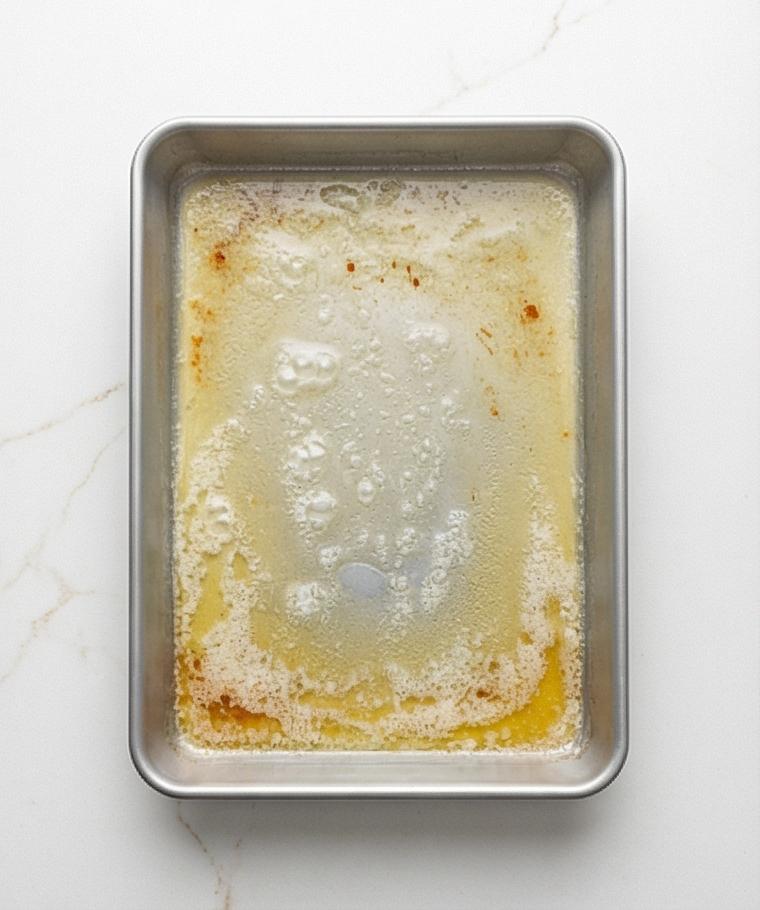
Preheat the oven to a very hot 425°F (220°C) and place a lightly greased 9×13-inch metal or glass baking dish with the measured 3 tablespoons (42 g) unsalted butter inside to melt and become bubbly. Watch for the butter to fully melt, bubble, and just begin to brown at the edges — you want glossy, shimmering melted butter that will coat the pan and flavor the edges of the pancake. Remove the hot dish carefully and set it on the marble-like surface while the oven stays at temperature so the dish remains very warm.
Step 2: Whisk the wet ingredients until silky and slightly frothy
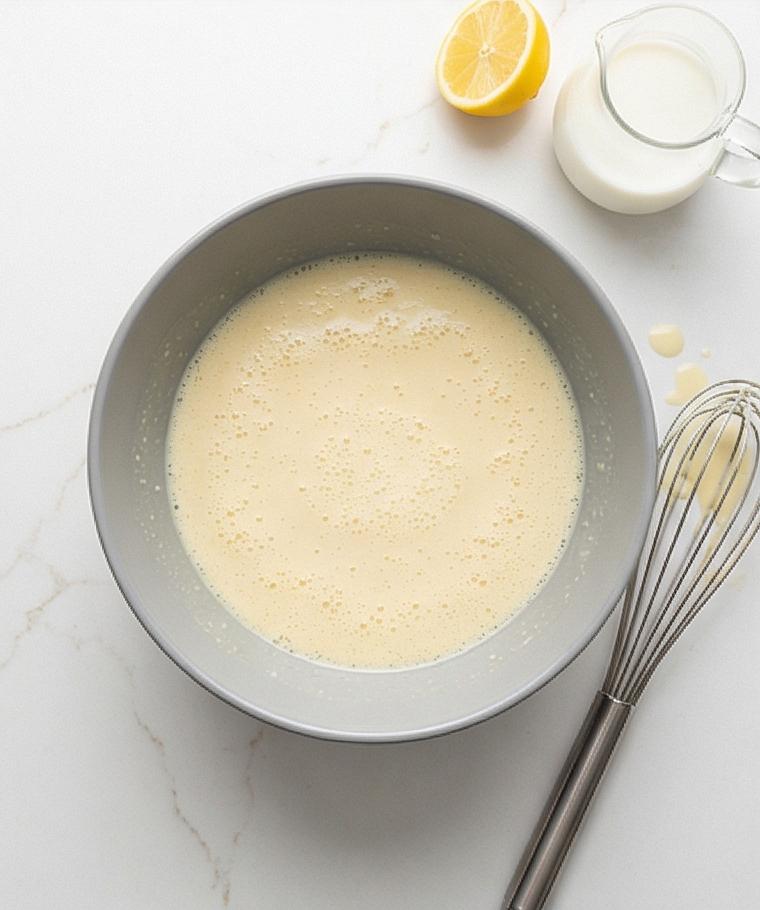
In a large, modern matte-grey mixing bowl, whisk together the 6 large room-temperature eggs, 1 cup (240 ml) whole milk and 1 teaspoon pure vanilla extract until the mixture is completely smooth and lightly aerated with tiny surface bubbles; if you like a hint of brightness, add 1 tablespoon freshly squeezed lemon juice and whisk to combine. The bowl should show a glossy, pourable liquid with a fine network of tiny bubbles and a satin sheen that promises lift in the oven. Keep the whisk resting in the bowl so it reads as the active tool.
Step 3: Combine dry ingredients and finish into a thin, lump-free batter
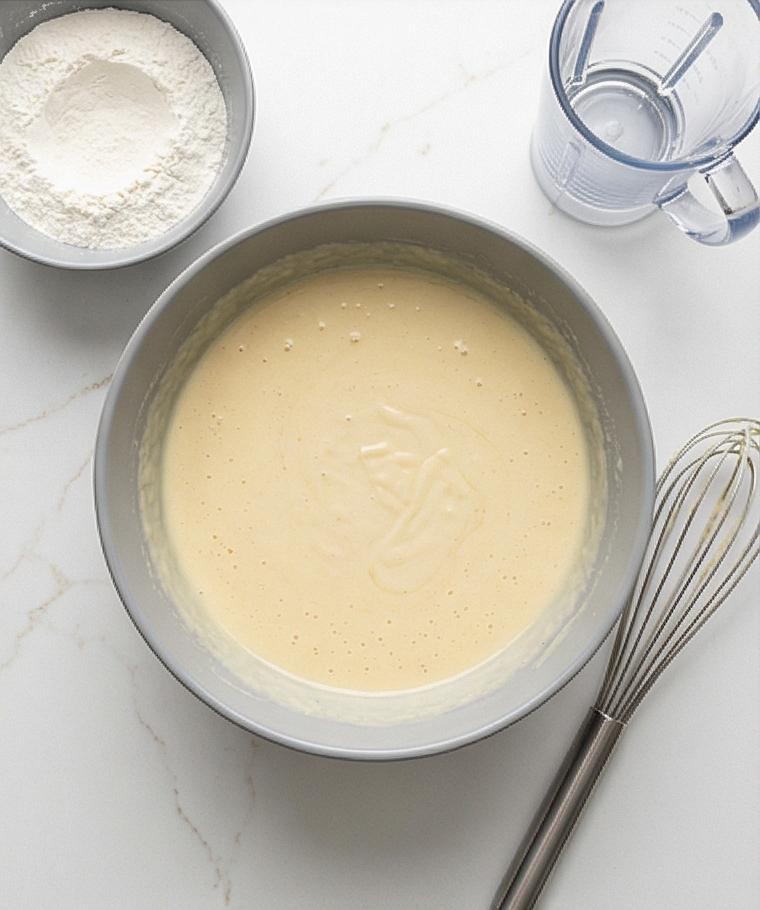
In a second small ceramic bowl, whisk the 1 cup (125 g) all-purpose flour with 2 tablespoons (25 g) granulated sugar, 1/2 teaspoon fine sea salt and the optional 1/4 teaspoon ground nutmeg or cinnamon until evenly mixed and powdery. Gradually incorporate those dry ingredients into the wet bowl, whisking constantly until the batter is very smooth, thin and pourable with no visible flour specks; the texture should be glossy and ribbon-like as it falls back into the bowl. Optionally, show the same batter after a 20–30 second blender blitz and a 5-minute rest so the surface is calm and any bubbles have settled. Keep the same matte-grey bowl and whisk as persistent props.
Step 4: Coat the hot dish, pour the batter, and bake until dramatically puffed
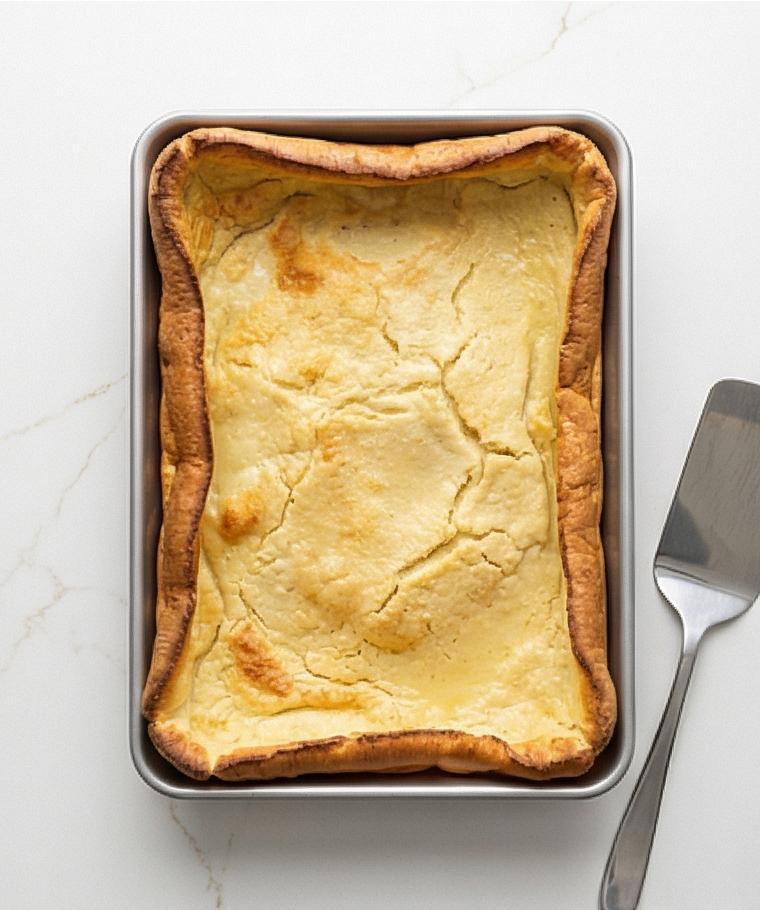
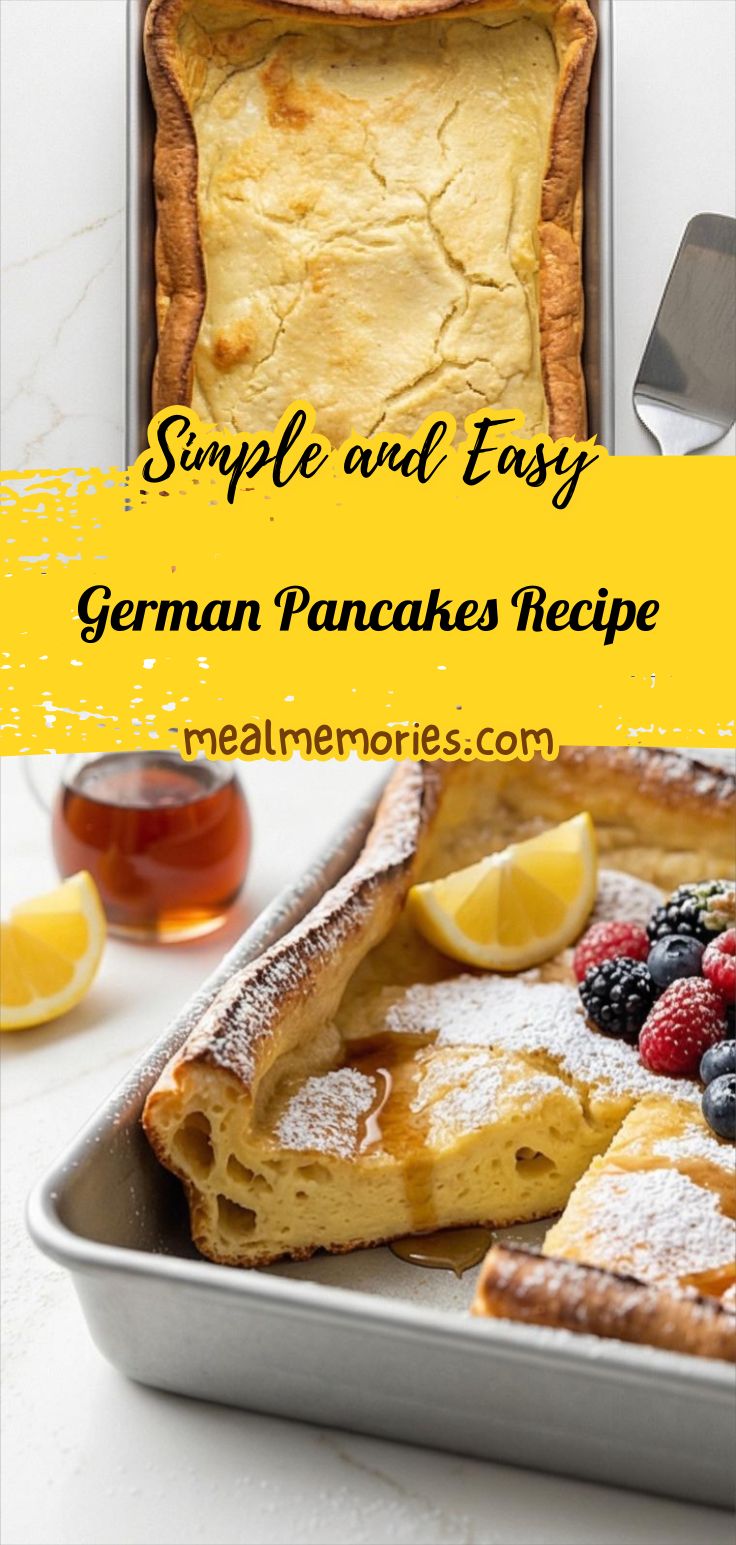
Tilt the hot buttered 9×13 dish so the melted butter coats the bottom and corners, then immediately transfer the thin batter into the warm dish in a steady stream, distributing evenly across the rectangular surface. Slide the filled dish back into the preheated oven and bake (the image will show the result after baking) until the pancake is dramatically puffed, edges deeply golden-brown and crisp, and the center is set and lightly golden—then remove and set the hot dish on the surface; the pancake will begin to deflate slightly within minutes, which is normal. Show the puffed rectangular pancake in the same baking dish, edges crisp and sculptural, while a spatula or slicing knife rests nearby as the active tool.
Step 5: Dust, slice, garnish and serve immediately
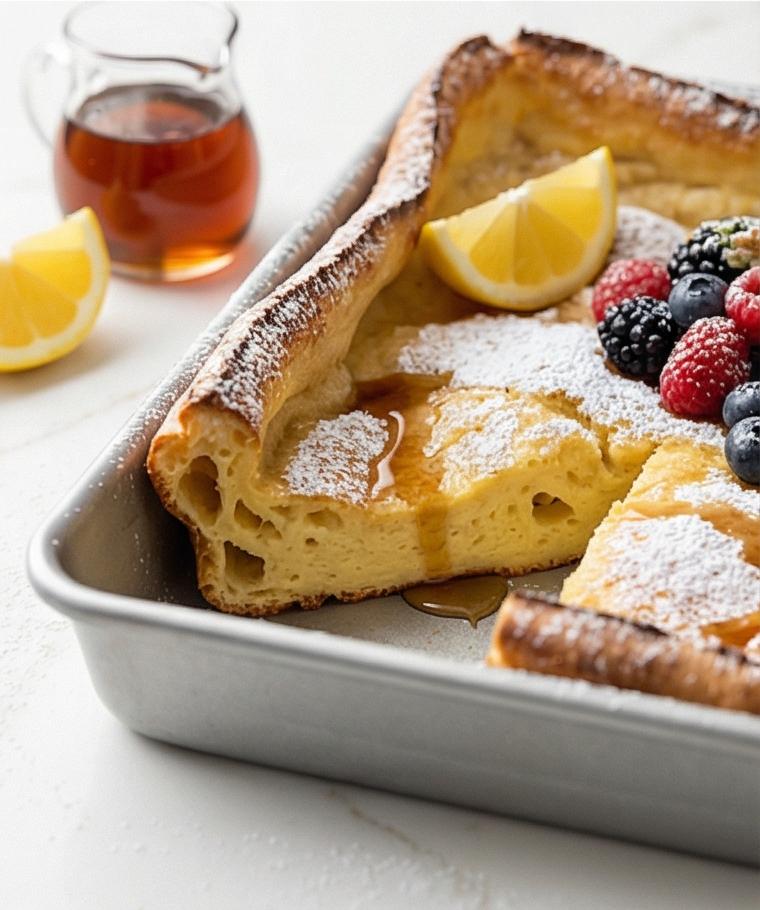
While the pancake is still hot, dust the top generously with powdered sugar through a fine sieve so the sugar clings to the warm peak and crevices; slice into 6–8 portions with a sharp knife or spatula. Arrange fresh berries and lemon wedges alongside, and offer warm maple syrup in a small jug for drizzling. Serve straight from the rectangular baking dish so the geometry and crisp edges remain obvious; the final close-up will show the crisp outer rim, tender custardy center, powdered-snow sugar, glossy berries, visible lemon wedge, and a thin ribbon of syrup catching the light.
Making It Your Own
I like to experiment with the German Pancakes Recipe depending on the season. In early summer I layer thinly sliced stone fruit over the batter before baking for a jammy, caramelized top. In fall, a pinch more cinnamon and a handful of chopped toasted pecans scattered on top before serving adds warmth and crunch.
For a dairy-free version I swap the whole milk for unsweetened oat milk and use a neutral oil in place of butter; the puff is slightly different but still impressive. You can also fold in a tablespoon of citrus zest into the batter for added brightness. Each small change teaches you how the core formula responds.
How to Serve
If I were hosting brunch, I would bake two pans staggered in the oven so one finishes just as the other is being dusted. Serve the German Pancakes Recipe straight from the baking dish on a buffet table with a small stack of plates, heat-retaining carafes of syrup, bowls of berries and lemon wedges so guests can customize.
For a larger crowd, cut into smaller portions and keep warm on a low oven tray covered loosely with foil. For a cozy two-person breakfast, halve the recipe and use a smaller dish; finish with a single lemon wedge and a dusting of powdered sugar for drama.
Storage and Reheating Tips
Store any leftovers in an airtight container in the refrigerator for up to 2 days. The pancake will deflate as it cools, but the flavor holds well.
For best results, reheat slices in a 350°F (175°C) oven on a baking sheet for 8 to 10 minutes so the edges regain a little crispness. A quick microwave reheat works in a pinch but makes the texture softer; try 20 to 30 seconds and finish in a toaster oven if you have one.
Common Mistakes and How to Avoid Them
Underbaking can leave the center too custardy; be patient and remove the pancake once the center is set and lightly golden. Overmixing the batter can create tunnels or a heavy finish, so whisk until smooth and stop once combined.
Using a cold dish or not preheating the pan can prevent the edges from crisping properly. Make sure the butter is melted and the dish is hot before pouring in the batter.
Final Thoughts
This German Pancakes Recipe is one of those dishes that feels like a small celebration every time you make it. Give it a try this weekend, play with a few of the variations, and enjoy the way simple ingredients turn into something unexpectedly special.
Frequently Asked Questions.
- Can I make the German Pancakes Recipe ahead of time? Yes, you can make it ahead and reheat, but it tastes best fresh from the oven when it is puffed and crisp.
- Can I use low-fat milk instead of whole milk? You can, but whole milk gives a richer, more tender texture; low-fat milk will still work with slightly different results.
- Will the pancake rise if I substitute gluten-free flour? Some gluten-free blends work, but the texture will vary; a blend with xanthan gum performs more like all-purpose flour.
- How do I prevent the pancake from sticking to the dish? Use enough butter to coat the dish thoroughly and make sure the dish is hot when you pour the batter.
- Can I add fruit directly into the batter before baking? Yes, thinly sliced fruit can be added, though very juicy fruit may release moisture and slightly change the bake time.
German Pancakes Recipe
Make German Pancakes Recipe: bake a dramatic, puffy oven pancake and serve with berries and warm syrup.
Ingredients
Instructions
Step 1: Preheat and heat the butter
Preheat the oven to a very hot 425°F (220°C) and place a lightly greased 9x13-inch metal or glass baking dish with the measured 3 tablespoons (42 g) unsalted butter inside to melt and become bubbly. Watch for the butter to fully melt, bubble, and just begin to brown at the edges — you want glossy, shimmering melted butter that will coat the pan and flavor the edges of the pancake. Remove the hot dish carefully and set it on the marble-like surface while the oven stays at temperature so the dish remains very warm.
Step 2: Whisk the wet ingredients until silky and slightly frothy
In a large, modern matte-grey mixing bowl, whisk together the 6 large room-temperature eggs, 1 cup (240 ml) whole milk and 1 teaspoon pure vanilla extract until the mixture is completely smooth and lightly aerated with tiny surface bubbles; if you like a hint of brightness, add 1 tablespoon freshly squeezed lemon juice and whisk to combine. The bowl should show a glossy, pourable liquid with a fine network of tiny bubbles and a satin sheen that promises lift in the oven. Keep the whisk resting in the bowl so it reads as the active tool.
Step 3: Combine dry ingredients and finish into a thin, lump-free batter
In a second small ceramic bowl, whisk the 1 cup (125 g) all-purpose flour with 2 tablespoons (25 g) granulated sugar, 1/2 teaspoon fine sea salt and the optional 1/4 teaspoon ground nutmeg or cinnamon until evenly mixed and powdery. Gradually incorporate those dry ingredients into the wet bowl, whisking constantly until the batter is very smooth, thin and pourable with no visible flour specks; the texture should be glossy and ribbon-like as it falls back into the bowl. Optionally, show the same batter after a 20–30 second blender blitz and a 5-minute rest so the surface is calm and any bubbles have settled. Keep the same matte-grey bowl and whisk as persistent props.
Step 4: Coat the hot dish, pour the batter, and bake until dramatically puffed
Tilt the hot buttered 9x13 dish so the melted butter coats the bottom and corners, then immediately transfer the thin batter into the warm dish in a steady stream, distributing evenly across the rectangular surface. Slide the filled dish back into the preheated oven and bake (the image will show the result after baking) until the pancake is dramatically puffed, edges deeply golden-brown and crisp, and the center is set and lightly golden—then remove and set the hot dish on the surface; the pancake will begin to deflate slightly within minutes, which is normal. Show the puffed rectangular pancake in the same baking dish, edges crisp and sculptural, while a spatula or slicing knife rests nearby as the active tool.
Step 5: Dust, slice, garnish and serve immediately
While the pancake is still hot, dust the top generously with powdered sugar through a fine sieve so the sugar clings to the warm peak and crevices; slice into 6–8 portions with a sharp knife or spatula. Arrange fresh berries and lemon wedges alongside, and offer warm maple syrup in a small jug for drizzling. Serve straight from the rectangular baking dish so the geometry and crisp edges remain obvious; the final close-up will show the crisp outer rim, tender custardy center, powdered-snow sugar, glossy berries, visible lemon wedge, and a thin ribbon of syrup catching the light.
Notes
- Use room-temperature eggs and milk for a smoother, better-rising batter.
- Spoon and level the flour to avoid a dense pancake.
- Reheat slices in a 350°F oven for 8 to 10 minutes to restore crisp edges.
- Substitute oat milk and neutral oil for a dairy-free version, noting slight texture changes.
- Dust with powdered sugar and add lemon wedges and berries just before serving for best presentation.