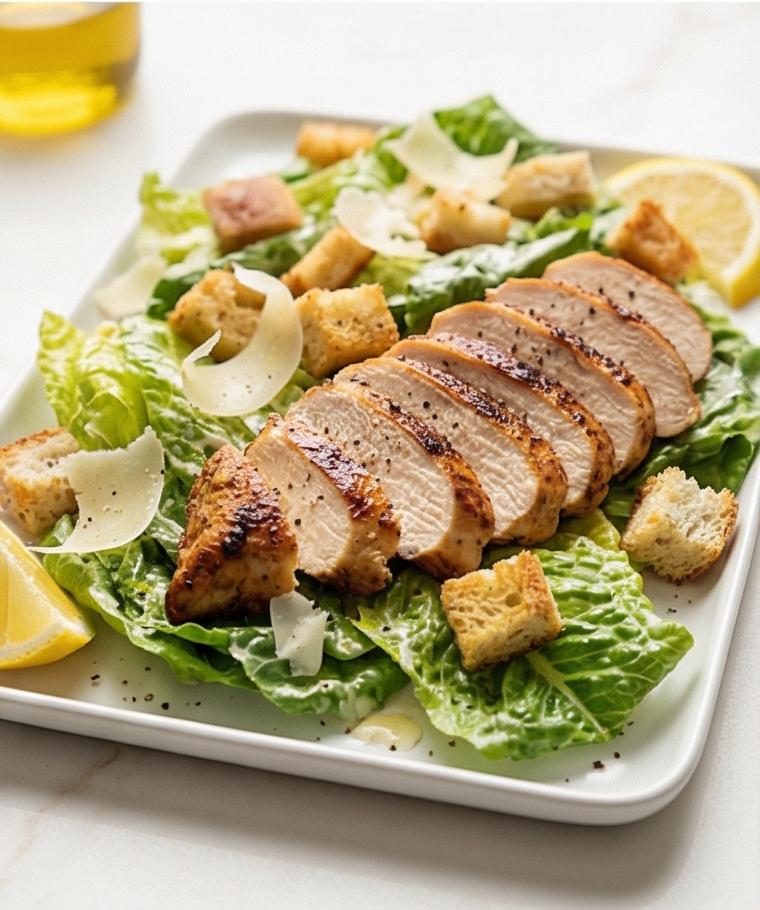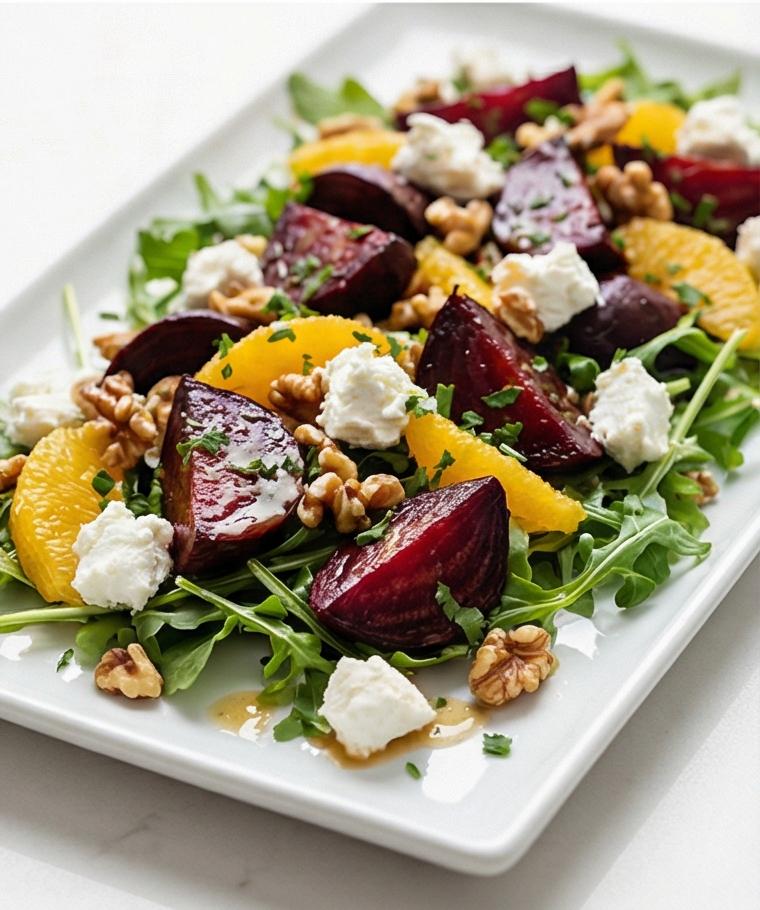
Garden Salad Recipe: a bright, reliable bowl I return to again and again. I remember the first time I tossed together this Garden Salad Recipe on a frantic weeknight; the colors alone felt like permission to slow down. It’s an easy, trustworthy mix of crisp greens, crunchy seeds, and a tangy red wine vinaigrette that somehow makes weekday dinners feel special. I keep coming back to this Garden Salad Recipe because it’s quick, flexible, and always welcome on the table.
How This Recipe Became My Weeknight Comfort
The first time I made this salad, it was raining and the fridge looked bleak, but the bowl that emerged felt like sunshine anyway. I can still hear the faint crackle of toasted seeds as I stirred, smell the bright vinegar and garlic coming together, and feel the relief of a meal that was both nourishing and uncomplicated. I served it with something simple from the stove, and my partner reached across the table for a second helping before the main course was even finished. It’s the kind of recipe that collects memories: an impromptu picnic in the park, a hurried dinner after a long shift, and lazy Sunday lunches where the croutons stay crunchy until the last forkful. Each time I make this Garden Salad Recipe I do a little dance around the kitchen, chopping and arranging like I’m composing a small edible painting.
Garden-Fresh Ingredients and Why They Matter
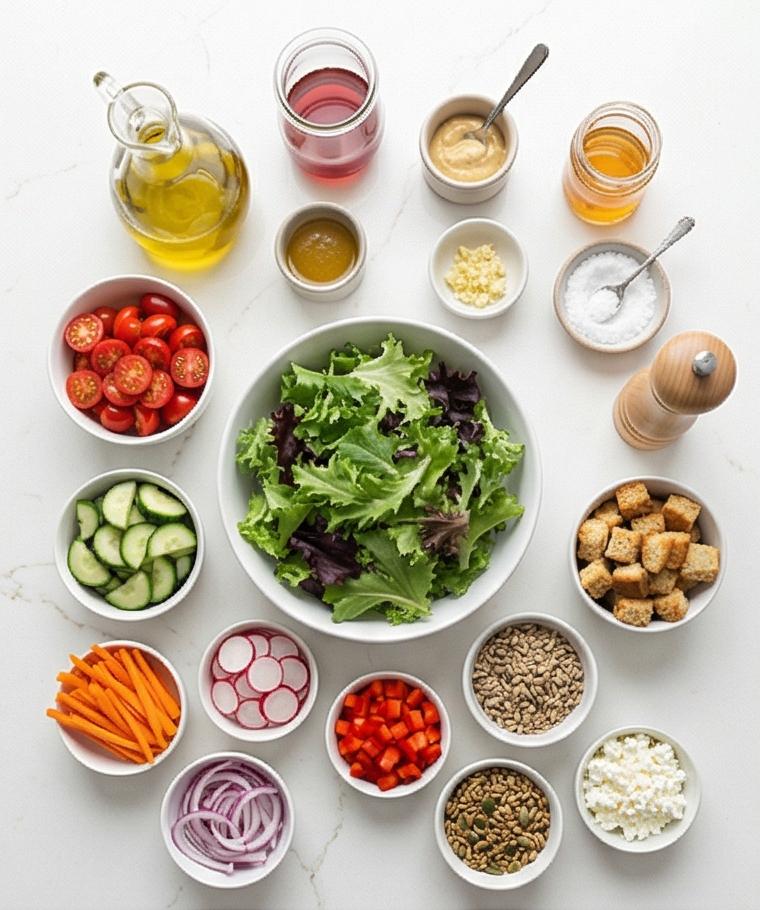
- Extra-virgin olive oil: The backbone of the vinaigrette; choose one with a fruity finish. Substitute avocado oil for a milder flavor.
- Red wine vinegar: Adds brightness and tang; sherry vinegar or lemon juice are good swaps.
- Dijon mustard: Helps emulsify the dressing and adds savory depth; use whole-grain mustard for texture.
- Mixed salad greens: The base for texture and volume; swap in arugula or kale for peppery bite.
- Cucumbers and tomatoes: Freshness and juiciness contrast the greens; pick firm cucumbers and ripe tomatoes.
- Seeds and croutons: Provide crunch; toasted nuts or pita chips work too.
Essential Kitchen Tools and Why They Help
A few simple tools make this salad effortless and help keep textures perfect. You don’t need fancy equipment; the right basics save time and prevent squashed greens.
- Sharp chef’s knife: Cuts clean edges to keep vegetables crisp; a serrated paring knife is fine for tomatoes.
- Large salad bowl: Gives room to toss without bruising leaves; use a wide mixing bowl if you don’t have a serving bowl.
- Small whisk or fork: For emulsifying the vinaigrette; a jar with a lid works great as an alternative.
- Baking tray: For toasting seeds evenly; a skillet is a quick stovetop substitute.
- Salad tongs or clean hands: Gentle lifting prevents tearing; two large spoons also do the trick.
Step-by-Step Preparation Guide.
Step 1: Toast and cool the seeds
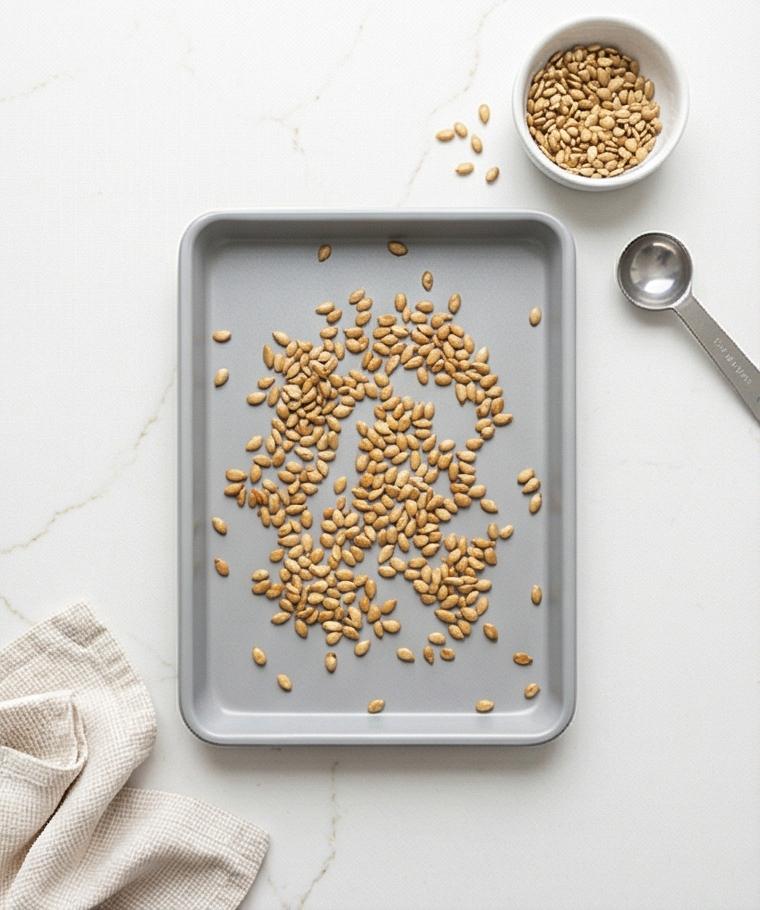
Preheat the oven just for a quick toasting and spread the raw sunflower or pumpkin seeds in a single even layer on a small rimmed tray; bake until they are lightly golden and fragrant, then remove and let them cool completely so they stay crisp. Cooling on the tray prevents steam and keeps the seeds dry and crunchy — this is the small, golden-texture milestone that adds immediate visual and tactile contrast to the finished salad.
Step 2: Emulsify the red wine vinaigrette
In a small mixing bowl combine red wine vinegar, Dijon mustard, honey (or maple syrup), finely minced garlic, a pinch of fine sea salt and a few grinds of black pepper. Whisk briskly until the mustard dissolves and the mixture looks uniform, then stream in the extra-virgin olive oil while whisking until the dressing becomes slightly thickened, glossy and emulsified with no visible oil pools. Taste and adjust seasoning; set the bright, glossy vinaigrette aside for dressing.
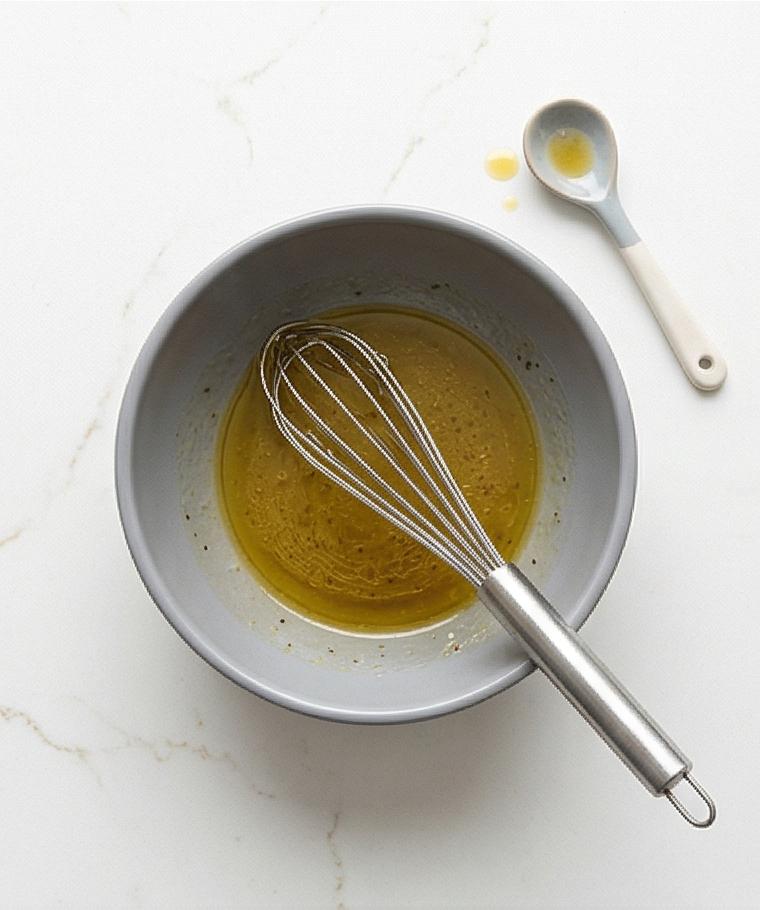
Step 3: Prepare and arrange the salad vegetables
Thoroughly wash and fully dry the mixed greens so they are crisp, then place them in a large serving bowl. Prepare the vegetables: halve and thinly slice cucumbers into half-moons, halve cherry tomatoes, shred or julienne carrots, thinly slice radishes, very thinly slice red onion, and dice bell pepper into small, even cubes. Arrange each prepared vegetable over the bed of greens in an even, colorful spread so each component remains visually distinct and texturally intact.
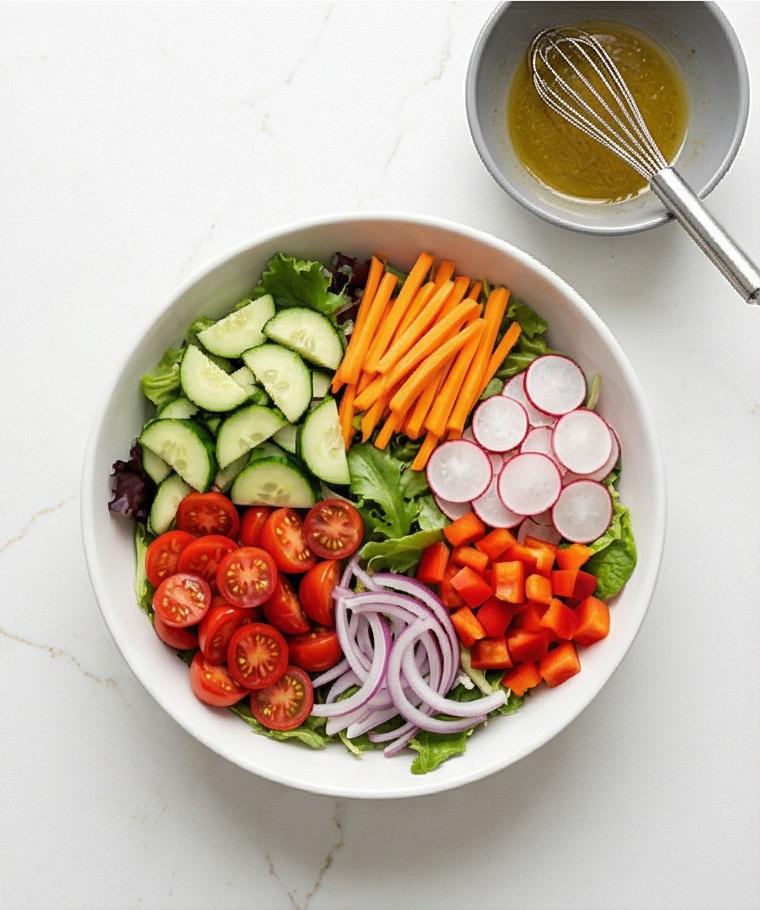
Step 4: Dress, toss gently, and fold in delicate elements
Give the vinaigrette a quick whisk to re-emulsify if needed, then drizzle about half of it around the inside rim of the salad bowl rather than in a single central pool. Using salad tongs or clean hands, lift from the bottom and turn the greens so the leaves become just lightly glossy — you want light sheen, not soggy. If using avocado and fresh herbs, add the diced avocado and chopped parsley or chives now and fold them through with a gentle lifting motion so cubes stay intact. Sprinkle most of the cooled toasted seeds and most of the crumbled cheese over the top and give the salad one last gentle toss to integrate the toppings without bruising the leaves.
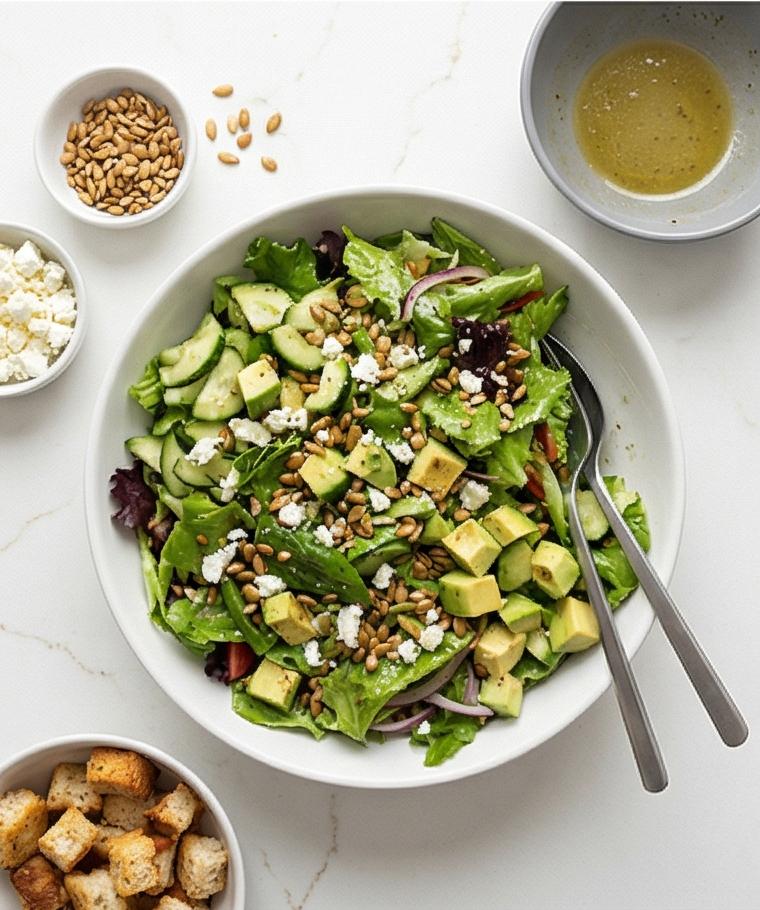
Step 5: Plate, finish and serve immediately
Transfer the tossed salad to a large serving platter or divide among individual plates, scattering the reserved toasted seeds and the reserved cheese fragments on top for a contrast of color and crunch. Add the croutons only at the very end so they remain crisp. Taste a leaf and adjust with a tiny pinch of salt or a few grinds of pepper, or a teaspoon or two more vinaigrette if desired. Serve immediately at cool room temperature or slightly chilled.
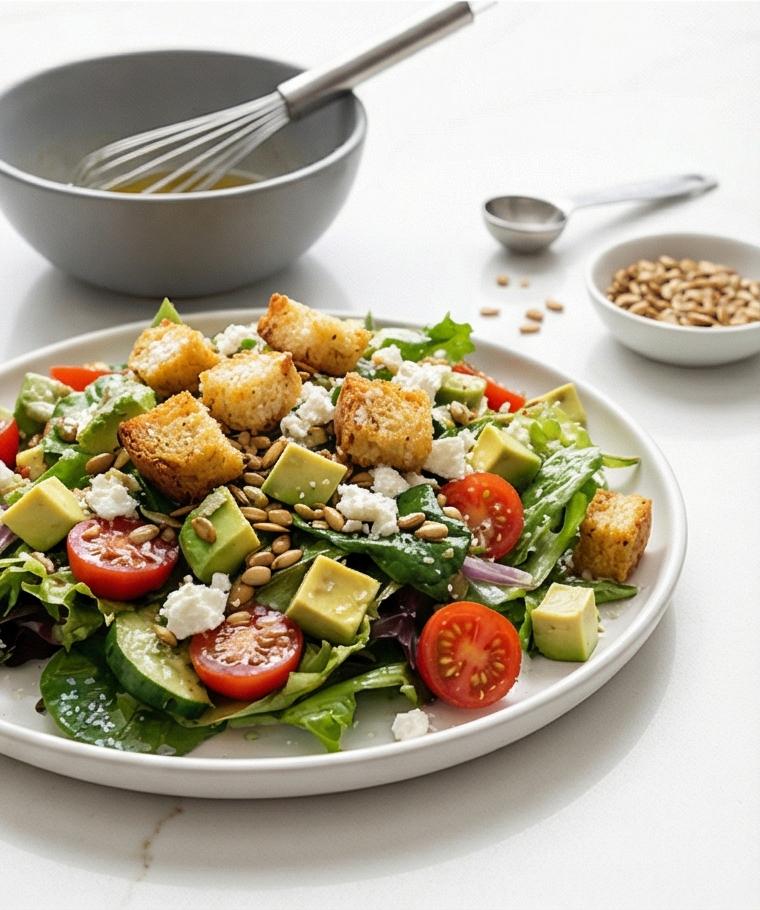
Making It Your Own
I like to treat this as a template rather than a fixed list of rules. Some nights I add sliced grilled chicken or chickpeas for protein. Other times I swap the feta for shaved Parmesan and toss in toasted almonds for a richer crunch.
For a vegan version I skip the cheese, use maple syrup in the vinaigrette, and add roasted sweet potato cubes to make it heartier without losing brightness.
In late summer I’ll pile on ripe heirloom tomatoes and basil; in colder months I might trade baby greens for thinly sliced cabbage and roasted beets for sturdiness.
How to Serve
If I’m hosting, I assemble the salad on a large platter so guests can help themselves and everything looks abundant. For a family dinner I toss it in a big bowl and serve family-style with extra dressing on the side.
To scale up, double the vegetables and dressing and keep crunchy elements like croutons separate until serving. For an elegant dinner, plate individual portions and add the avocado and cheese last so each plate looks pristine.
If serving outdoors, keep the bowl chilled on a bed of ice to stay crisp through warm afternoons.
Storage and Reheating Tips
This salad is best eaten fresh. Store leftover components separately: the vinaigrette in a sealed jar in the fridge and the greens with veggies in a shallow container lined with paper towel to absorb moisture. Toasted seeds and croutons should be stored in an airtight container at room temperature to preserve crunch.
If you must assemble ahead, keep the dressing off until the last moment and add avocado just before serving. There is no reheating step for this salad; if you want warm elements, serve grilled vegetables or protein on the side.
Common Mistakes and How to Avoid Them
Overdressing is the classic salad sin. Start with half the vinaigrette and add more after tasting so leaves stay crisp. Keep the dressing bright by tasting for salt and acid balance before pouring it on.
Another misstep is soggy greens. Dry leaves thoroughly after washing, and toast seeds and prepare croutons separately so they keep their crunch. Treat the avocado and herbs gently so they don’t turn to mush.
A Warm Invitation
Give this Garden Salad Recipe a try this week and let it become one of the easy wins in your kitchen. It’s forgiving, colorful, and quick, and it rewards small attention with big flavor. Put on some music, chop the vegetables, and enjoy the simple pleasure of a fresh, crunchy salad.
Frequently Asked Questions.
- What makes the vinaigrette emulsify well? Whisking mustard and slowly streaming in olive oil creates a stable emulsion; a jar and a vigorous shake work too.
- Can I make this salad ahead of time? You can prep vegetables and dressing ahead, but toss just before serving to keep everything crisp.
- What can I use instead of sunflower seeds? Pumpkin seeds, toasted almonds, or walnuts all add great crunch and flavor.
- Is there a vegan option? Yes, omit the cheese and use maple syrup in the dressing; add chickpeas for protein.
- How do I keep croutons from getting soggy? Add them at the very end, or serve them on the side so guests can choose when to add them.
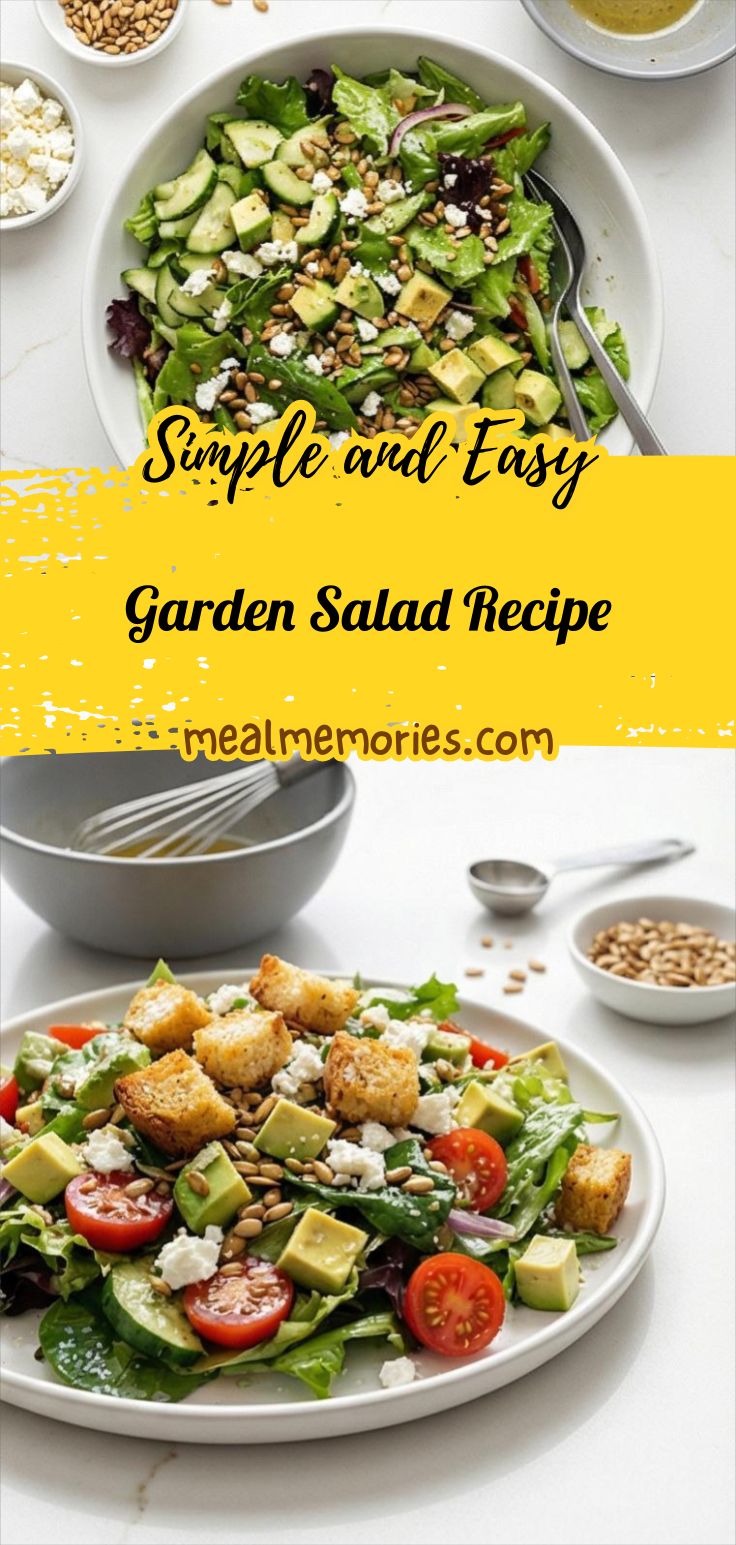
Garden Salad Recipe
Make the Garden Salad Recipe: toss crisp greens with a zesty red wine vinaigrette. Try the Garden Salad Recipe tonight.
Ingredients
Instructions
Step 1: Toast and cool the seeds
Preheat the oven just for a quick toasting and spread the raw sunflower or pumpkin seeds in a single even layer on a small rimmed tray; bake until they are lightly golden and fragrant, then remove and let them cool completely so they stay crisp. Cooling on the tray prevents steam and keeps the seeds dry and crunchy — this is the small, golden-texture milestone that adds immediate visual and tactile contrast to the finished salad.
Step 2: Emulsify the red wine vinaigrette
In a small mixing bowl combine red wine vinegar, Dijon mustard, honey (or maple syrup), finely minced garlic, a pinch of fine sea salt and a few grinds of black pepper. Whisk briskly until the mustard dissolves and the mixture looks uniform, then stream in the extra-virgin olive oil while whisking until the dressing becomes slightly thickened, glossy and emulsified with no visible oil pools. Taste and adjust seasoning; set the bright, glossy vinaigrette aside for dressing.
Step 3: Prepare and arrange the salad vegetables
Thoroughly wash and fully dry the mixed greens so they are crisp, then place them in a large serving bowl. Prepare the vegetables: halve and thinly slice cucumbers into half-moons, halve cherry tomatoes, shred or julienne carrots, thinly slice radishes, very thinly slice red onion, and dice bell pepper into small, even cubes. Arrange each prepared vegetable over the bed of greens in an even, colorful spread so each component remains visually distinct and texturally intact.
Step 4: Dress, toss gently, and fold in delicate elements
Give the vinaigrette a quick whisk to re-emulsify if needed, then drizzle about half of it around the inside rim of the salad bowl rather than in a single central pool. Using salad tongs or clean hands, lift from the bottom and turn the greens so the leaves become just lightly glossy — you want light sheen, not soggy. If using avocado and fresh herbs, add the diced avocado and chopped parsley or chives now and fold them through with a gentle lifting motion so cubes stay intact. Sprinkle most of the cooled toasted seeds and most of the crumbled cheese over the top and give the salad one last gentle toss to integrate the toppings without bruising the leaves.
Step 5: Plate, finish and serve immediately
Transfer the tossed salad to a large serving platter or divide among individual plates, scattering the reserved toasted seeds and the reserved cheese fragments on top for a contrast of color and crunch. Add the croutons only at the very end so they remain crisp. Taste a leaf and adjust with a tiny pinch of salt or a few grinds of pepper, or a teaspoon or two more vinaigrette if desired. Serve immediately at cool room temperature or slightly chilled.
Notes
- Toast seeds until just golden to avoid bitterness
- Dry greens thoroughly to prevent soggy salad
- Keep croutons separate until serving to preserve crunch
- Taste and adjust vinaigrette seasoning before dressing the salad