Cappuccino Recipe
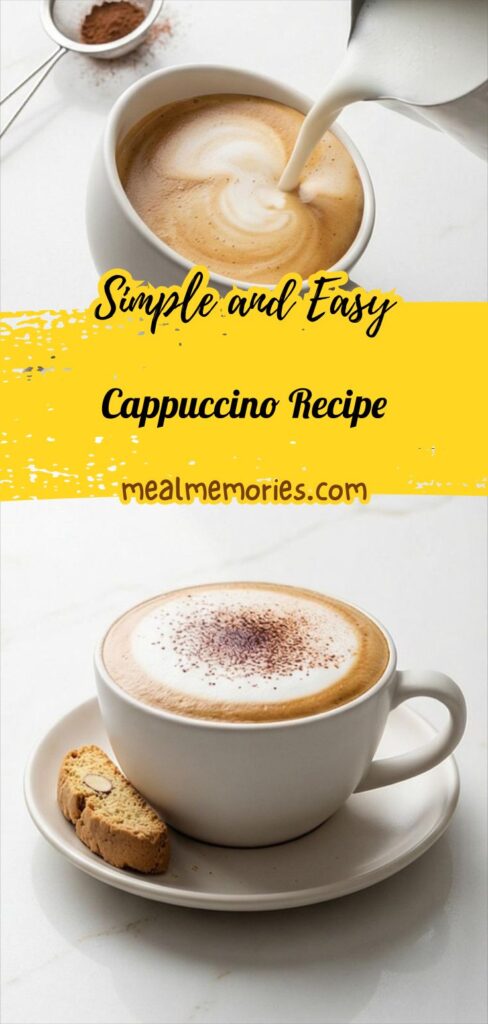
Make a classic Cappuccino Recipe: pull a double shot, steam milk to glossy microfoam, and pour for perfect balance.
Ingredients
- 6 fl oz (180 ml) filtered water, or enough to meet your espresso machine's minimum requirement
- 18-20 g freshly roasted espresso coffee beans, finely ground (for 1 double shot espresso, about 2 fl oz / 60 ml brewed)
- 4 fl oz (120 ml) cold whole milk, 36-40°F (2-4°C)
- 1-2 teaspoons granulated sugar, to taste (optional)
- 1/4 teaspoon unsweetened cocoa powder, for dusting on top (optional)
- 1 pinch ground cinnamon, for garnish (optional)
Instructions
Step 1: Warm and ready the equipment
Place your 5–6 fl oz (150–180 ml) cappuccino cup in a warm spot or fill it with very hot tap water to preheat, then empty and dry it just before use. Make sure the espresso machine, steam wand (or milk frother), grinder, tamper, and your small stainless-steel steaming pitcher are clean and resting at the ready; this quiet prep prevents temperature losses and keeps textures predictable.
Step 2: Water, grind, dose and tamp
Fill the espresso machine’s reservoir with filtered water and allow the machine to fully heat so the brew water reaches ~195–205°F (90–96°C). Weigh 18–20 g of freshly roasted espresso beans and grind them very fine — a shade finer than table salt — until the grounds clump lightly between your fingers. Place the portafilter on a scale (if available), dose the ground coffee, level, and tamp firmly and evenly until a flat, compact puck forms; wipe the rim clean.
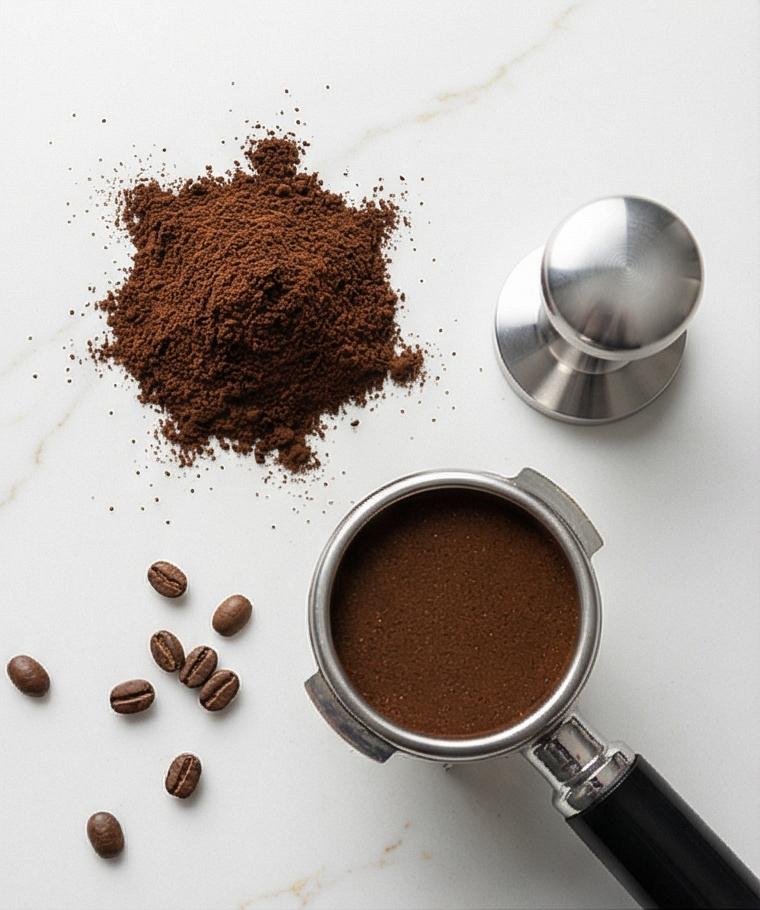
Step 3: Extract the espresso
Lock the portafilter into the group head and position your warmed cappuccino cup beneath the spouts. Start the extraction and allow a steady, even stream to fall for ~25–30 seconds, targeting roughly 2 fl oz (60 ml) of liquid with a rich, hazelnut-colored crema. When finished, move the cup (or a small shot glass) immediately to the work surface so the crema stays intact.
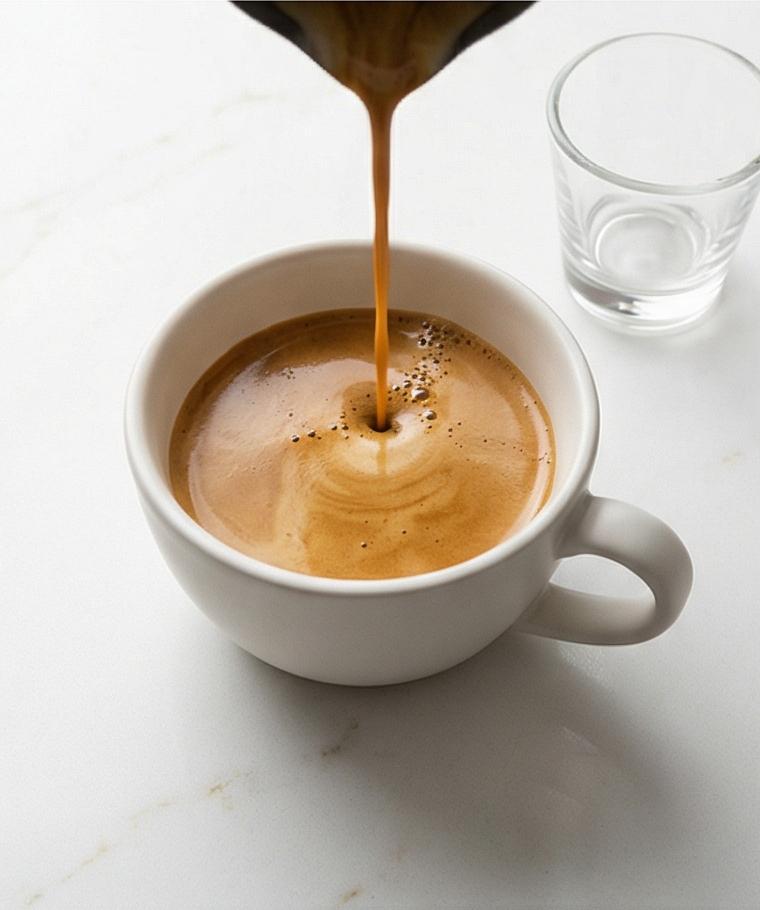
Step 4: Prepare the milk and purge the wand
Pour 4 fl oz (120 ml) cold whole milk (36–40°F / 2–4°C) into your small stainless-steel steaming pitcher, leaving room for the milk to expand. Purge the steam wand for 2–3 seconds to clear condensate, then wipe it dry so the steam will be clean and energetic when you begin texturing.
Step 5: Steam and texture into glossy microfoam
Submerge the wand tip just below the surface, slightly off-center, and introduce air gently for the first 5–10 seconds to create a 30–50% volume increase while listening for a soft hissing sound. Then lower the aeration, angle the pitcher, and create a steady whirlpool so the foam integrates into the milk. Continue steaming until the pitcher is hot to the touch and milk reaches 140–150°F (60–65°C), producing a smooth, glossy microfoam with very fine bubbles. Immediately wipe and purge the wand; tap the pitcher 2–3 times and swirl until the milk looks like wet paint — thick, shiny, and pourable.
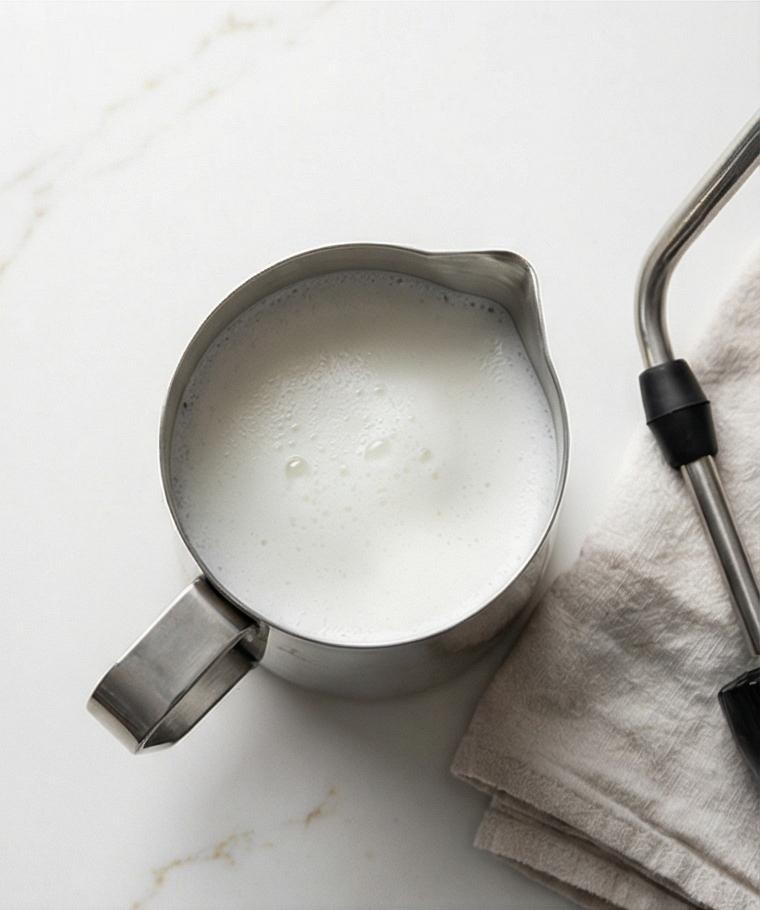
Step 6: Alternate milk method (no steam wand)
If you don’t have a steam wand, gently heat the 4 fl oz milk in a small saucepan over low heat to 140–150°F (60–65°C) without boiling, then froth with a handheld frother or vigorous whisking for 30–60 seconds until volume rises ~30–50% and the foam is fine and creamy. Transfer the frothed milk to your warmed pitcher, tap to settle large bubbles, and swirl to achieve a seamless wet-paint texture.
Step 7: Pour the cappuccino and build the layers
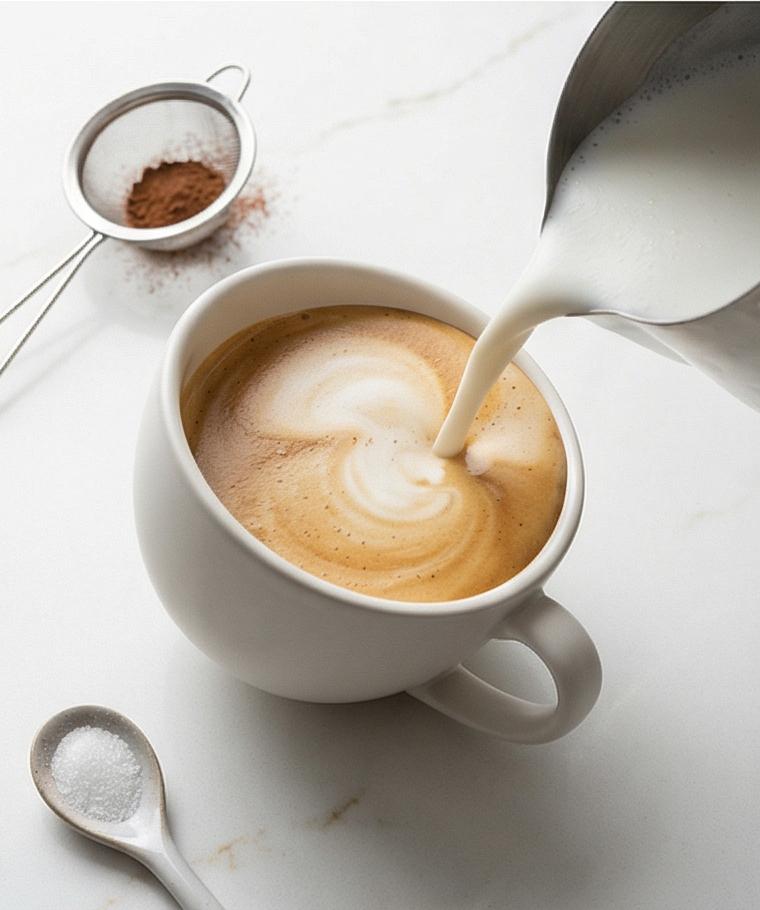
Hold the cup slightly tilted and begin pouring the steamed milk slowly into the center from 2–3 inches (5–8 cm) above the espresso, then bring the pitcher closer as the cup fills so foam can flow out and form an even cap. Aim for roughly equal thirds: espresso, steamed milk, and a dense foam crown; the finished drink should be about 5–6 fl oz (150–180 ml) in total.
Step 8: Sweeten, garnish, and serve
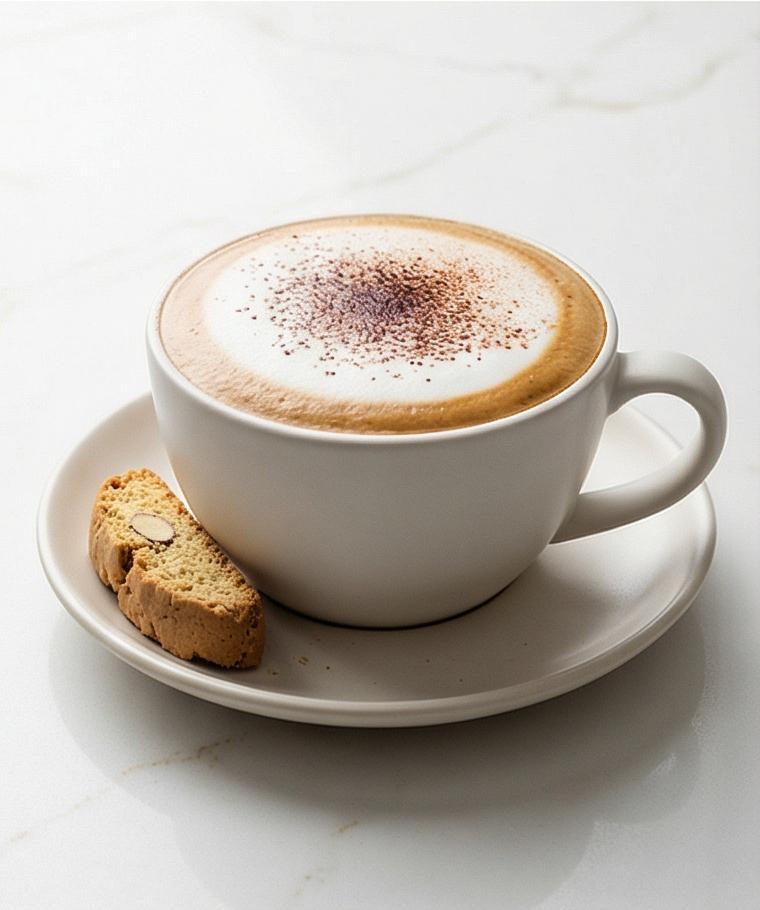
Taste a small spoonful and, if desired, dissolve 1–2 teaspoons granulated sugar while hot. Lightly dust the foam with 1/4 teaspoon unsweetened cocoa powder or a pinch of ground cinnamon through a fine sieve for an even, delicate layer. Serve immediately while foam is thick and warm, ideally with a single small biscotti or square of dark chocolate alongside.
Notes
- Use fresh, whole beans and grind just before brewing for best flavor.
- Warm the cup to preserve temperature and crema.
- Aim for milk temperature of 140-150°F (60-65°C) to achieve silky microfoam.
- If you lack a steam wand, heat milk gently and use a handheld frother or whisk.
- Clean and purge the steam wand before and after steaming to avoid off-flavors.