Cheesecake Recipe
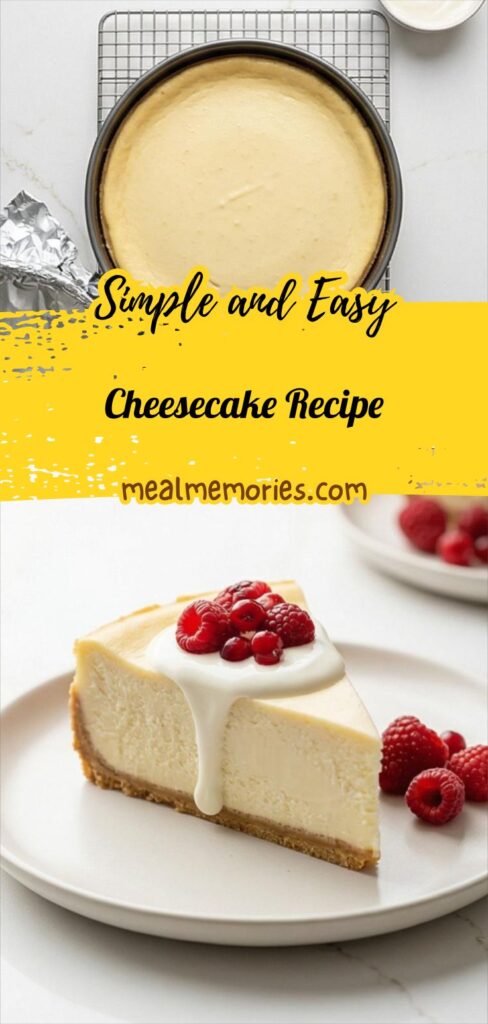
Cheesecake Recipe: Make a dense, creamy cheesecake with a buttery graham crust and silky sour cream topping.
Ingredients
- 1 tablespoon unsalted butter, at room temperature, for greasing the pan
- 1 3/4 cups (175 g) graham cracker crumbs, finely crushed
- 3 tablespoons (38 g) granulated sugar, for the crust
- 1/4 teaspoon fine sea salt, for the crust
- 5 tablespoons (70 g) unsalted butter, melted and slightly cooled, for the crust
- 4 packages (8 oz/226 g each) full-fat cream cheese, at room temperature (total about 32 oz/904 g)
- 1 1/4 cups (250 g) granulated sugar, for the filling
- 1/4 teaspoon fine sea salt, for the filling
- 3/4 cup (180 g) full-fat sour cream, at room temperature, for the filling
- 1/2 cup (120 ml) heavy cream, at room temperature
- 2 teaspoons pure vanilla extract, for the filling
- 1 teaspoon finely grated lemon zest (from about 1/2 lemon), optional but recommended
- 1 tablespoon freshly squeezed lemon juice
- 4 large eggs (about 200 g without shells), at room temperature
- 1 large egg yolk, at room temperature
- 1 cup (240 g) full-fat sour cream, at room temperature, for the topping (optional but classic)
- 2 tablespoons (25 g) granulated sugar, for the topping
- 1/2 teaspoon pure vanilla extract, for the topping
- 2 cups (about 300 g) fresh berries (such as strawberries, raspberries, blueberries, or a mix), rinsed and patted dry, for serving (optional)
- Hot tap water or recently boiled water, about 8 cups (2 liters), for the water bath
Instructions
Step 1: Prepare and protect the pan
Lightly grease the base and about an inch up the sides of a 9-inch springform pan with room-temperature unsalted butter, and, if you like, line the bottom with a round of parchment for easy removal. Center the pan on a large square of heavy-duty aluminum foil and bring the foil up the sides, pressing and folding to create a watertight pouch; repeat with a second sheet if the foil feels thin. Set the wrapped pan aside on the cool quartz surface while you preheat the oven and assemble the crust and fillings.
Step 2: Make, press, and prebake the graham crust
Combine the finely crushed graham crumbs, granulated sugar, and a pinch of fine sea salt in a medium bowl; pour in the melted butter and stir until the mixture clumps and resembles damp, even sand. Press the crumbs firmly and evenly into the bottom (and slightly up the sides) of the prepared springform using the bottom of a measuring cup or your fingertips so the base is compact and smooth. Bake briefly until the crust is fragrant and just turning deeper golden, then cool on a wire rack while you turn to the filling.
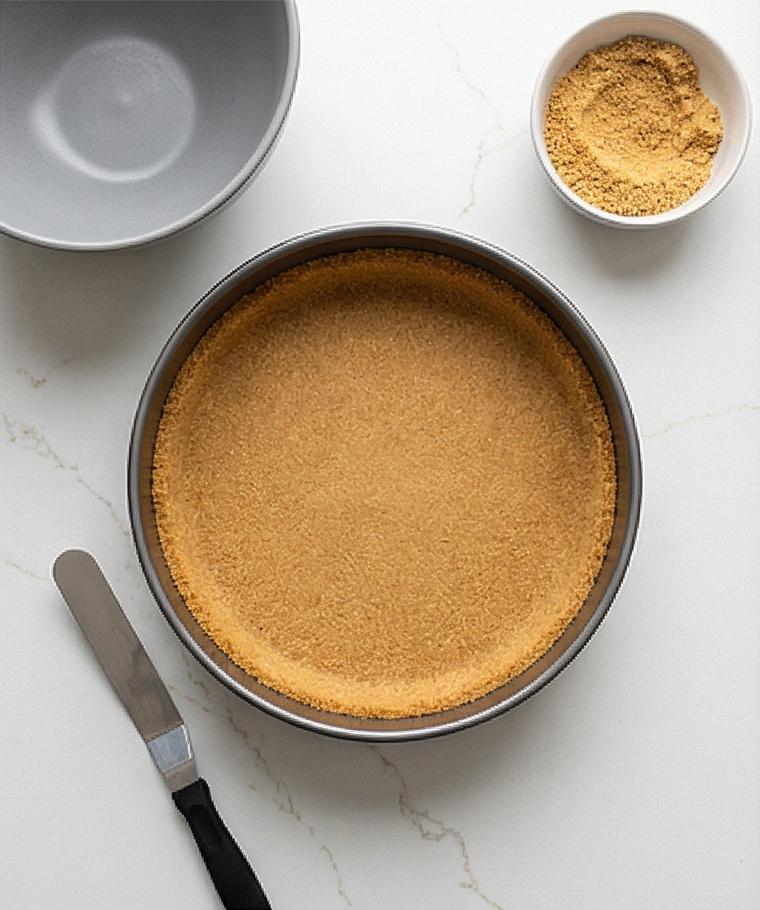
Step 3: Soften and sweeten the cream cheese until velvet-smooth
Place all the room-temperature cream cheese into a large matte grey mixing bowl and beat on low until lusciously smooth, scraping the sides once or twice to remove any lumps. Gradually add the granulated sugar and a pinch of salt while keeping the mixer on low, working the mixture until it is thick, glossy, and entirely free of graininess—creamy, dense, and homogeneous in texture, with no airy peaks.
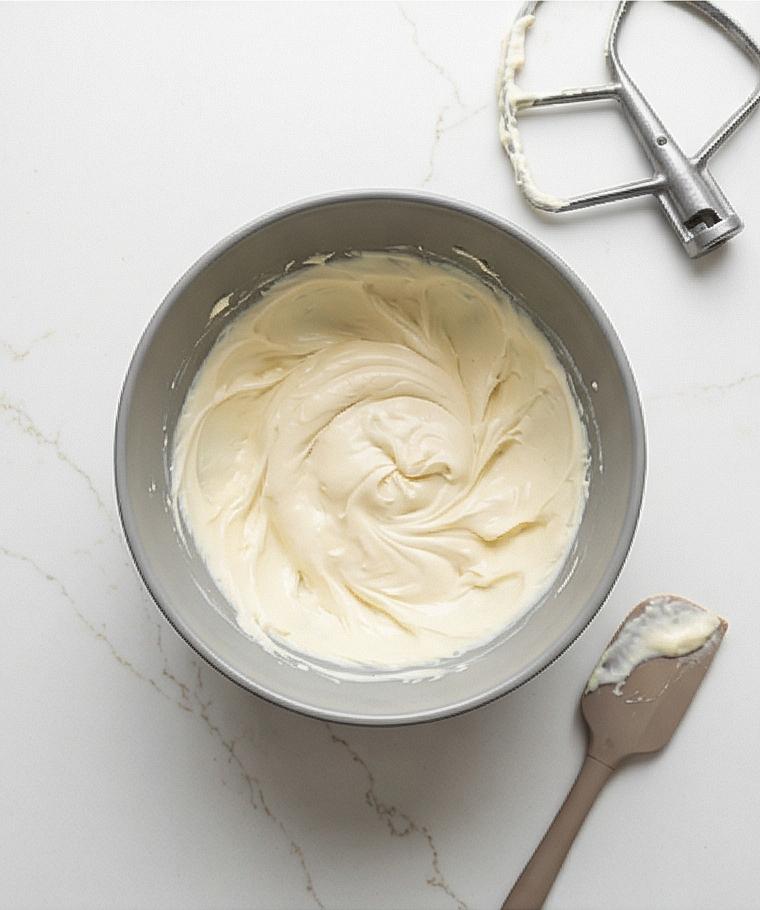
Step 4: Build the batter—dairy, flavor, and eggs folded with care
Fold in the sour cream, heavy cream, vanilla, lemon zest and lemon juice until the mixture turns silky and satin-smooth, then very gently stream in the lightly beaten eggs and yolk on the lowest speed, mixing only until just combined. The finished batter should be glossy, slightly fluid but dense, and ribbon-smooth—no lumps, no over-aeration—ready to be poured. Transfer the batter into the cooled crust set inside its foil-wrapped springform; position the pan in a deep roasting pan and prepare for the water bath so the fragile custard will bake evenly.
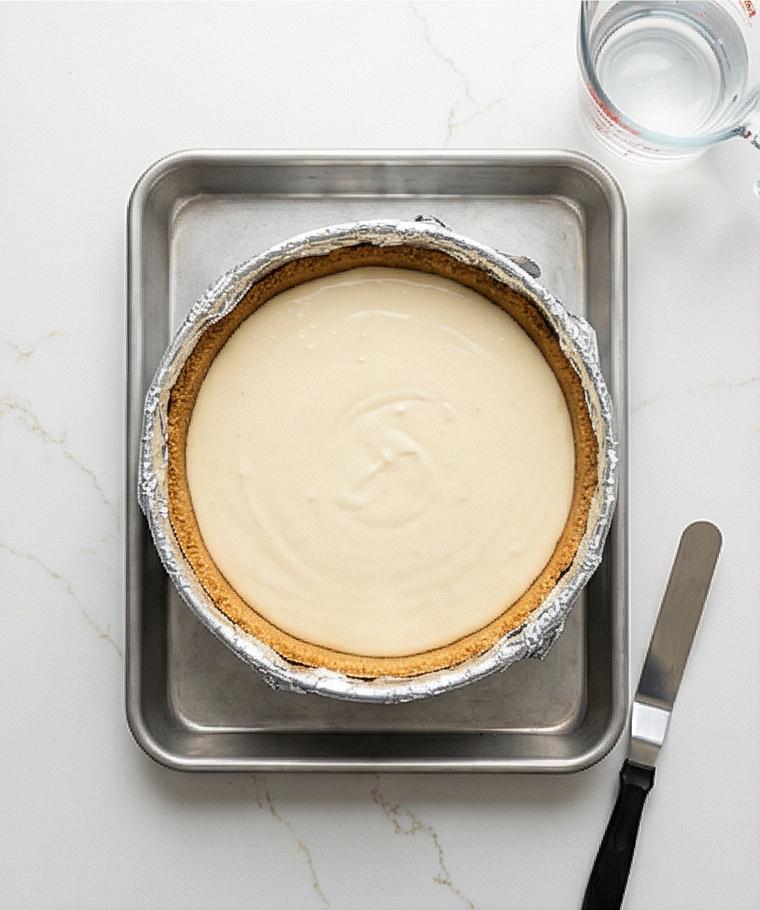
Step 5: Water-bath bake and gentle cooling to set the custard
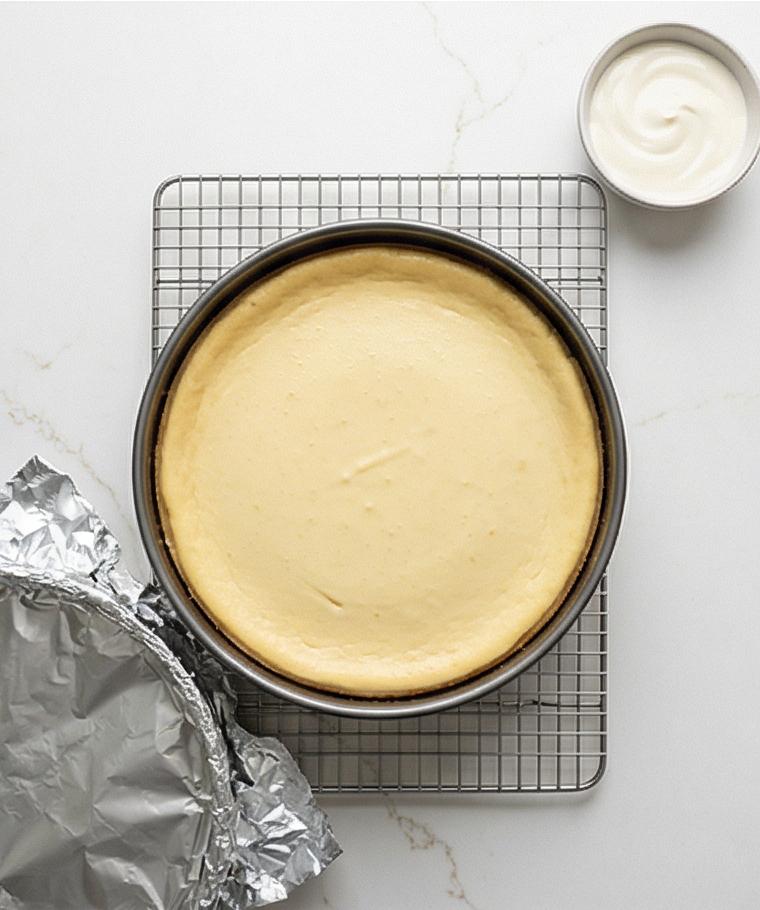
With the filled springform sitting in the roasting pan, carefully add hot water around the wrapped pan until it reaches roughly halfway up the sides and slide the whole assembly into the preheated oven. Bake until the edges are set and the center retains a gentle, set-but-jiggly wobble; then turn the oven off, crack the door, and let the cheesecake cool slowly in the water bath to avoid cracks. Lift the pan out, peel away the foil, loosen the inner rim with a thin knife, and let the cheesecake cool completely to room temperature on a wire rack.
Step 6: Finish with a silky sour cream topping and chill to firm
Whisk together the sour cream, a touch of sugar, and vanilla until glossy and spreadable. When the cheesecake has cooled to room temperature, smooth the topping over the surface with an offset spatula, leaving a small neat border if you prefer. Cover loosely (without touching the surface) and refrigerate for at least four hours, preferably overnight, so the texture firms into a dense, creamy sliceable custard.
Step 7: Unmold, garnish, and serve the chilled cheesecake
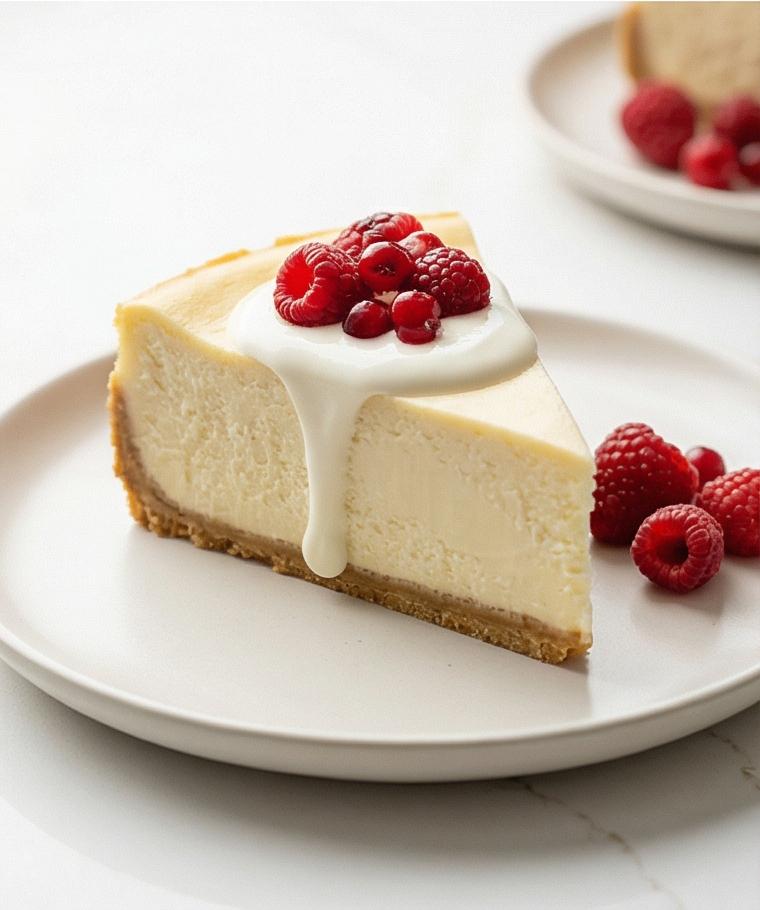
Run a thin, sharp knife around the inside of the springform, release the ring, and, if used, remove the parchment before transferring to a serving plate. Arrange fresh, dry berries on top or to the side just before serving, and slice with a long, hot-damp-wiped knife for clean edges; each slice should show a uniform, dense interior with a satiny top and crisp golden crust at the base. Store leftovers well wrapped in the refrigerator for up to five days or freeze individual slices tightly for longer storage.
Notes
- Use room-temperature cream cheese and eggs for a smooth, lump-free batter.
- Wrap the springform pan well in foil to prevent water from seeping into the crust during the water bath.
- Chill the cheesecake at least 4 hours, preferably overnight, for best texture and easier slicing.
- Warm and dry your knife between slices for clean edges and neat presentation.